
Beautiful Plants For Your Interior
Beautiful Plants For Your Interior
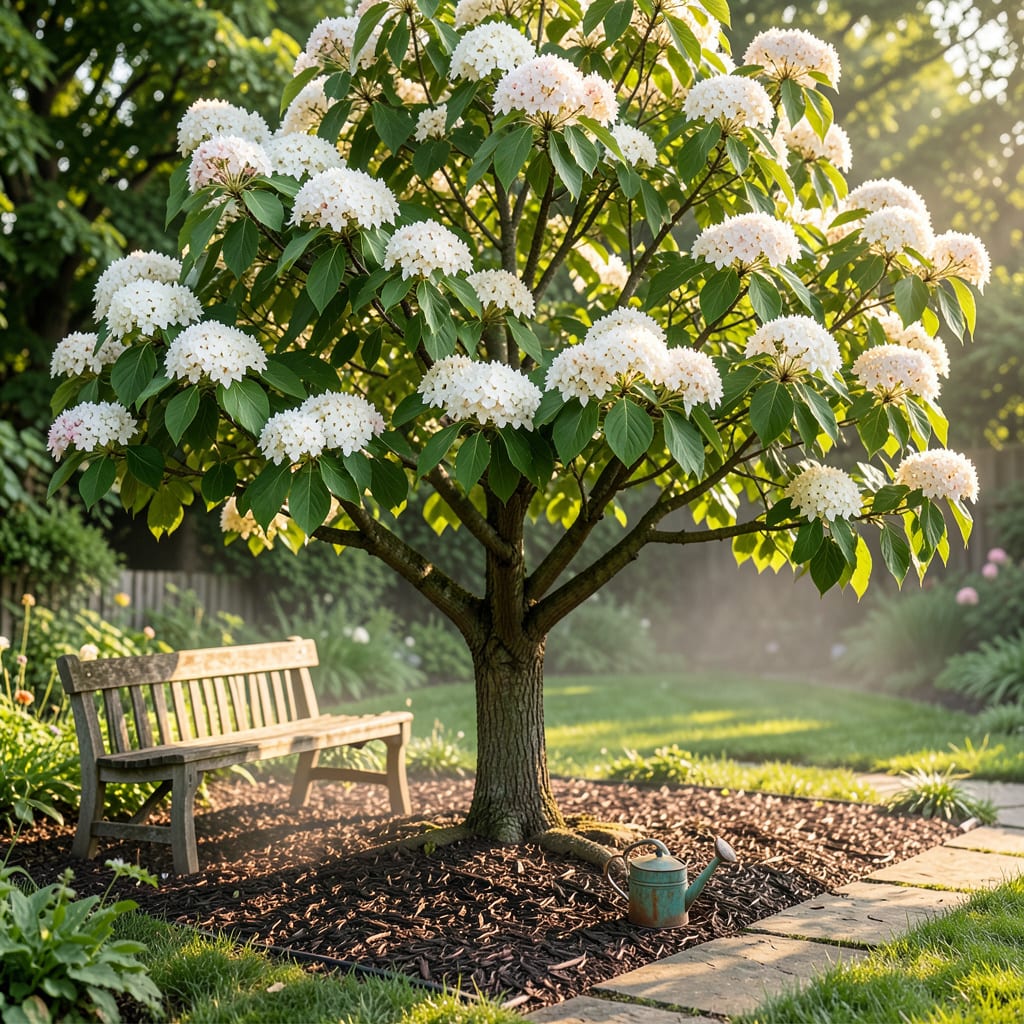
There’s something magical about white dogwoods in spring. I planted mine five years ago, and watching those first blooms open felt like the tree was thanking me for the right start.
They thrive with morning sun and afternoon shade, consistent moisture without soggy roots, and a well-draining soil mix. The payoff is year-round beauty—from spring flowers to fall berries and winter structure.
📚 In This Guide
This approach ensures your tree thrives in every season with minimal effort.
Choose a spot with partial sun (morning sun and afternoon shade) to protect the tree from intense heat. White dogwoods prefer well-draining, acidic soil with a pH between 5.5 and 6.5. If your soil is alkaline, amend it with sulfur or peat moss before planting.
Dig a hole twice as wide as the root ball but no deeper. Place the tree so the root flare (where roots meet the trunk) sits slightly above ground level. Backfill with native soil, tampering gently to remove air pockets. Water deeply to settle the soil around the roots.
Keep the soil consistently moist but not soggy, especially during the first 2 years after planting. Water deeply at the base of the tree 1-2 times per week, providing about 1-1.5 gallons per watering for young trees. In extreme heat or drought, increase frequency to every 2-3 days.
Check soil moisture by inserting your finger 2-3 inches into the ground. If it feels dry at that depth, it’s time to water. A 2-3 inch layer of organic mulch (like wood chips) helps retain moisture and regulate soil temperature. Keep mulch 3-4 inches away from the trunk to prevent rot.
Apply a balanced, slow-release fertilizer (10-10-10 or 12-4-8) in early spring, just as new growth begins. Spread 1 pound of fertilizer per inch of trunk diameter evenly around the drip line (the outer edge of the tree’s canopy). Avoid fertilizing in late summer or fall, as it can stimulate new growth that won’t harden off before winter.
Water thoroughly after fertilizing to help the nutrients penetrate the soil. If your tree’s leaves appear pale or yellow, it may need an additional dose of fertilizer mid-season. Always follow package instructions for application rates and avoid over-fertilizing, which can burn roots.
Prune your white dogwood in late winter or early spring, just before new growth starts. Remove any dead, diseased, or crossing branches first. Thin out crowded areas to improve air circulation and allow sunlight to reach the inner branches. Make clean cuts at a 45-degree angle just outside the branch collar to promote faster healing.
Avoid heavy pruning, as white dogwoods bloom on old wood. If you need to shape the tree, do so gradually over 2-3 years. After pruning, inspect the tree for signs of pests or disease, such as spotted leaves or chewed foliage, and treat as needed.
White dogwoods are susceptible to pests like dogwood borers and scale insects, as well as diseases such as powdery mildew and anthracnose. Inspect the tree regularly for signs of trouble, such as wilting leaves, discolored spots, or visible pests. Treat infestations with horticultural oil or insecticidal soap, following label instructions carefully.
Prevent disease by ensuring good air circulation through proper pruning and spacing. Water at the base of the tree to keep foliage dry, as wet leaves can encourage fungal growth. If you notice severe damage, consult a local arborist for targeted treatment options.
Small adjustments in your care routine can make a world of difference for your tree’s health.
Soil Preparation: The pH range of 5.5 to 6.5 mentioned in Step 1 isn’t just a suggestion—it’s critical for nutrient uptake. I test my soil every spring and amend with sulfur or peat moss as needed. Without this balance, even perfect watering won’t save your tree from nutrient deficiencies.
Watering Wisdom: For Step 2, that 2-3 inch moisture check isn’t arbitrary. I’ve found that morning watering at the base (never on leaves) prevents both root rot and fungal issues. During droughts, I stick to the every 2-3 days schedule but reduce to 1 gallon per watering to avoid waterlogging.
Pruning Precision: In Step 4, that 45-degree angle cut just outside the branch collar isn’t just for looks—it prevents moisture from pooling against the trunk. I use bypass pruners for clean cuts and always sterilize between branches to prevent disease spread.
Fertilizer Timing: The early spring application in Step 3 is non-negotiable. I once fertilized in late summer and lost half my new growth to frost. Stick to the 1 pound per inch of trunk diameter ratio—more isn’t better and can actually burn the roots.
Water young trees deeply 1-2 times per week, especially in dry spells. Mature trees need watering every 2-3 weeks unless rainfall is sufficient. Always check soil moisture 2 inches down—if dry, it’s time to water!
Prune in late fall or early winter while the tree is dormant. Avoid pruning in spring or summer, as it can remove flower buds or stress the tree during active growth.
Brown leaves often signal underwatering, overwatering, or fungal diseases like anthracnose. Check soil moisture and inspect leaves for spots or lesions. Adjust care or treat with fungicide if needed.
Yes, but choose a dwarf variety and a large container (at least 20 inches deep). Ensure good drainage and consistent moisture. Repot every 2-3 years to prevent root bounding.
Use a balanced, slow-release fertilizer (10-10-10 or 12-4-8) in early spring or late fall. Avoid high-nitrogen fertilizers, which can promote leafy growth over flowers.
