
Beautiful Plants For Your Interior
Beautiful Plants For Your Interior
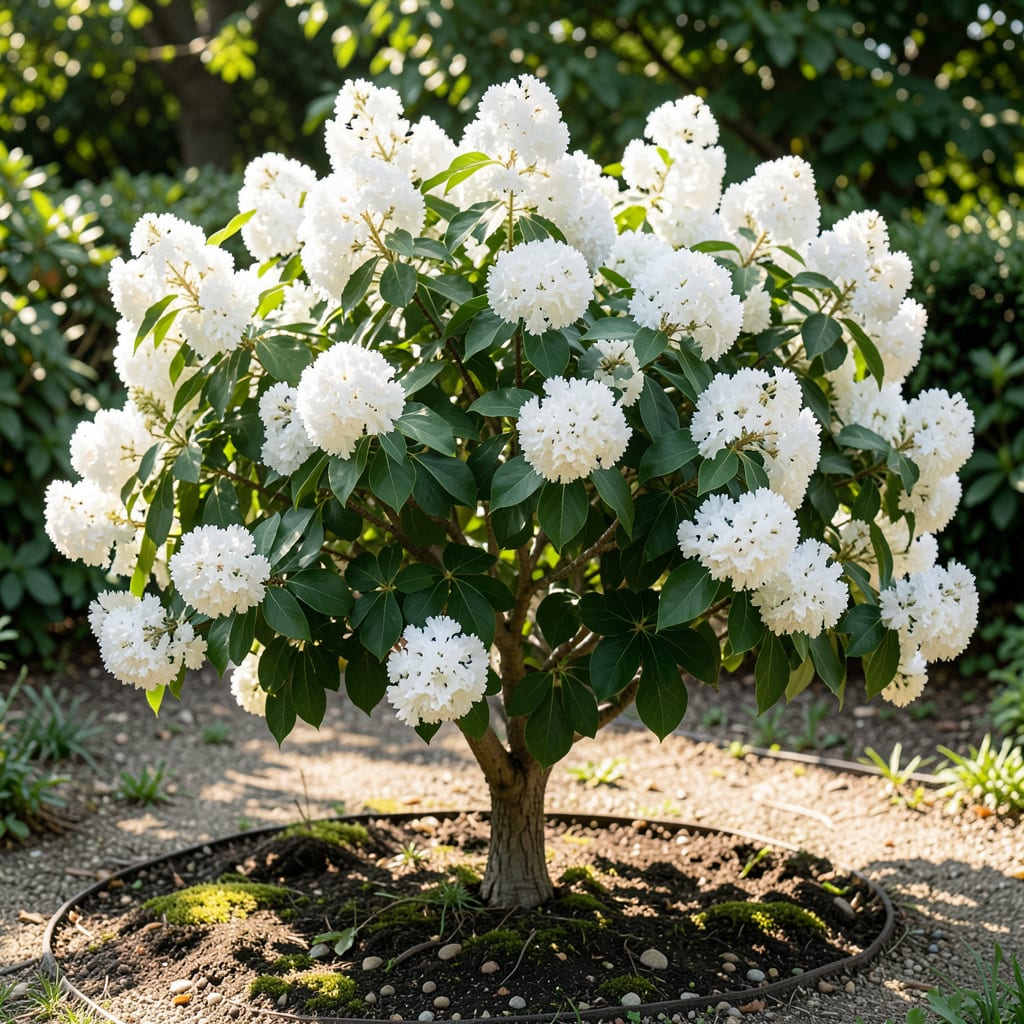
I planted my first white crepe myrtle three years ago, and it’s been a game-changer for summer color. These bushes bloom nonstop from early summer through frost, with flowers that look like delicate tissue paper.
They thrive in full sun and handle drought like champions once established. Even my black thumb can’t mess this one up—just give it space to grow and watch it transform your yard.
📚 In This Guide
This method ensures vibrant blooms and strong growth with minimal effort on your part.
Select a spot with full sun—at least 6-8 hours of direct sunlight daily. White crepe myrtles thrive in bright, open areas where they can develop their signature long, abundant blooms. Avoid low-lying spots where cold air or water might pool, as this can stress the plant.
I always check the soil drainage first by digging a small hole and filling it with water. If it drains within 1-2 hours, you’re good to go. If not, consider amending the soil or choosing a raised bed to prevent root rot.
Dig a hole that’s twice as wide as the root ball but no deeper. Loosen the soil around the edges of the hole to encourage root spread. If your soil is heavy clay or sandy, mix in a bit of compost to improve texture and fertility—just don’t go overboard, as crepe myrtles prefer lean soil over rich.
Place the plant in the hole, ensuring the top of the root ball is level with the surrounding ground. Backfill with the native soil you removed, gently tamping it down to eliminate air pockets. This step is crucial for stability and proper root establishment.
After planting, give the bush a deep watering to settle the soil around the roots. Use enough water to soak the area thoroughly, but avoid creating a soggy mess. For the first 2-3 weeks, water every 2-3 days unless rain provides at least 1 inch of moisture weekly.
Apply a 2-3 inch layer of organic mulch, like wood chips or pine bark, around the base of the plant. Keep the mulch 6 inches away from the trunk to prevent rot and pest issues. Mulch helps retain moisture and keeps soil temperatures consistent, which is especially important during hot summers.
Pruning is best done in late winter or early spring, just before new growth starts. Remove any dead, crossing, or weak branches first. Then, thin out the interior to improve airflow—this reduces the risk of fungal diseases and encourages more blooms.
I avoid heavy pruning, as it can delay flowering. Instead, I focus on shaping the bush lightly and removing spent blooms to promote continuous flowering. This plant is forgiving, so don’t stress over perfect cuts. Just use clean, sharp tools to make smooth, angled cuts.
Feed your white crepe myrtle with a balanced, slow-release fertilizer in early spring, just as new growth appears. I use a 10-10-10 formula and apply it according to the package instructions. Over-fertilizing leads to excessive leafy growth at the expense of flowers, so less is often more.
If your plant seems lackluster mid-season, a light application of fertilizer can give it a boost. Water thoroughly after fertilizing to help distribute the nutrients. With the right care, you’ll enjoy waves of white blooms from summer through fall.
Small adjustments make the difference between a struggling plant and one that explodes with blooms.
Sunlight Secret: The 6-8 hours of daily sun mentioned in Step 1 isn’t just a suggestion—it’s critical. I’ve seen plants in partial shade produce sparse, weak blooms. If your yard doesn’t get that much sun, consider planting near a south-facing wall that reflects light.
Drainage Test: That 1-2 hour drainage check in Step 1 is your insurance policy against root rot. Dig the test hole where you plan to plant, not in a random spot. If water sits longer than 2 hours, raised beds are your best friend here.
Mulch Strategy: The 6-inch gap from the trunk when applying that 2-3 inch mulch layer in Step 3 prevents more problems than you’d think. Piled mulch traps moisture against the bark, inviting rot and pests. I use a ruler to measure this distance until it becomes habit.
Watering Wisdom: During those first 2-3 weeks of every 2-3 day watering in Step 3, check soil moisture 2 inches down before watering. If it’s damp, skip a day. Overwatering is just as harmful as underwatering for new plants.
White crepe myrtle shrubs typically reach 3–10 feet tall, depending on the variety. Dwarf types stay compact (3–5 ft), while larger cultivars can grow up to 10–15 ft if unpruned. Regular pruning helps control height and shape.
Plant in late fall or early spring for best results. This allows roots to establish before extreme heat or cold. Avoid planting in summer’s peak heat, as it can stress the bush.
Once established, white crepe myrtles are drought-tolerant. Water deeply 1–2 times weekly during dry spells, and mulch around the base to retain moisture. Reduce watering in winter.
Lack of blooms may result from over-fertilizing (especially with nitrogen), pruning at the wrong time, or insufficient sunlight. Ensure it gets 6+ hours of sun daily and prune in late winter.
Yes! Consider Lagerstroemia ‘Natchez’ (white blooms) or Abelia grandiflora (drought-tolerant, long bloom season). Both offer low-maintenance beauty with comparable benefits.
