
Beautiful Plants For Your Interior
Beautiful Plants For Your Interior
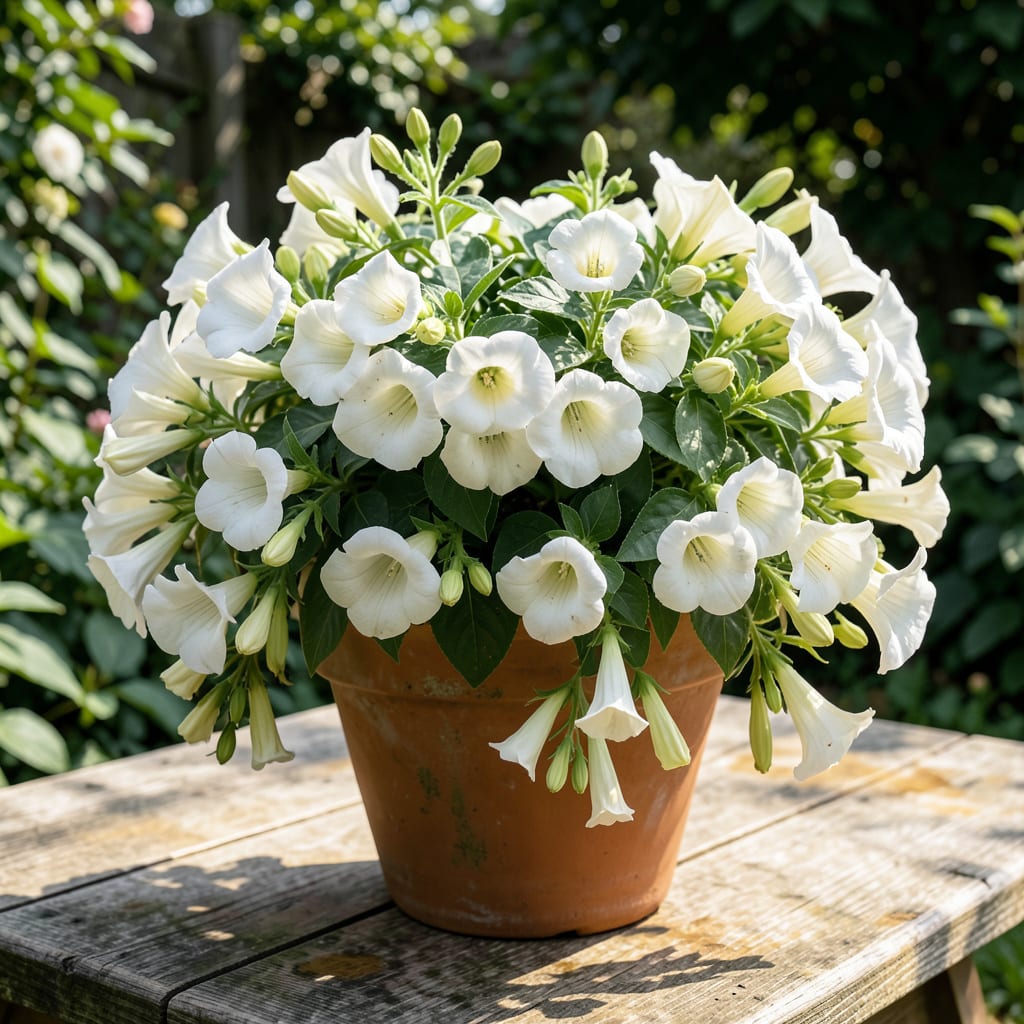
I discovered white Million Bells trailing over my porch railing last summer. These delicate flowers create a waterfall of white that brightens any sunny spot with minimal effort.
They thrive in containers, hanging baskets, or garden beds with full sun and well-draining soil. Regular watering and occasional trimming keep them blooming nonstop until frost.
📚 In This Guide
This method ensures vibrant, trailing blooms that thrive in containers and hanging baskets all season long.
Choose a location with full sun exposure—at least 6-8 hours of direct sunlight daily. Calibrachoa Million Bells performs best in bright, warm conditions, and insufficient light leads to sparse flowering and leggy growth. I always test the spot by placing my hand where the plants will grow; if it feels warm mid-morning, the light intensity is sufficient.
Ensure the site has good air circulation to prevent fungal issues, which these plants are prone to in humid climates. Avoid low-lying areas where cool air settles, as this can stunt growth and delay blooming. A balcony, patio, or raised bed works beautifully.
Use a container with excellent drainage—hanging baskets, window boxes, or pots with multiple drainage holes are ideal. Calibrachoa roots rot quickly in soggy conditions. I line the bottom of my containers with a 1-inch layer of coarse gravel or broken pottery to improve water flow without blocking the holes.
Fill the container with a light, well-draining potting mix designed for annuals. Avoid heavy garden soil or mixes with high peat content, as they retain too much moisture. Moisten the mix lightly before planting to settle it without compacting the structure.
Gently remove each plant from its nursery pot and loosen the root ball if it’s tightly bound. Plant at the same depth it was growing in the container—burying the stem too deep can cause rot. Space plants 6-8 inches apart in baskets or containers to allow for their trailing habit and air circulation.
After planting, water thoroughly until it runs from the drainage holes. This ensures the root ball is fully hydrated and eliminates air pockets around the roots. I always let the water settle for 10-15 minutes before checking if the top inch of soil feels evenly moist.
Water when the top inch of soil feels dry to the touch—usually every 2-3 days in hot weather. Calibrachoa prefers slightly moist but not waterlogged conditions. In extreme heat, I water in the early morning to reduce evaporation and prevent leaf scorch from midday sun.
Fertilize weekly with a balanced, water-soluble fertilizer (10-10-10 or 20-20-20) mixed at half strength. This encourages continuous blooming without overfeeding, which can reduce flower production. You’ll notice a surge in growth and bud formation within 7-10 days of starting this regimen.
Pinch back the tips of new growth every 2-3 weeks to promote branching and a fuller habit. Use clean, sharp scissors or pruners to remove ¼ to ½ inch from each stem. This simple step prevents the plant from becoming leggy and encourages more flower buds to form along the stems.
Deadhead spent blooms regularly, though Calibrachoa is self-cleaning and often doesn’t require it. If you notice the plant slowing its bloom production, a light trim and a boost of fertilizer will usually revive it within a week. Real talk: skipping pruning leads to a sparse, unruly plant by midsummer.
These simple adjustments will help you get the most vibrant, healthy growth from your plants.
Sunlight Requirements: The 6-8 hours of direct sunlight daily in Step 1 isn’t just a suggestion—it’s essential. I’ve seen plants in partial shade produce far fewer blooms and grow leggy. If your chosen spot gets morning sun but afternoon shade, consider supplementing with a grow light for the remaining hours.
Drainage Solution: In Step 2, that 1-inch layer of coarse gravel or broken pottery at the bottom of your container makes a surprising difference. Without it, water can pool at the roots even in a container with drainage holes. I learned this the hard way after losing a few plants to root rot early on.
Watering Technique: The 10-15 minutes settling time after initial watering in Step 3 ensures moisture reaches every part of the root ball. If you check the soil immediately after watering, you might think it’s moist enough when the center is still dry. Patience here prevents under-watering.
Pruning Precision: When you’re pinching back growth every 2-3 weeks in Step 5, focus on the outermost tips first. This encourages the plant to branch outward, creating that full, cascading effect Calibrachoa Million Bells is known for. Use sharp tools to avoid tearing the stems.
Water when the top inch of soil feels dry, typically every 2-3 days in hot climates. Avoid overwatering to prevent root rot—these plants prefer well-draining soil.
While they thrive in full sun (6+ hours daily), they can tolerate light shade. However, flowering may reduce in shadier spots—prioritize sunny locations for best results.
Use a balanced, water-soluble fertilizer (10-10-10) every 2-4 weeks during the growing season. Slow-release options also work well for steady nourishment.
Yellowing leaves often signal overwatering or poor drainage. Check soil moisture and ensure pots have drainage holes. Adjust care if roots appear soggy.
Yes! Try petunias or lobelia for cascading habits. Both offer vibrant colors and sun-loving growth, though Calibrachoa is more heat-tolerant.
