
Beautiful Plants For Your Interior
Beautiful Plants For Your Interior
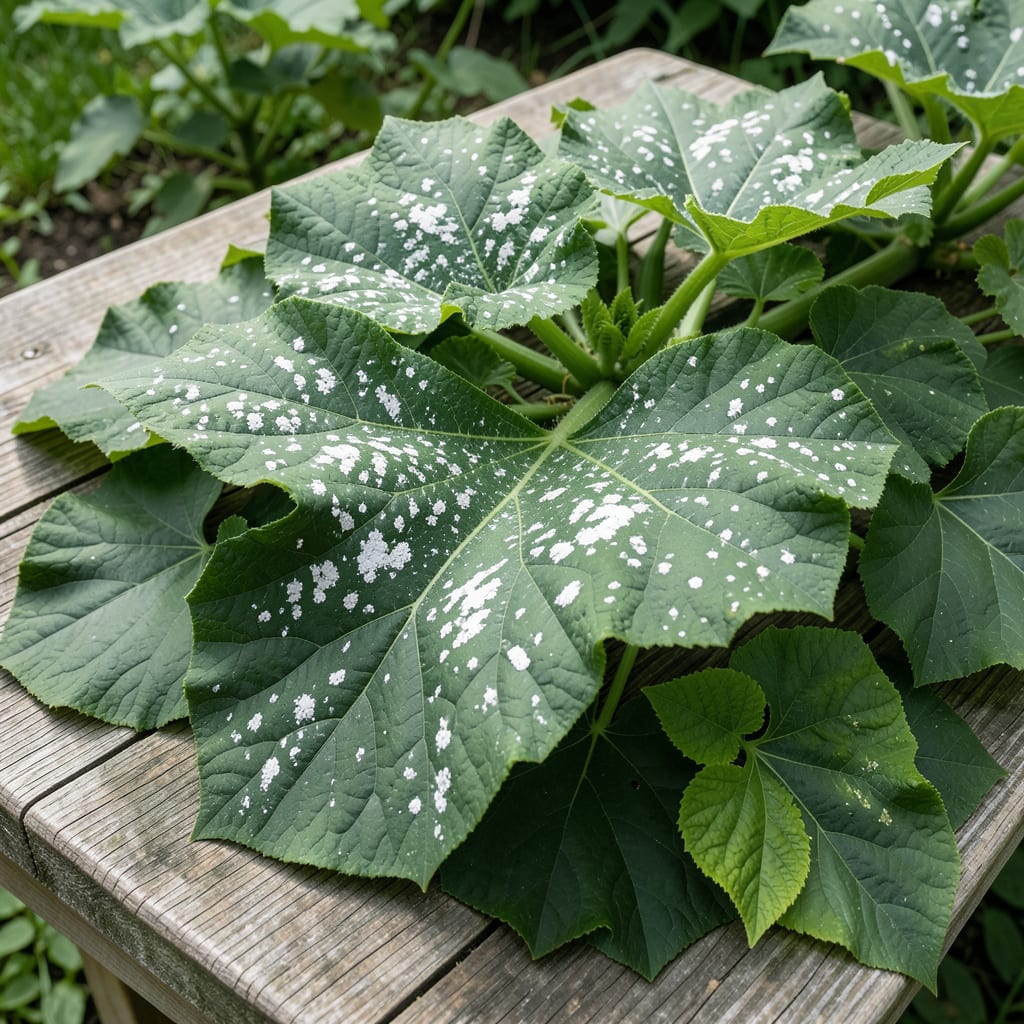
White blotches on zucchini leaves ruined my first harvest. 🌱 I watched healthy plants turn spotty overnight, then learned this common issue has a name and a fix.
Powdery mildew thrives in dry foliage with high humidity. It starts as subtle white patches, spreads fast, and weakens plants before you realize what’s happening. The good news? It’s treatable.
With the right organic fixes, you can stop the spread in 48 hours and protect future crops. I’ve saved plants mid-season using simple sprays and better airflow.
No chemicals needed—just consistent action and a few household items. Your zucchini can bounce back stronger than before.
White blotches on your zucchini leaves can stem from several underlying issues. Here’s a breakdown of the most common causes:
Podosphaera xanthii, the fungus behind powdery mildew, thrives in warm, dry conditions with high humidity. It appears as white, powdery spots on the upper leaf surface, spreading rapidly if untreated. This fungus overwinters in plant debris and spreads via spores carried by wind or water splashes.
Excessive sunlight or sudden temperature spikes can cause white or pale patches on leaves. Zucchini plants prefer full sun but can suffer from sunburn if exposed to intense UV rays without acclimation. Heat stress disrupts chlorophyll production, leading to bleached areas.
Spider mites and whiteflies feed on plant sap, leaving behind stippled or mottled white patches. These pests often cluster on the undersides of leaves. Their feeding damage weakens the plant and can introduce secondary infections.
A lack of calcium or magnesium can manifest as irregular white or yellow blotches. Calcium deficiency often causes interveinal chlorosis (white areas between veins), while magnesium deficiency leads to yellowing with white spotting. Poor soil pH or imbalanced fertilization can trigger these deficiencies.
Overapplication of chemical sprays or synthetic fertilizers can scorch leaves, creating white or brown patches. Always follow label instructions and apply treatments during cooler parts of the day to minimize stress.
White blotches on zucchini leaves often signal powdery mildew or environmental stress. Here’s how to tackle each cause with simple, organic solutions:
Act fast at the first sign of white spots to keep your zucchini thriving! ✨
Not always. While powdery mildew is common, white blotches can also come from sunburn, pest damage, or nutrient deficiencies. Check for powdery texture to confirm mildew.
Yes, as long as the fruit itself shows no spots or rot. Wash thoroughly before eating. Remove heavily infected leaves to improve plant health.
Apply a mix of 1 tsp baking soda + 1 quart water every 7-10 days or after rain. Avoid spraying in direct sunlight to prevent leaf burn.
No, overwatering can worsen the problem. Keep foliage dry and water at the base only. Drip irrigation works best for zucchini.
