
Beautiful Plants For Your Interior
Beautiful Plants For Your Interior
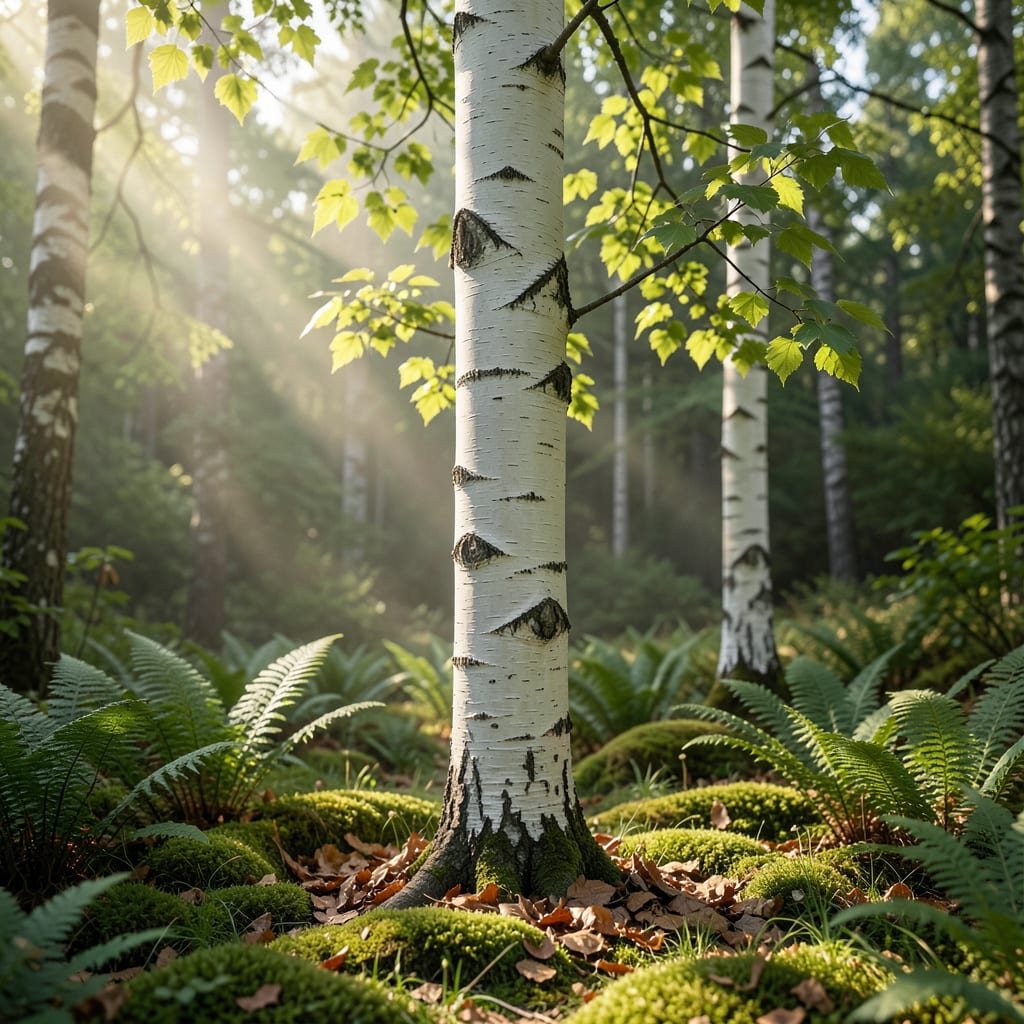
That first glimpse of paper-white bark against winter snow stops me every time. The white bark Himalayan birch transforms any landscape with its peeling layers, revealing fresh snow-white surfaces that glow in moonlight.
I planted my first one in a corner with poor soil, and it thrived with minimal care. This tree asks little: well-drained ground, occasional water, and room to stretch its branches. The payoff is year-round beauty that only gets better with age.
📚 In This Guide
This elegant tree thrives with proper site selection and careful initial planting.
Select a spot with full sun to partial shade—at least 6 hours of direct sunlight daily produces the brightest bark. The soil should be moist but well-drained; birch hates waterlogged roots. I always test drainage by digging a 1-foot-deep hole and filling it with water. If it empties in 1-2 hours, you’re good.
Avoid low-lying areas where cold air settles, as this increases frost damage risk. The mature canopy spreads 20-30 feet, so position it at least 15 feet from structures. Consider the visual impact—the peeling white bark looks stunning against dark evergreens or as a solitary specimen.
Dig a hole twice as wide as the root ball but no deeper. Loosen the soil at the sides to encourage outward root growth. I remove any grass, weeds, or debris within a 3-foot radius to reduce competition for water and nutrients during establishment.
If your soil is heavy clay, amend the backfill with 30% compost to improve drainage. For sandy soil, add 20% organic matter to boost moisture retention. Never add fertilizer at planting—it can burn tender new roots. The goal is a natural soil interface, not a “potted” effect within the ground.
Gently remove the tree from its container and loosen any circling roots. Place it so the root flare (where roots meet trunk) sits 1-2 inches above ground level—it will settle. Backfill with native soil, tampering lightly every 6 inches to eliminate air pockets.
Create a 3-inch-high watering ring around the perimeter to direct moisture to the roots. Water deeply immediately after planting—10-15 gallons for a balled-and-burlapped specimen. The soil should feel moist 8-10 inches down. Mulch with 2-3 inches of wood chips, keeping it 6 inches away from the trunk to prevent rot.
For the first 2 weeks, water every 2-3 days unless rain provides 1 inch weekly. After that, reduce to once weekly for 6-8 weeks. I check soil moisture by inserting my finger 2 inches deep—if it feels dry, it’s time to water.
Young birches are shallow-rooted, so consistent moisture is critical. Drought stress causes leaf scorch and weakens the tree against pests. A slow drip for 30-45 minutes ensures deep penetration. Reduce watering frequency in fall to harden off the tree before winter.
Stake only if necessary—most white bark birches establish without support. If staking, use two stakes with wide, flexible ties that allow slight movement. Remove stakes after 1 year to prevent girdling.
Prune only to remove dead, diseased, or crossing branches during dormancy. Avoid heavy pruning in spring when sap is running. Watch for bronze birch borer—yellowing leaves and D-shaped exit holes signal infestation. Early treatment with systemic insecticides can save the tree.
Proper planting and consistent care are the keys to helping your birch thrive for decades.
The Location Factor: That 6 hours of direct sunlight daily isn’t just a suggestion—it’s what brings out the bright white bark this tree is famous for. I’ve seen birches planted in too much shade develop a dull, grayish bark instead. Also, that drainage test with the 1-foot-deep hole? Do it. If water sits longer than 1-2 hours, you’ll need to amend the soil or pick a different spot.
Planting Depth Matters: Placing the root flare 1-2 inches above ground level might look odd at first, but trust me—it will settle. I learned this the hard way after losing a young birch to root rot from planting it too deep. The same goes for that 3-inch-high watering ring; it ensures water goes where it’s needed most.
Watering Wisdom: For the first 2 weeks, stick to watering every 2-3 days unless you get that 1 inch of rain weekly. The 10-15 gallons immediately after planting isn’t excessive—it’s what the tree needs to start establishing its roots. After that, the 6-8 weeks of weekly watering helps it get settled before you ease up.
Mulch and Maintenance: That 2-3 inches of wood chips isn’t just for looks—it helps retain moisture and keeps soil temperatures steady. Just remember to keep it 6 inches away from the trunk to prevent rot. And if you do stake, use two stakes and remove them after 1 year to avoid girdling the tree as it grows.
This birch grows at a moderate rate, typically 12–24 inches per year. In ideal conditions, it can reach 30–40 feet tall with a 15–20 foot spread in 10–15 years. Proper watering and soil conditions help maximize its growth.
Plant it in full sun to partial shade and well-drained, moist soil. It thrives in USDA zones 4–7. Avoid waterlogged or extremely dry soils, as these can stress the tree and affect its signature peeling bark.
Young trees may take 3–5 years to develop peeling bark. If mature trees aren’t peeling, check for stress from poor soil, drought, or disease. Healthy, well-maintained trees showcase their iconic white bark best!
Yes! Consider the Paper Birch (Betula papyrifera) or River Birch (Betula nigra) for similar peeling bark and hardiness. Both offer striking visual appeal but may differ in size or growing conditions.
