
Beautiful Plants For Your Interior
Beautiful Plants For Your Interior
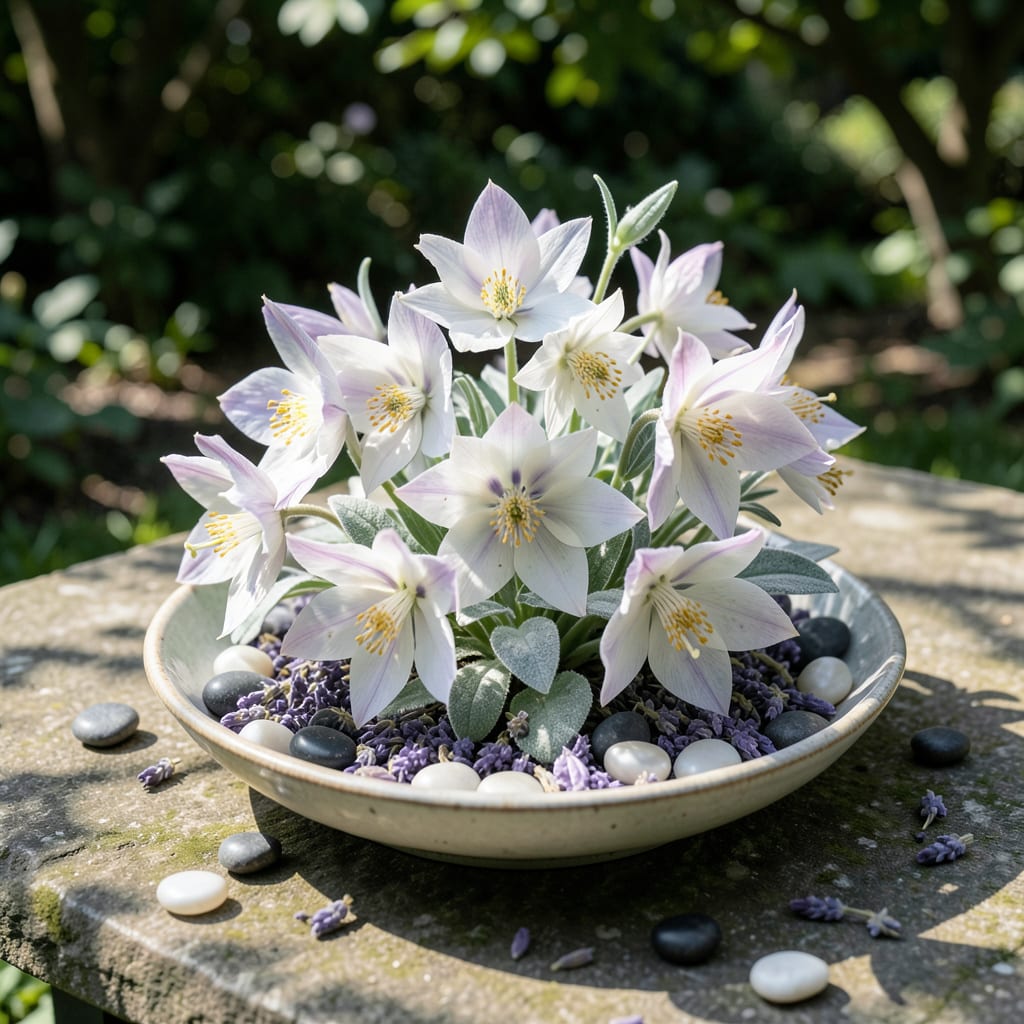
Shady spots in your garden finally have a star. White and lavender columbine bring delicate blooms and airy foliage to areas where most flowers refuse to grow.
These perennials thrive with minimal fuss—just moist, well-draining soil and partial shade. Once established, they self-seed gently, returning year after year with even more charm. Perfect for borders or woodland gardens.
📚 In This Guide
Here’s the method I use to establish these delicate perennials in shady spots with consistent success.
Choose a site with partial to full shade, especially during the hottest part of the day. Columbines thrive under the dappled light of deciduous trees or on the north side of structures. The soil should be well-draining yet retain some moisture—avoid heavy clay or overly sandy spots.
I test the area by digging a 1-foot-deep hole and filling it with water. If it drains completely within 2-3 hours, the location is suitable. These plants prefer slightly acidic to neutral soil with a pH between 6.1 and 7.3.
Amend the planting area with 2-3 inches of compost worked into the top 6-8 inches of soil. This improves drainage while adding organic matter that columbines love. Avoid fresh manure or high-nitrogen fertilizers, which can lead to excessive leafy growth at the expense of flowers.
I’ve found that adding a handful of perlite or coarse sand to each planting hole further enhances drainage. The goal is a loose, crumbly texture that roots can easily penetrate. Water the prepared area thoroughly and let it settle for 24 hours before planting.
Dig a hole slightly wider and deeper than the root ball of your columbine. Gently remove the plant from its container and loosen any circling roots to encourage outward growth. Position the plant so the crown—the point where the stem meets the roots—sits ½ inch above the soil line to prevent rot.
Backfill the hole with amended soil, pressing lightly to eliminate air pockets. Space plants 12-18 inches apart to allow for their mature spread. Water deeply after planting to settle the soil around the roots, ensuring good contact.
Keep the soil consistently moist but not soggy during the first growing season. Water at the base of the plant, avoiding the foliage to reduce the risk of fungal diseases. A 2-inch layer of organic mulch, such as shredded bark or leaf mold, helps retain moisture and suppress weeds.
I apply mulch after the soil has warmed in spring, typically in late April or early May. This also protects the shallow roots from temperature fluctuations. Columbines are drought-tolerant once established, but they perform best with regular watering during dry spells.
Deadhead spent flowers to encourage a second flush of blooms, but leave some seed heads if you want the plants to self-sow. Columbines readily re-seed under ideal conditions, creating a naturalized look over time. Cut back foliage to the ground in late fall or early spring to tidy the garden and reduce pest issues.
Divide clumps every 3-4 years in early spring or fall to maintain vigor. This also gives you more plants to spread throughout your garden or share with friends. Watch for aphids on new growth and treat with a strong spray of water or insecticidal soap if needed.
These proven strategies will help you establish healthy columbines that thrive for years to come.
Location Testing: In Step 1, the 2-3 hour drainage test is non-negotiable. If water lingers beyond this window, you’ll risk root rot. I’ve seen even experienced gardeners skip this and lose plants within weeks. Dig that 1-foot hole, fill it, and time it precisely.
Planting Depth Secret: Step 3’s instruction to position the crown ½ inch above soil level prevents the most common killer of columbines. I learned this the hard way after losing three plants to crown rot. Press the soil gently but firmly to eliminate air pockets without compacting it.
Spacing for Success: The 12-18 inch spacing in Step 3 accounts for mature spread. Planting too close leads to competition for nutrients and poor air circulation, which invites fungal issues. Trust me, these plants will fill in beautifully at this distance.
Mulching Timing: For Step 4, wait until late April or early May to apply that 2-inch mulch layer. Applying too early can delay soil warming, while waiting ensures your columbines get the protection they need from temperature swings. Use shredded bark rather than wood chips for better moisture retention.
Keep the soil moist but well-drained, and provide partial shade. Deadhead spent blooms to encourage more flowers, and cut back foliage in late summer if it looks tired. These perennials are low-maintenance once established!
Plant in early spring or fall for best results. This allows roots to establish before extreme heat or cold. Columbine seeds can also be sown directly in the garden in early spring.
Pair with shade-loving perennials like hostas, ferns, or bleeding hearts. These plants complement columbine’s delicate blooms and thrive in similar growing conditions.
Lack of blooms may be due to too much shade, poor soil, or over-fertilizing. Ensure it gets dappled sunlight and well-draining soil. Patience helps—new plants may take a year to flower.
Yes! White and lavender columbine is generally deer-resistant, though no plant is 100% safe. Its unique foliage and flowers are less appealing to deer than other garden favorites.
