
Beautiful Plants For Your Interior
Beautiful Plants For Your Interior
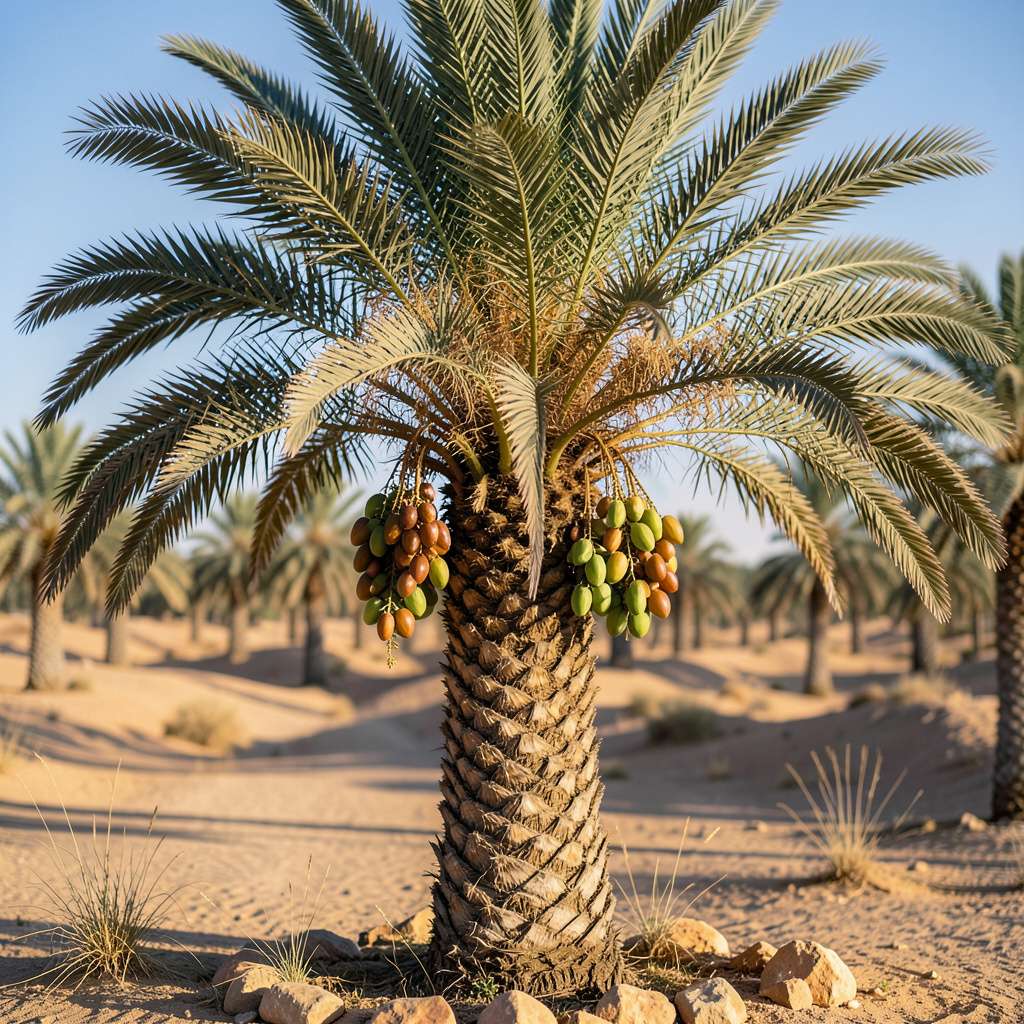
Palm trees are native to tropical and subtropical regions worldwide, with the highest diversity in Southeast Asia, South America, and parts of Africa. Over 2,600 species thrive in warm climates, from rainforests to deserts.
What fascinates me about these iconic trees is their incredible adaptability across vastly different ecosystems. 🌴 In Southeast Asia, you’ll find towering coconut palms dominating coastal landscapes, while in the Amazon, species like the açaí palm thrive in dense, humid conditions. Even desert oases host hardy varieties like the date palm, which has sustained civilizations for millennia. Their ability to flourish in such diverse environments—from swamps to sandy beaches—shows just how resourceful these plants are when given the right combination of warmth and moisture.
💡 In This Article
The secret to palm trees’ global success lies in their remarkable adaptations to specific ecosystems. In Southeast Asia’s coastal zones, coconut palms have evolved salt-tolerant root systems that filter seawater, allowing them to thrive where other trees would perish. Their fronds even collect morning dew, funneling it to the trunk—a built-in irrigation system!
Meanwhile, the Amazon’s açaí palms grow in dense clusters, their slender trunks reaching 80 feet to compete for sunlight in the rainforest canopy.
What’s truly fascinating is how different species have specialized for their environments. The date palm of North Africa and the Middle East survives on just 10-20 inches of annual rainfall, storing moisture in its thick trunk.
Contrast this with the oil palm of West Africa, which demands 60-80 inches of rain yearly and grows in swampy soils. Even their root systems differ—coastal palms develop extensive lateral roots to anchor in sandy soil, while rainforest species grow shallow roots to capture nutrients from decaying leaf litter.
The temperature sweet spot for most palms falls between 70-90°F, though some hardy species can tolerate brief dips to 20°F. This explains why you’ll never find native palms in Antarctica or the Arctic! The cabbage palm of the southeastern U.S. pushes the northern limit, surviving winters by slowing its metabolism.
Meanwhile, the Bismarck palm of Madagascar handles intense UV radiation with silvery fronds that reflect sunlight.
Soil chemistry plays a surprising role too. Many palms prefer slightly acidic soils (pH 5.5-6.5), though coastal species adapt to alkaline conditions. The peach palm of Central America thrives in volcanic soils rich in potassium, while Australia’s cabbage palm grows in nutrient-poor sands by recycling nutrients from its own dead fronds.
This recycling system is so efficient that some palms can grow for decades without additional fertilization!
Water availability dictates growth patterns in dramatic ways. In flooded areas, palms like the nipa palm develop specialized breathing roots called pneumatophores that rise above water. Desert palms often grow in oases where groundwater sits just 3-6 feet below the surface.
The California fan palm survives drought by storing water in its trunk—some specimens contain up to 100 gallons of reserve water!
Even their reproductive strategies vary by habitat. Rainforest palms often rely on animals to disperse their fruits, while wind-pollinated species dominate open savannas. The coconut palm takes advantage of ocean currents—its buoyant fruits can float thousands of miles to colonize new islands.
This explains why coconut palms appear on nearly every tropical coastline, from the Caribbean to the Pacific Islands.
What most people don’t realize is that palms have been shaping human civilizations for millennia. The date palm’s cultivation in Mesopotamia 6,000 years ago enabled early agricultural settlements. In Southeast Asia, sago palms provided staple food for indigenous communities. Even today, the oil palm industry supports economies across tropical regions, though not without environmental controversy.
Climate change is now altering these natural distributions. Some species are migrating poleward as temperatures rise, while others face habitat loss. The coconut palm, for instance, may lose suitable growing areas in the Caribbean by 2050 due to increasing storm intensity and saltwater intrusion.
Conservation efforts now focus on preserving genetic diversity in palm seed banks, ensuring these iconic trees continue thriving in their native habitats.
Next time you see a palm tree, consider what its shape and location reveal about its native environment. The frond patterns, trunk thickness, and even the fruit all contain clues about where it evolved. That beachside coconut palm and the desert date palm might look similar, but their survival strategies are worlds apart—literally! 🌍
Some hardy species like the windmill palm (Trachycarpus fortunei) thrive in mountainous regions of China where winter temperatures drop to 5°F. The needle palm (Rhapidophyllum hystrix) even survives brief dips to -5°F in protected areas. These exceptions prove palms aren’t just tropical plants!
Europe’s climate is simply too cool for most palms. The only native European species, Chamaerops humilis, grows in the Mediterranean where winters rarely drop below 23°F. Most palms need consistent warmth above 50°F year-round to thrive, which limits their natural range to tropical and subtropical zones.
Coastal palms like coconuts grow in sandy, salty soils, while rainforest species prefer rich, acidic earth. The oil palm thrives in swampy, waterlogged areas, and desert date palms survive in alkaline, nutrient-poor sands. Their root systems adapt remarkably to available conditions.
Human activity played the biggest role. Spanish explorers brought coconuts to the Caribbean in the 16th century, while date palms spread along ancient trade routes. Some species like the Canary Island date palm became popular ornamentals in Mediterranean climates during the 19th century.
The coconut palm holds this title, naturally occurring across tropical coastlines from Southeast Asia to the Pacific Islands. Its buoyant fruits can float thousands of miles on ocean currents, allowing it to colonize new areas naturally. This explains why it appears on nearly every tropical beach worldwide!
