
Beautiful Plants For Your Interior
Beautiful Plants For Your Interior
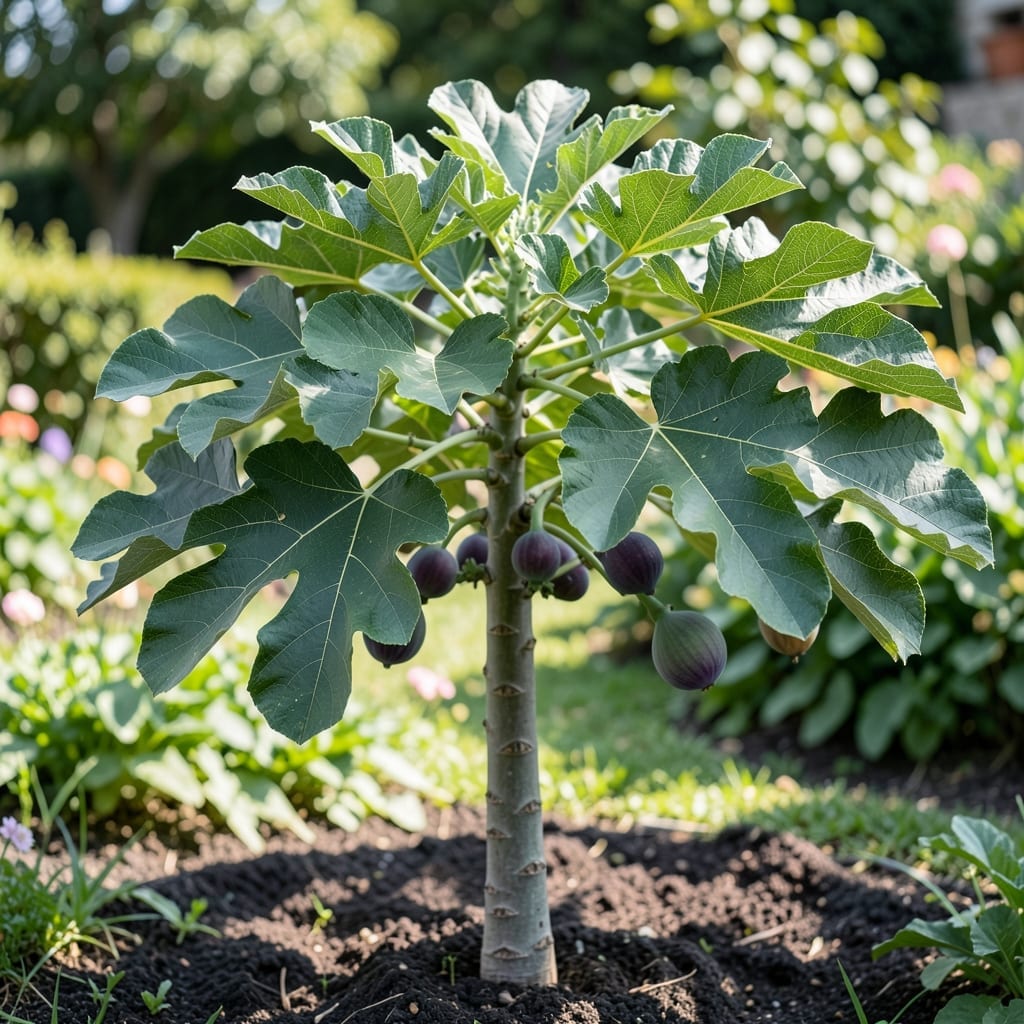
Waiting for your 🌳 Fig Tree to bear fruit can feel like watching paint dry. I remember my own frustration the first year, checking daily for any sign of those sweet treats.
What many don’t realize is that age and climate are the biggest factors. Most varieties won’t produce until they’re 2-3 years old, and even then, the conditions have to be just right.
Let me walk you through what determines when your Fig Tree will finally reward you with its first delicious harvest.
If you’re wondering when your fig tree will produce fruit, the first thing to consider is its age and variety. Most fig trees won’t bear fruit until they’re at least 2 years old. Some may take up to 5 years to reach full production.
I’ve seen Brown Turkey figs fruit in as little as 1-2 years, while Celeste varieties often take a bit longer. The juvenile period is crucial—this is when the tree is still growing its root system and structure.
| Fig Tree Fruiting Timeline by Variety | |
| Variety | Typical Fruiting Age |
| Common Fig | 2-3 years |
| Brown Turkey | 1-2 years |
| Celeste | 3-4 years |
| Black Mission | 3-5 years |
| Kadota | 3-4 years |
Once your fig tree reaches maturity, you can expect a more consistent harvest. Most varieties will produce two crops per year—the breba crop in early summer and the main crop in late summer or fall.
The breba crop forms on last year’s wood and is often smaller. The main crop develops on new growth and is typically more abundant. I always mark my calendar for June through October, as this is when most figs are ready.
Regional variations play a big role too. In warmer climates like USDA zones 8-10, figs may fruit earlier. Cooler areas in zones 6-7 might see a slightly delayed timeline. I’ve noticed my trees in zone 7 start bearing around late July.
Don’t forget that container-grown figs might take a bit longer. The restricted root space can slow growth. If you’re growing in pots, ensure they’re at least 15-20 gallons to support fruiting.
Dwarf varieties like Chicago Hardy are bred to fruit earlier, often within 1-2 years. These are great for gardeners impatient for results. I planted one last spring and was amazed to see a few figs by August.
Remember that first-year figs are often small and may drop before ripening. This is normal—the tree is still learning. By the third year, you should see a more reliable harvest if conditions are right.
If your tree is older but still not fruiting, it might need more sunlight or nutrients. Fig trees thrive in full sun with well-draining soil. I always recommend a balanced fertilizer in early spring to give them a boost.
With patience and proper care, your fig tree will reward you with sweet, abundant fruit for years to come 🌳
Your fig tree’s fruiting timeline heavily depends on climate and growing conditions. I’ve learned that USDA zones 8-10 are ideal, where trees often fruit earlier and more abundantly. Cooler zones like 6-7 may see delayed fruiting by 2-4 weeks.
Fig trees are frost-sensitive, so late frosts can damage developing fruit. In my zone 7 garden, I protect young trees with frost cloth until temperatures stabilize above 28°F. This simple step has saved many potential harvests 🌳
✅ Key Climate Factors for Fig Fruit Production
Sunlight is non-negotiable for fig production. Trees in partial shade often produce fewer fruits or none at all. I position my figs in the sunnest spot of the yard, and the difference in yield is remarkable compared to shadier locations.
Soil quality impacts both timing and fruit quality. Fig trees prefer slightly acidic to neutral soil (pH 6.0-7.0). I test my soil annually and amend with compost or sulfur as needed. Poor soil can delay fruiting by 1-2 years.
Water stress can cause fruit drop. During dry spells, I give my trees a deep soak once a week. However, overwatering is just as harmful—it can lead to root rot and stunted growth. The key is consistent moisture without waterlogging.
Heat accumulation also plays a role. Fig trees need 100-120 days above 70°F to ripen fruit properly. In cooler summers, fruits may take longer to mature. I’ve noticed my Brown Turkey figs ripen faster in hotter years.
By optimizing these conditions, you can accelerate fruiting and enjoy a more reliable harvest each season ☀️