
Beautiful Plants For Your Interior
Beautiful Plants For Your Interior
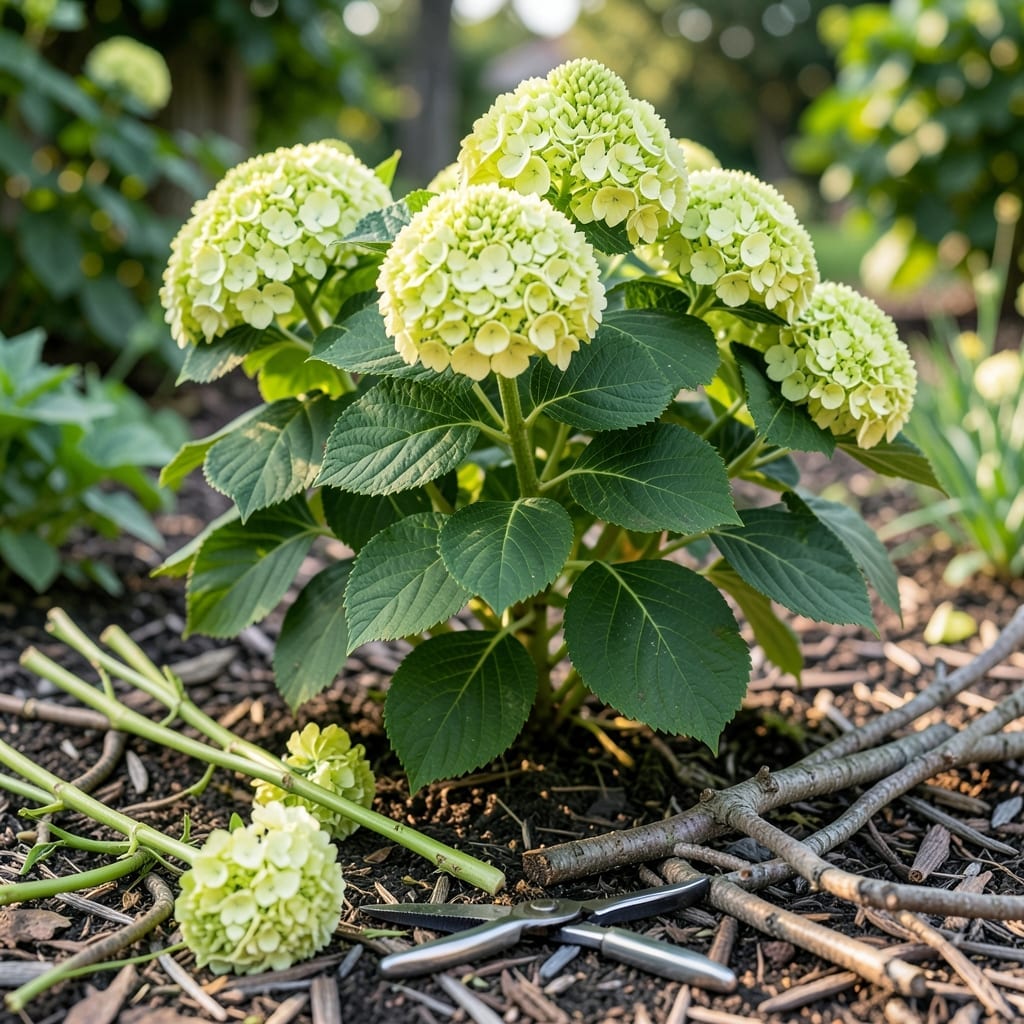
Timing your pruning wrong can mean a season without those stunning panicle blooms you love from the 🌸 Limelight Hydrangea. This popular variety has specific needs to ensure vibrant growth year after year.
Unlike other hydrangeas, it blooms on new wood, which changes everything about when and how you should prune. Getting this right means bigger, healthier flowers each summer.
Discover the best windows for trimming and why timing is the key to unlocking its full potential. Let me walk you through what works.
The Limelight Hydrangea blooms on new wood, which means it forms flower buds on growth that appears in the same season. This is a game-changer for pruning timing.
For the best results, you should prune in late winter or early spring, just before new growth starts. This timing ensures you don’t accidentally remove potential blooms.
| Pruning Window | Key Details |
|---|---|
| Late Winter | Before new growth starts, February-March |
| Early Spring | As buds swell but before leaves emerge |
| Avoid | Fall/Winter after August |
In warmer climates (USDA zones 7-9), I start checking my Limelight Hydrangeas in late February. In cooler areas (zones 5-6), early March is safer to avoid frost damage to new growth.
Look for swollen buds as your signal. These indicate the plant is waking up and ready for pruning. If you wait until leaves appear, you risk cutting off potential flower clusters.
The biggest mistake gardeners make is pruning in fall. Since Limelight blooms on new wood, fall pruning won’t remove next year’s flowers, but it can leave the plant vulnerable to winter damage.
I always check the weather forecast before pruning. A late frost after pruning can damage new growth. In my experience, waiting until night temperatures stay above 40°F is ideal.
Remember that Limelight Hydrangeas are more forgiving than bigleaf varieties. If you miss the perfect window, you can still prune in early spring and get blooms, just potentially fewer.
For established plants, I recommend removing about 1/3 of the oldest stems at the base each year. This encourages new growth and better air circulation, leading to healthier plants and more abundant blooms.
If your plant is young (under 3 years), focus on shaping rather than heavy pruning. Light trimming helps establish a strong structure without stressing the plant. ✂️
Pruning your Limelight Hydrangea properly ensures healthy growth and abundant blooms. Since it blooms on new wood, timing and technique are everything. I always start with the right tools to make clean cuts.
You’ll need sharp bypass pruners, loppers for thicker stems, and gardening gloves for protection. Disinfect your tools with rubbing alcohol to prevent disease spread between plants.
Begin by removing any dead or damaged wood at the base. This improves air circulation and directs energy to healthy growth. Look for stems that are brown, brittle, or show no signs of life.
Next, I thin out about 1/3 of the oldest stems each year. This encourages new growth from the base, which produces the largest blooms. Cut these stems all the way to the ground.
For shaping, I trim back the remaining stems by about 1/3 of their length. This maintains a compact shape while still allowing for plenty of new growth and flowers. Always cut just above a bud node at a 45-degree angle.
Finally, I clean up all plant debris from around the base. This prevents pests and diseases from overwintering. A quick rake and disposal of clippings keeps my garden tidy and my hydrangeas healthy. ✂️