
Beautiful Plants For Your Interior
Beautiful Plants For Your Interior
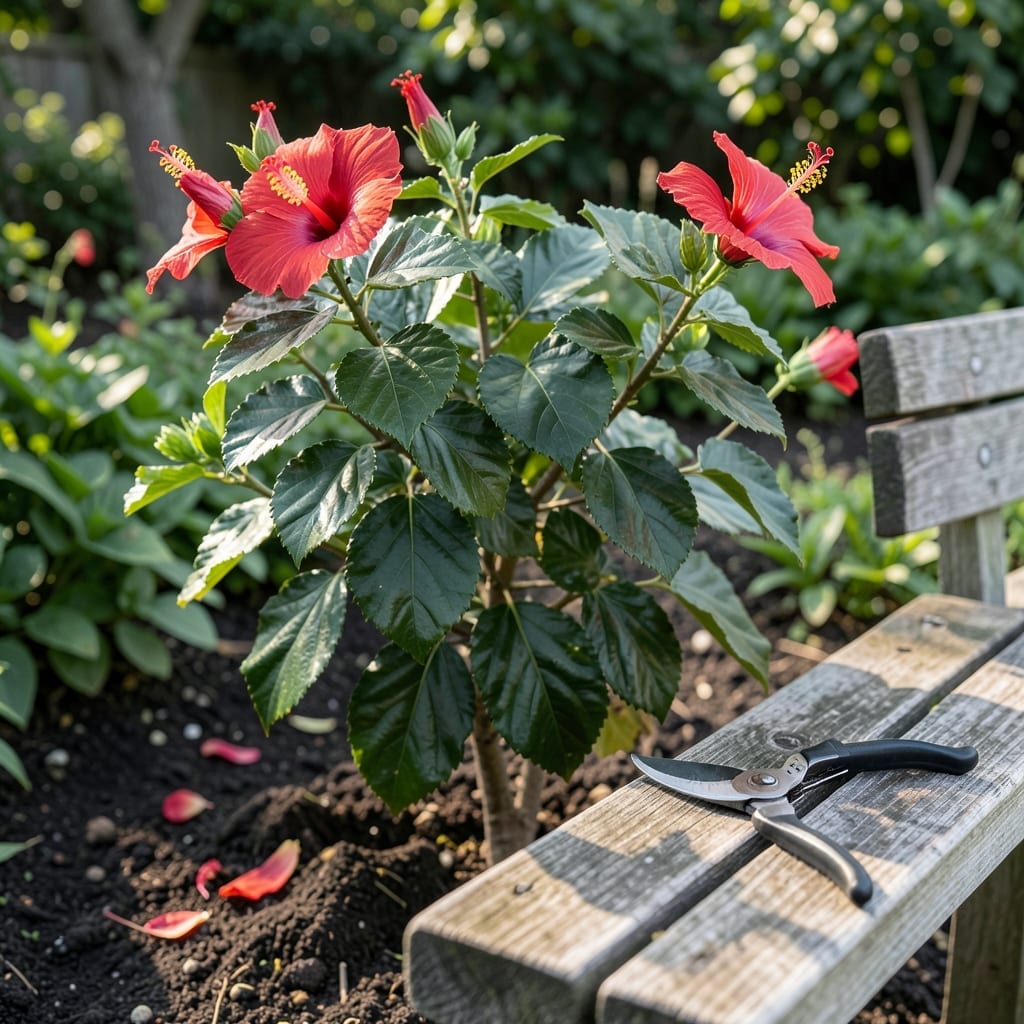
Timing your hibiscus trimming correctly before winter can mean the difference between a struggling 🌺 and vibrant spring blooms. Many gardeners unknowingly harm their Hibiscus by pruning at the wrong time.
I’ve seen firsthand how proper timing enhances plant health and winter survival. Whether you’re in a colder climate or a milder region, getting this right is the key to success.
Let me walk you through the best approach for your Hibiscus. You’ll discover when to make those important cuts and why it matters so much for next year’s growth.
Getting your hibiscus pruning timing right is crucial for winter survival. I always recommend trimming tropical hibiscus after the last bloom but before the first frost hits. This gives your plant time to recover before dormancy.
For hardy hibiscus varieties, you can wait until late fall or even early winter. These types handle cold better and benefit from a later trim. The key is avoiding any pruning during active growth periods.
| Hibiscus Type | Best Trim Time | Key Consideration |
|---|---|---|
| Tropical Hibiscus | After last bloom | Before first frost |
| Hardy Hibiscus | Late fall | Can tolerate early winter |
| Container Hibiscus | Before moving indoors | Reduce size for overwintering |
In USDA zones 8-11, you can often get away with trimming as late as November. But in cooler zones like 5-7, aim to finish pruning by mid-October to be safe. Always check your local frost dates.
I’ve learned that temperature matters more than calendar dates. When nighttime temps consistently drop below 50°F, it’s time to start thinking about winter prep. This is when your hibiscus begins its dormancy transition.
For potted hibiscus, I recommend trimming about 2-3 weeks before you plan to bring them indoors. This reduces stress on the plant during the transition and makes moving easier.
Remember that late pruning can stimulate new growth that won’t have time to harden off before winter. This tender growth is especially vulnerable to frost damage, which can set your plant back significantly.
In my experience, morning pruning is best. The plant has all day to begin healing its wounds before cooler nighttime temperatures arrive. Always use clean, sharp tools to make precise cuts.
Watch your hibiscus for signs of dormancy like yellowing leaves or slowed growth. These are nature’s signals that it’s time to prepare for winter, including that all-important trim.
Finally, don’t forget that aftercare is crucial. Following your trim, give your hibiscus a good watering and consider adding a layer of mulch for extra winter protection.
✂️Winterizing your hibiscus starts with the right tools and timing. I always use sharp bypass pruners for clean cuts and gloves to protect my hands. Begin by removing any dead or diseased wood first.
Next, shape the plant by trimming back 1/3 of the current growth. This encourages bushier growth next season. For tropical hibiscus, focus on thinning out crowded branches to improve air circulation.
After pruning, I apply a 2-3 inch layer of mulch around the base. This protects the roots from freezing temperatures. Use organic mulch like wood chips or straw for best results.
For potted hibiscus, move them to a sheltered location after trimming. A garage or shed works well if it stays above freezing. Water sparingly during dormancy, just enough to keep the soil from drying out completely.
I’ve found that wrapping the base in burlap adds extra protection in harsher climates. This is especially helpful for young plants or those in exposed locations. Secure the wrap with twine but leave the top open for ventilation.
Finally, mark your calendar to check on your hibiscus monthly during winter. Look for signs of stress like wilting or leaf drop. Adjust your care as needed to ensure it emerges strong in spring. ✂️