
Beautiful Plants For Your Interior
Beautiful Plants For Your Interior
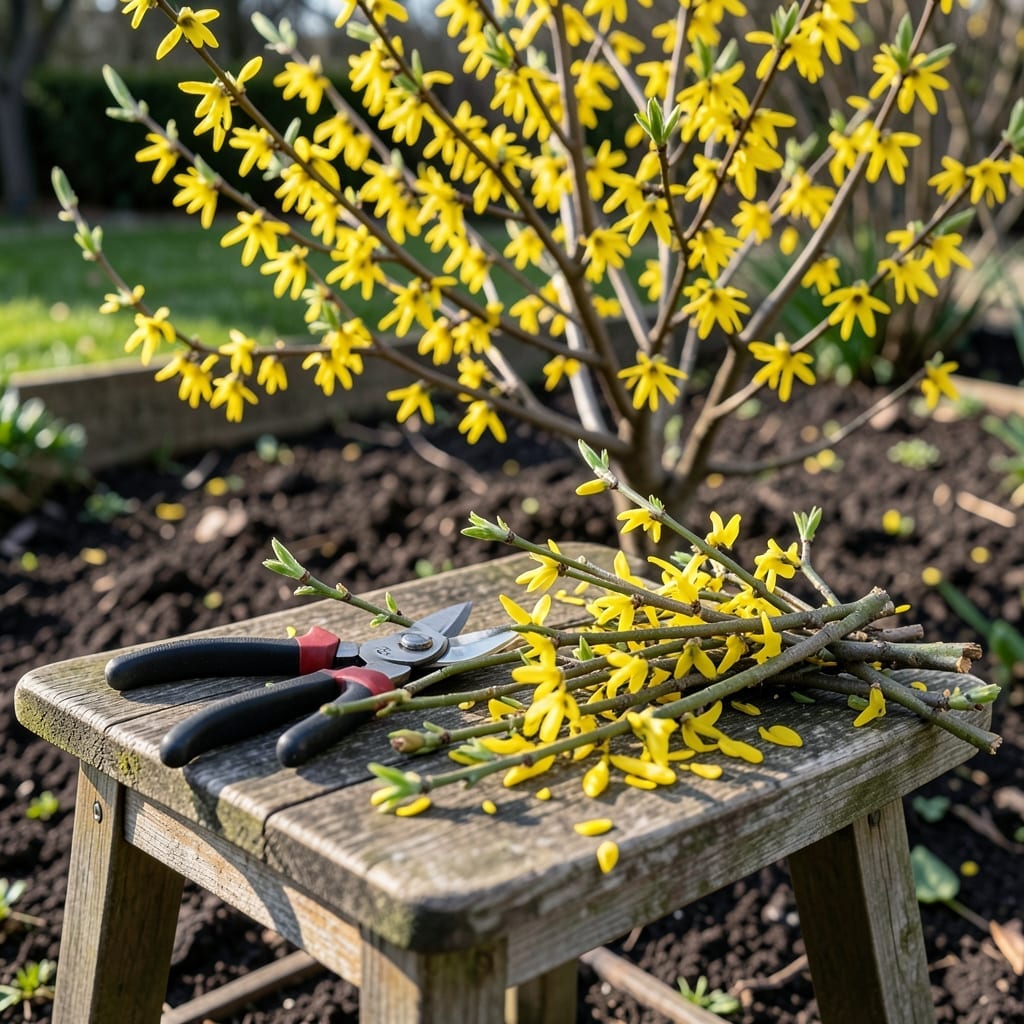
Timing your forsythia trimming wrong could mean sacrificing next spring’s explosion of golden blooms. The 🌸 Forsythia demands precision pruning to maintain its beauty and health.
I’ve seen too many gardeners make the costly mistake of cutting at the wrong time. The difference between a vibrant display and a bare shrub often comes down to when you pick up those shears.
Discover the best windows for trimming and why post-blooming is your safest bet. Let’s ensure your shrub thrives year after year.
Timing is everything when trimming forsythia. This vibrant shrub sets its flower buds in late summer for the next spring, so cutting at the wrong time can ruin your bloom display.
I always recommend pruning immediately after flowering in spring. This gives your shrub plenty of time to develop new growth and set buds for next year’s golden explosion.
| Pruning Window | Action | Impact on Blooms |
|---|---|---|
| Early Spring | Trim after flowers fade | ✅ Encourages new growth |
| Late Summer | Light shaping only | ⚠️ Risk of cutting new buds |
| Fall/Winter | Avoid heavy pruning | ❌ Removes flower buds |
If you live in colder climates (USDA zones 5-6), finish your pruning by early summer. This ensures new growth hardens off before winter, protecting those precious buds from frost damage.
For warmer regions (zones 7-8), you have a bit more flexibility. I’ve found that light trimming in late summer can help maintain shape without sacrificing next year’s blooms.
Remember, forsythia blooms on old wood. That means those flower buds form on growth from the previous season. Cutting in fall or winter removes these buds, leaving you with a green shrub instead of a golden spectacle.
I’ve seen gardeners make the mistake of shearing their forsythia in late fall to “tidy up” the garden. This always results in disappointment when spring arrives with few or no flowers.
If your shrub is overgrown, don’t panic. You can do a gradual renewal by removing one-third of the oldest stems each year right after blooming. This keeps the plant healthy while maintaining flower production.
For young forsythia, focus on shaping rather than heavy pruning. These plants need 2-3 years to establish a good framework before you start aggressive trimming.
Always use sharp bypass pruners for clean cuts. This prevents tearing the stems, which can invite disease and slow healing. I keep mine oiled and sharpened for the best results.
After pruning, give your forsythia a light feeding with a balanced fertilizer. This supports new growth and helps the plant recover from the stress of trimming. ☀️
Pruning forsythia correctly ensures a burst of golden blooms each spring. I follow a simple method to shape my shrubs while protecting next year’s flowers.
The key is to prune right after flowering but before new buds form. This window typically lasts 2-3 weeks in early spring, giving you time to act.
I always start by removing crossing branches and any wood that looks diseased. This improves air circulation and reduces pest risks.
For mature forsythia, focus on thinning the center. This lets sunlight reach inner branches, promoting healthier growth and better blooming.
Finally, step back frequently to check your progress. It’s easier to make small adjustments than to fix a poorly shaped shrub later. ✂️