
Beautiful Plants For Your Interior
Beautiful Plants For Your Interior
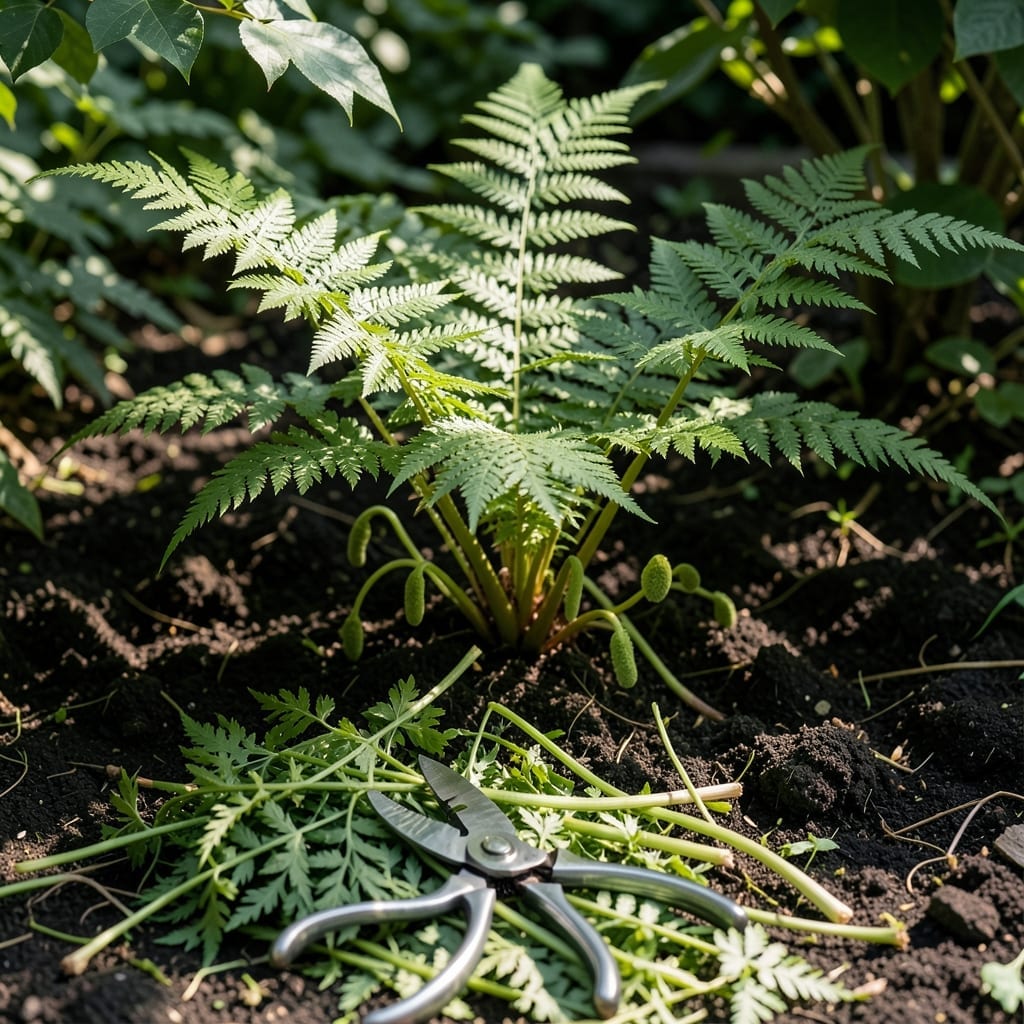
I used to think trimming Fern 🌿 was just about keeping it tidy, but timing is everything for these delicate plants. Prune too early or too late, and you risk stunting their growth or leaving them vulnerable.
After years of trial and error in my own garden, I’ve learned that a little seasonal strategy goes a long way. The right timing can transform your ferns from struggling to thriving.
Discover the best times to trim for lush, vibrant foliage and how to avoid the most common mistakes that even experienced gardeners make.
I’ve found that early spring is the ideal time to trim most ferns, just as new fiddles begin to unfurl. This timing allows the plant to direct energy toward fresh growth.
In my garden, I always aim for March or April, before the active growing season kicks in. This ensures the fern has enough stored nutrients to recover quickly.
Summer trimming should be minimal—just enough to remove brown or damaged fronds. This prevents stress during the hottest months when ferns need their foliage for photosynthesis.
I avoid heavy pruning in summer because it can weaken the plant and make it more susceptible to pests or disease. A light touch keeps ferns looking tidy without harm.
By late fall, I stop trimming altogether. Ferns begin preparing for dormancy, and cutting back too late can remove protective foliage they need for winter survival.
Winter is a no-go for pruning in my book. Ferns are dormant, and trimming then can damage the crown or leave the plant vulnerable to cold snaps.
If you live in warmer climates, like USDA zones 8-10, you might get away with light winter trimming. But in colder areas, like my zone 6 garden, it’s best to wait.
For indoor ferns, the rules are similar but more flexible. I trim mine in early spring and again in early fall to keep them lush and full year-round.
Remember, sharp tools are a must. I always use clean pruning shears to make precise cuts and prevent tearing the fronds, which can invite disease.
Timing your trimming right can make the difference between a struggling fern and one that thrives with vibrant, healthy fronds all season long ✂️
I’ve learned that brown or crispy fronds are the first sign your fern needs a trim. These dead or dying leaves drain energy from the plant and can harbor pests.
Another clue is overcrowded growth, where new fiddles struggle to emerge. Thin it out to give your fern room to breathe and thrive.
Avoid These Mistakes: Never trim wet ferns—it spreads disease. Don’t use dull tools that tear fronds, and avoid over-pruning, which can shock the plant.
Yellowing fronds often signal it’s time to trim, but first check for overwatering or poor drainage. If the soil is fine, a light trim can revive your fern.
I once made the mistake of trimming in direct sunlight. The fronds wilted within hours—always prune in shade or early morning to reduce stress on the plant.
Another error is cutting too close to the crown. Leave 1-2 inches of stem to protect the growth center and prevent rot or disease.
If your fern looks leggy or sparse, it might need more frequent light trims rather than one heavy pruning. This encourages bushier growth over time.
Pay attention to these signs and pitfalls, and your ferns will reward you with lush, healthy foliage all season long ✂️