
Beautiful Plants For Your Interior
Beautiful Plants For Your Interior
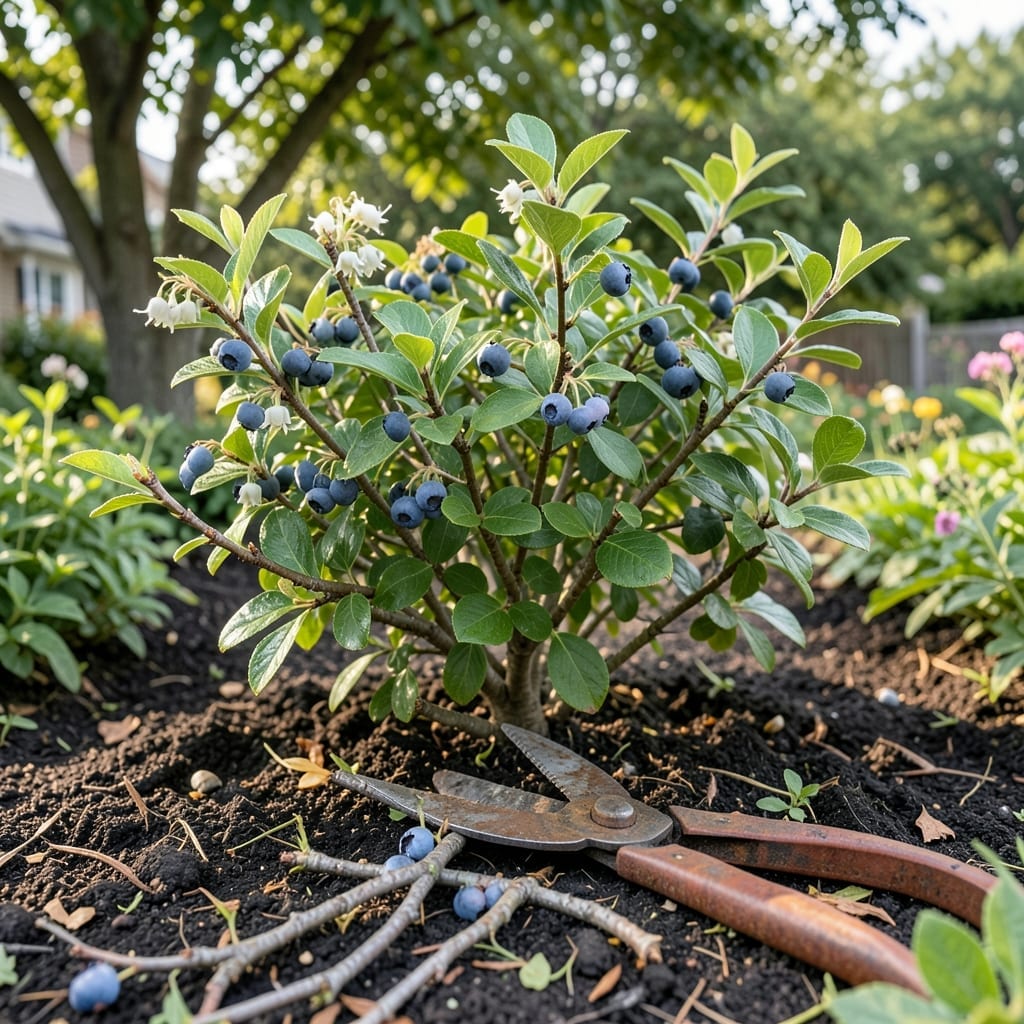
Trimming your 🫐 Blueberry Bush at the right time can make or break your harvest. Prune too early or too late, and you might kiss next year’s fruit goodbye or leave your bushes vulnerable to disease.
I’ve seen gardeners struggle with weak growth and sparse berries simply because they missed the best pruning window. The timing is everything when it comes to keeping your bushes healthy and productive.
Let me show you exactly when to grab those shears for maximum fruit production and plant vitality. It’s easier than you think to get it right.
Timing your pruning right is the secret to bountiful blueberry harvests. I’ve learned that cutting at the wrong time can cost you next year’s fruit or stress your plants. Late winter is ideal for most regions, just before buds swell.
For northern climates, aim for March when bushes are still dormant. In milder zones, you can start as early as February. The key is to finish before new growth begins. ✂️
| Season | Pruning Window | Key Benefit |
|---|---|---|
| Late Winter | February-March | Stimulates new growth |
| Early Spring | Before bud break | Avoids fruit loss |
| Post-Harvest | After fruiting | Shapes for next season |
Avoid pruning during active growth in spring and summer. This is when bushes are putting energy into fruit production. Cutting now can reduce your berry yield significantly.
For young bushes under 3 years old, focus on shaping rather than heavy pruning. Remove only dead or crossing branches to encourage strong structure. This builds a solid foundation for future harvests.
Southern gardeners have more flexibility. You can prune in late fall after the first frost, but finish before winter dormancy sets in. This helps prevent cold damage to fresh cuts.
Watch for flower buds when pruning. These are plumper than leaf buds and often clustered at branch tips. Preserve these for next year’s crop while removing old, unproductive wood.
Always use clean, sharp tools to make precise cuts. I recommend bypass pruners for branches under ½ inch thick and loppers for thicker wood. Sterilize between cuts to prevent disease spread. 🌿
Dwarf varieties need less aggressive pruning. Focus on maintaining their compact shape while still removing about 20% of old wood annually. This keeps them productive without over-stressing.
If you miss the ideal window, don’t panic. Light pruning can be done anytime except during peak fruiting. Just avoid removing more than 1/3 of the bush at any one time. 🌱
Pruning blueberry bushes properly ensures you keep those precious fruit buds intact. I always start by identifying the difference between flower buds and leaf buds—flower buds are plumper and often clustered at the tips.
Begin by removing dead or diseased wood first. This opens up the bush and lets you see the structure better. Next, cut out any crossing branches that rub against each other, as these can cause damage and invite disease. ✂️
After clearing the deadwood, focus on thinning out old canes. Blueberry bushes produce best on 1-3 year old wood, so remove canes older than that. This stimulates new, productive growth for future harvests.
Be gentle with young bushes. For the first 2-3 years, limit pruning to shaping and removing problematic branches. Heavy pruning too early can delay fruit production and stress the plant.
Always make clean cuts at a 45-degree angle just above a bud or branch junction. This helps the plant heal faster and reduces the risk of disease entering through the wound. 🌿
Finally, step back frequently to assess your progress. You want to maintain an open center that allows sunlight and air to reach all parts of the bush. This improves berry quality and reduces fungal risks.
Remember, it’s better to prune too little than too much. You can always make additional cuts next year if needed. 🌱