
Beautiful Plants For Your Interior
Beautiful Plants For Your Interior
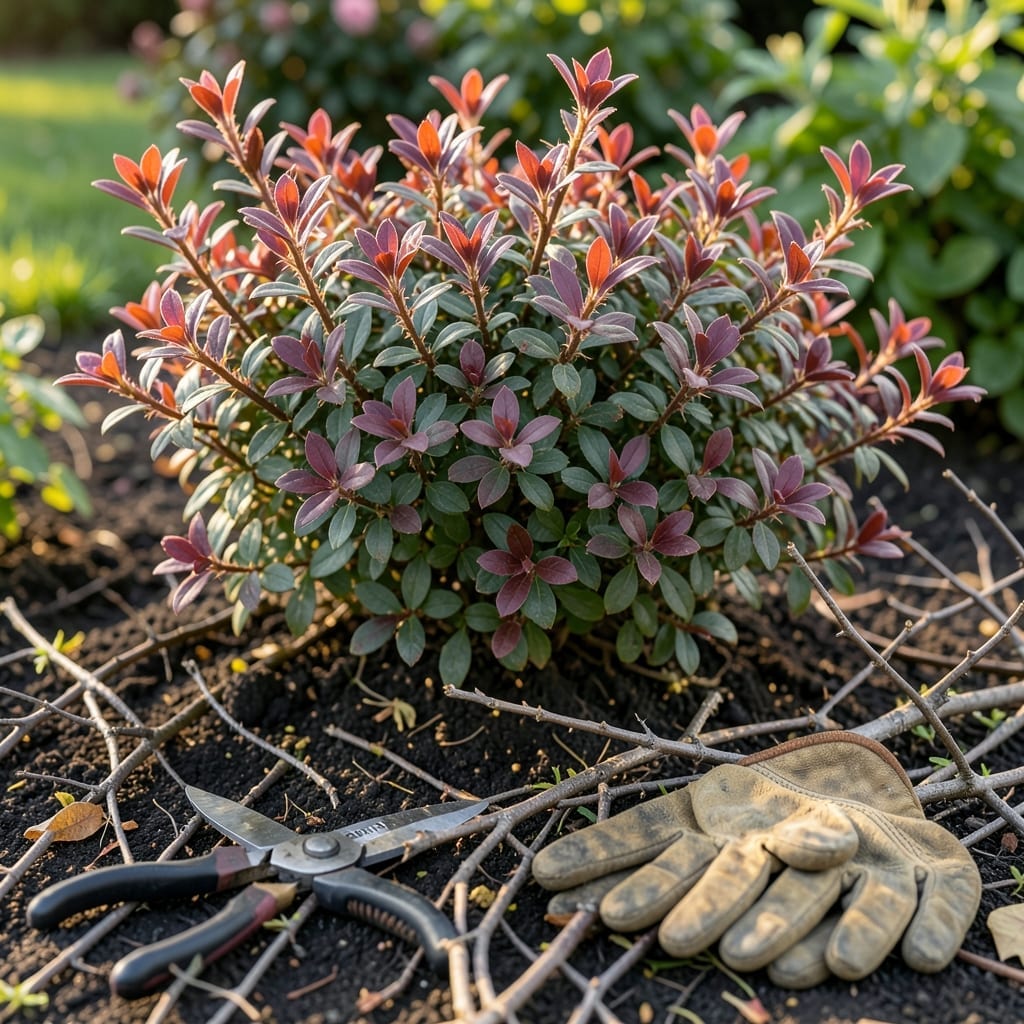
Trimming your 🌿 Barberry Shrub at the right time makes all the difference for its health and appearance. Get it wrong, and you might end up with a struggling plant.
I’ve learned that timing is the key to vibrant foliage and controlled growth. Whether you’re a seasoned gardener or just starting out, knowing when to prune can feel overwhelming.
Let me walk you through the best seasons and techniques to keep your Barberry Shrub thriving year after year.
Timing your barberry shrub pruning correctly ensures lush foliage and strong growth. I always aim for late winter or early spring before new buds form. This timing helps the plant focus energy on fresh growth. ✂️
In USDA zones 4-8, pruning in March or early April works best. This window avoids cutting off new flower buds while allowing recovery before summer heat. 🌿
| Pruning Window | Best For |
|---|---|
| Late Winter | Shape control, remove dead wood |
| Early Spring | Encourage new growth, size management |
| Post-Flowering | Minimal pruning for touch-ups |
If you miss the spring window, a light trim in late summer can work. Just avoid heavy pruning then, as it may stimulate tender growth before frost. 🌡️
I’ve found that barberry shrubs respond poorly to fall pruning in colder climates. The new growth won’t harden off before winter, increasing cold damage risk. ☀️
For dwarf varieties, prune less aggressively since they grow slower. Focus on removing crossing branches and dead wood to maintain shape.
In warmer climates, you might prune twice yearly: once in early spring and again in late summer. This keeps the shrub compact and healthy.
Never prune during active growth periods in summer. This can stress the plant and reduce its vibrant fall colors, which barberries are known for.
Always use clean, sharp tools to make precise cuts. I recommend bypass pruners for branches under 1/2 inch and lopping shears for thicker ones.
After pruning, water deeply and apply a 2-inch mulch layer to help the shrub recover. This simple step boosts resilience against pests and diseases. 💧
Pruning your barberry shrub doesn’t have to be intimidating. I start by gathering the right tools: sharp bypass pruners and lopping shears for thicker branches. Clean tools prevent disease spread. ✂️
First, remove any dead or diseased wood. Cut back to healthy tissue just above a bud node. This step improves air circulation and reduces pest risks. 🌿
When shaping, I make clean cuts at a 45-degree angle just above a bud. This helps water run off and prevents rot. Avoid leaving stubs, as they can attract pests. ☀️
For formal hedges, use hedge shears to maintain a uniform shape. But for natural growth, selective hand-pruning works better to preserve the shrub’s character.
After pruning, I always water deeply to help the plant recover. A 2-inch mulch layer around the base conserves moisture and suppresses weeds. 💧
Remember, never remove more than 1/3 of the shrub in a single pruning session. Over-pruning can stress the plant and reduce its vibrant fall colors.