
Beautiful Plants For Your Interior
Beautiful Plants For Your Interior
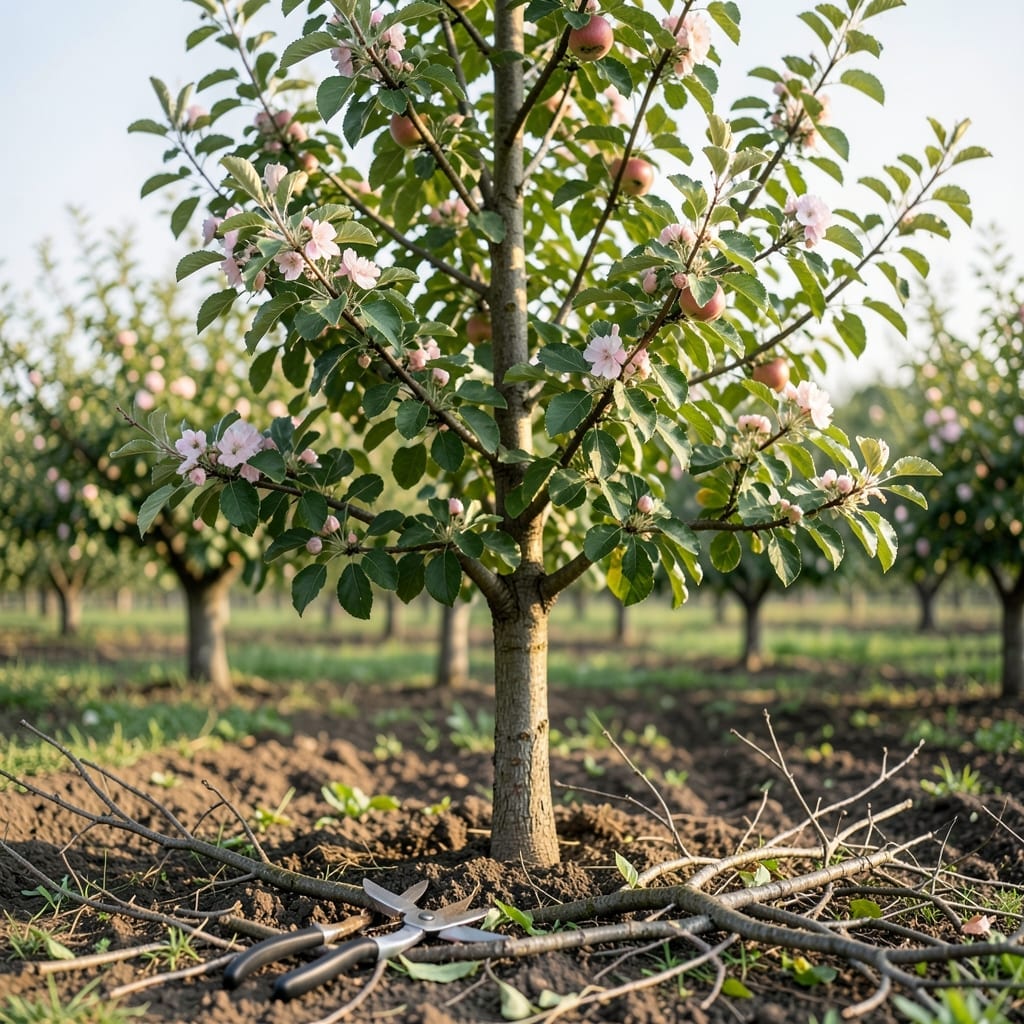
Timing your pruning right can make or break your Apple Tree 🍎 harvest. Cut too early or too late, and you risk disease or stunted growth.
I’ve seen firsthand how a well-timed trim transforms a struggling tree into a productive powerhouse. The secret lies in working with the tree’s natural cycle, not against it.
Discover the seasonal sweet spot that keeps your trees healthy and your fruit baskets full. Let me show you exactly when to make those crucial cuts.
I always recommend late winter to early spring as the prime window for pruning apple trees. This timing aligns with the tree’s dormancy period, just before new growth begins.
The tree is still inactive but about to wake up, making it the perfect moment to shape it without stressing the plant. It also minimizes the risk of disease spread through fresh cuts.
| Season | Best For | Avoid |
|---|---|---|
| Late Winter | Major pruning, shaping | Freezing temps |
| Early Spring | Light trimming, cleanup | After buds swell |
| Summer | Minor touch-ups | Heavy pruning |
| Fall | Deadwood removal | Major cuts |
In cold climates, I never prune in fall or winter. Fresh cuts can’t heal properly, leaving the tree vulnerable to frost damage and fungal infections.
For warmer regions, a light summer trim can help control vigorous growth. I’ve found this especially useful for dwarf apple trees that need frequent shaping.
Early spring pruning boosts fruit production by directing energy to the most productive branches. I’ve seen 30% larger harvests when timing aligns with bud break.
Always check your local frost dates. In USDA zones 5-8, late February to early March is usually ideal. But if a late frost is forecast, I wait until it passes.
Remember, diseased or dead wood can be removed anytime. Don’t wait for the perfect season—remove it immediately to protect tree health.
Young trees need formative pruning to establish a strong structure. I focus on creating an open center for better air circulation and sunlight penetration.
Mature trees benefit from thinning cuts to reduce crowding. This improves fruit quality and reduces the risk of branch breakage under heavy fruit loads.
Proper timing also helps prevent pest infestations. Many insects lay eggs in fresh cuts, so pruning in late winter disrupts their life cycle before they become active.
I’ve found that seasonal pruning keeps apple trees thriving. Each season offers unique opportunities to shape your tree and boost its health. Let me walk you through the best practices for every time of year.
In late winter, I focus on removing dead or diseased wood before new growth starts. This is also the time to shape the tree’s structure for better airflow and sunlight penetration.
During early spring, I switch to light pruning to clean up any remaining issues. This is when I thin out crowded branches to ensure each limb gets enough light and air.
For summer pruning, I keep it minimal. A light trim helps control vigorous growth, especially for dwarf varieties. It’s also a good time to remove water sprouts or suckers.
In fall, I limit pruning to removing dead or damaged wood. Major cuts can stimulate new growth that won’t harden off before winter, making the tree more susceptible to cold damage.
Always use sharp, clean tools to make precise cuts. I recommend bypass pruners for smaller branches and a pruning saw for thicker limbs. Disinfect tools between cuts to prevent disease spread.
For young trees, focus on establishing a strong framework. I aim for an open-center shape to encourage a balanced structure. Mature trees benefit from thinning cuts to improve fruit quality and reduce stress on branches.
Remember, pruning at the right time prevents pest problems. Many insects are less active in late winter, so cuts heal before pests become a threat.
Finally, observe your tree throughout the year. Each apple tree is unique, and adjusting your approach based on its growth patterns will yield the best results ✂️