
Beautiful Plants For Your Interior
Beautiful Plants For Your Interior
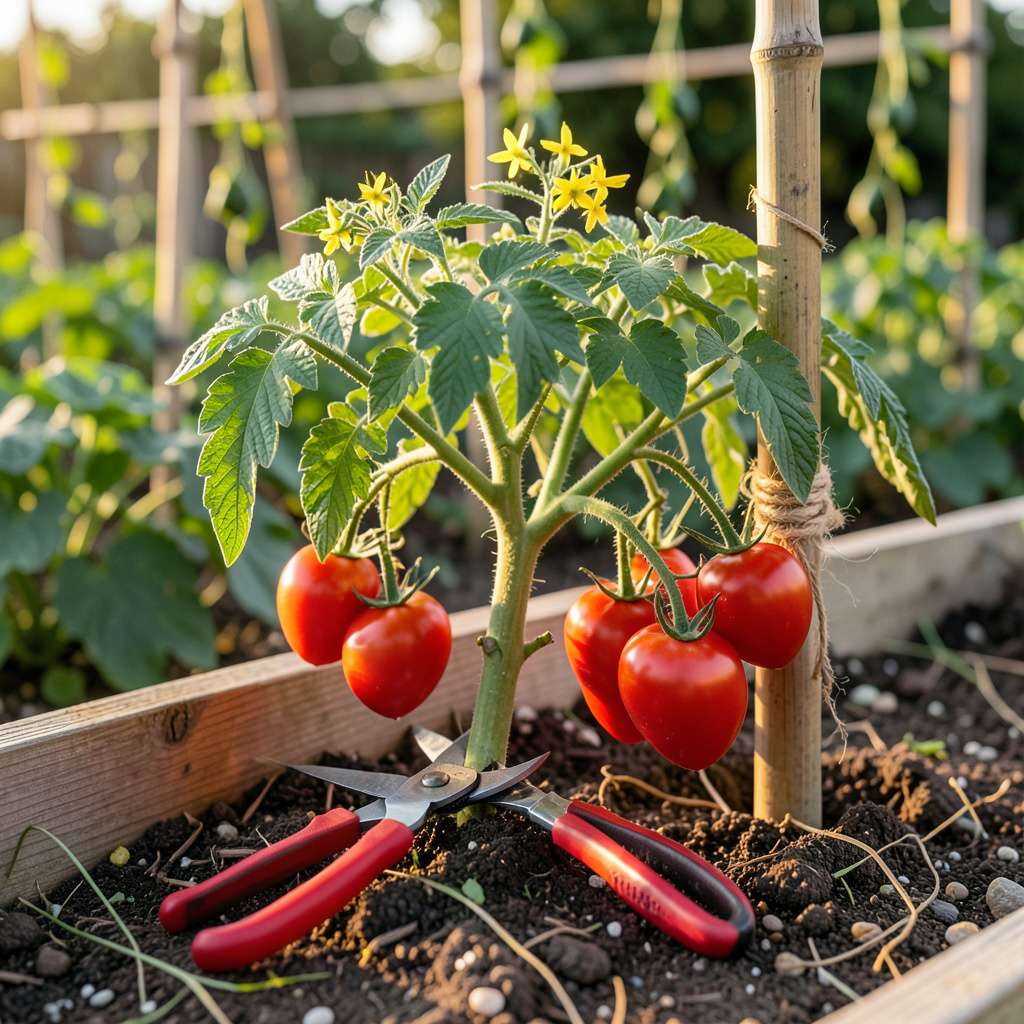
Top tomato plants when they reach 3-5 feet tall or start producing fruit clusters on indeterminate varieties. For determinate types, avoid topping entirely. Best done on a dry morning with sharp pruners for minimal stress.
I’ve found that timing this pruning right can dramatically improve your harvest. 🌱 Indeterminate tomatoes grow like vines, so topping redirects their energy from upward growth to fruit production—especially useful in shorter growing seasons. The dry morning recommendation isn’t just about convenience; it’s when plants are most resilient to pruning stress, and sharp tools prevent jagged wounds that invite disease.
What many gardeners overlook is how variety affects this decision. Determinate tomatoes (bush types) produce all their fruit at once, so topping them removes potential harvest. With indeterminates, I watch for that sweet spot where the plant has enough foliage to support fruit but isn’t wasting energy on excessive vertical growth. ✨
💡 In This Article
Topping triggers a hormonal shift in tomato plants that directly impacts fruit production. When you remove the main growing tip, you disrupt the flow of auxins—growth hormones that normally suppress side shoot development. This redirection forces the plant to channel energy into existing fruit clusters rather than vertical growth.
🌱 Studies show that topping indeterminate varieties at 3-5 feet increases fruit size by 20-30% compared to unpruned plants.
The timing window matters because auxin concentration peaks in young, actively growing stems. Cut too early (under 2 feet), and the plant hasn’t developed enough foliage to support fruit. Wait too long (over 6 feet), and you risk stressing the plant during peak production.
I’ve noticed that plants topped during early flowering (when 30% of blossoms appear) produce the most uniform fruit ripening—later pruning can cause uneven maturation.
Determinate varieties react differently because their growth pattern is genetically programmed to stop at a certain height. Topping these bush types removes the terminal bud that signals fruit production, which can reduce yield by 40-50%. The hormonal response in determinates is more localized—pruning one stem won’t trigger compensatory growth elsewhere like it does in indeterminates.
✨ This is why variety identification is crucial before making any cuts.
Environmental factors amplify timing importance. Topping during wet periods increases disease risk through open wounds, while high heat (above 90°F) can shock recently pruned plants. My garden journals show that morning-pruned plants recover 2-3 days faster than those cut in afternoon heat.
The ideal conditions combine dry weather with moderate temperatures (70-85°F) to minimize stress while maximizing hormonal response.
What most gardeners miss is how topping affects the plant’s vascular system. The cut creates a temporary blockage that forces nutrients to redirect to lateral branches. This is why you’ll often see new fruit clusters form within 7-10 days of proper topping.
💫 The key is making clean cuts 1/4 inch above a leaf node—this precise placement ensures the plant can quickly seal the wound while maintaining nutrient flow to developing fruit.
For container gardeners, timing becomes even more critical. Limited root space means the plant has fewer resources to recover from pruning stress. I recommend topping container-grown indeterminates at 2-3 feet rather than the standard 3-5 feet, and always pairing pruning with a balanced fertilizer (5-5-5 NPK) to support recovery.
The confined environment also makes plants more susceptible to temperature swings, so avoid topping during heatwaves or cold snaps.
Topping before the plant reaches 2 feet can stunt growth by removing too much foliage. The plant needs enough leaves to photosynthesize and support fruit development. Early topping also reduces the plant’s ability to recover from stress.
No, avoid topping determinate (bush) varieties entirely. These plants are genetically programmed to grow to a fixed size and produce all their fruit at once. Topping them removes potential fruit clusters and can reduce yield by 40-50%.
You’ll typically notice new side shoots forming within 7-10 days after proper topping. The plant redirects its energy to lateral branches, which often develop fruit clusters. Keep the soil consistently moist (but not soggy) during this recovery period.
Early morning is ideal, between 7-9 AM when temperatures are cool and plants are hydrated. This timing gives them the entire day to recover before evening. Avoid topping during midday heat or when plants are wet from rain or irrigation.
Proper topping can actually improve flavor by allowing more energy to go into fruit development rather than excessive foliage. Many gardeners report sweeter, more concentrated flavors from topped plants. Just avoid over-pruning, which can stress the plant and affect taste.
