
Beautiful Plants For Your Interior
Beautiful Plants For Your Interior
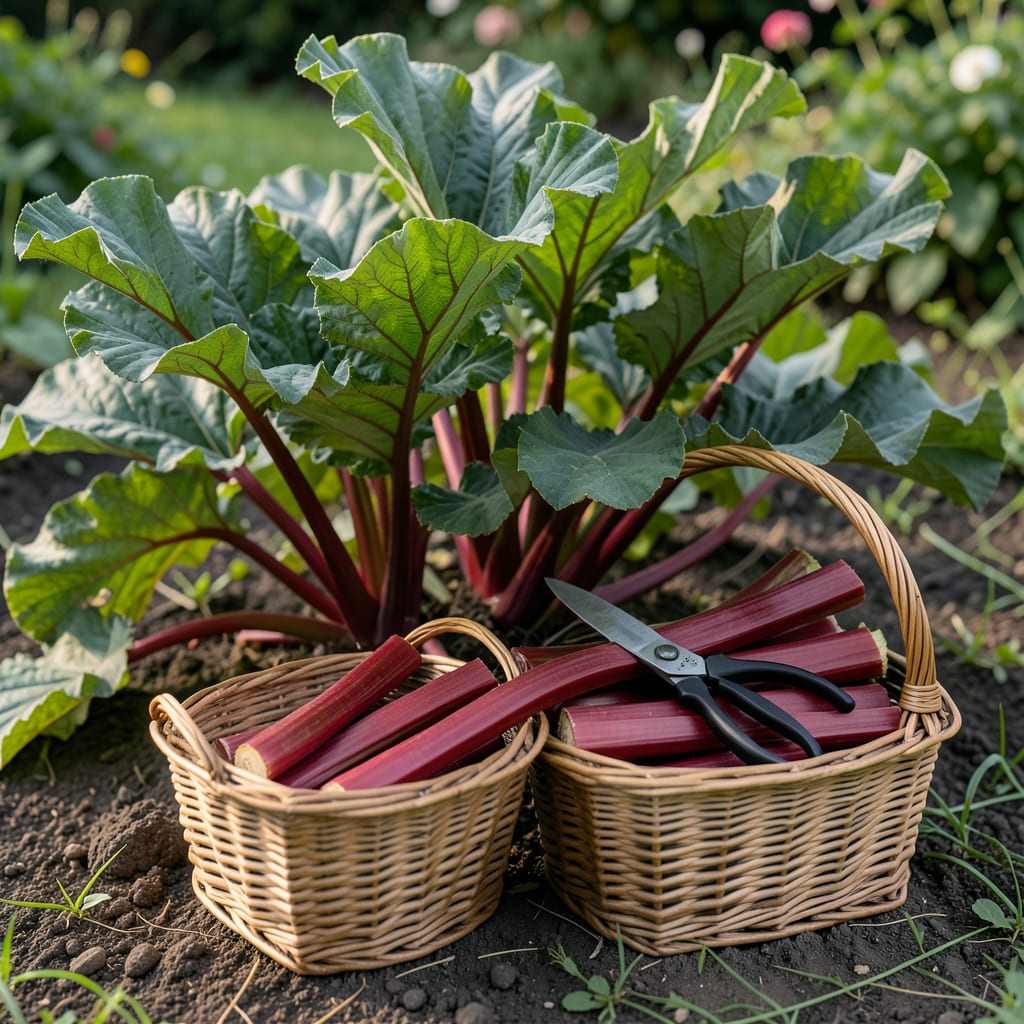
I used to overpick my rhubarb until I learned the key signals that tell me when to stop. It’s not just about this year’s harvest, but protecting next year’s growth too.
With 🌱 rhubarb, timing is everything. I’ll show you exactly when to call it quits so your plant stays healthy and productive for seasons to come.


I’ve learned that rhubarb plants need time to recover after a productive harvest season. Picking stalks too long into the year can exhaust the plant’s energy reserves. This is when knowing the seasonal signals becomes crucial for long-term health. 🌱
In my garden, I watch for slowing stalk growth and thinning stems as the first clues. These signs mean the rhubarb crown is diverting energy to root storage rather than new growth. This typically happens in late June or early July, depending on your climate. 🌿
| Signal | Description |
|---|---|
| Stalk Thinning | Stalks become spindly and weak |
| Slow Growth | New stalks grow slower or stop |
| Leaf Yellowing | Leaves turn yellow or brown |
| Late Season | After early summer in most zones |
Another clear indicator is when the rhubarb leaves start to yellow or develop brown edges. This foliar change signals the plant is preparing for dormancy. Continuing to harvest at this stage can stress the roots and reduce next year’s yield. ✂️
I also pay attention to the calendar. In most regions, stop harvesting about 8-10 weeks before the first expected frost. This gives the plant time to store energy in its roots for winter survival and spring regrowth.
The stalk diameter offers another clue. When new stalks emerge thinner than a pencil, it’s a sign to stop. These weak stalks won’t recover well and can leave the plant vulnerable to disease.
I’ve noticed that mature rhubarb plants (3+ years old) can handle a slightly longer harvest window than younger ones. However, even established plants need this rest period to maintain productivity. Always leave at least 1/3 of the stalks unharvested.
In hotter climates, like USDA zones 7-8, the harvest window may end earlier due to heat stress. Watch for wilting or drooping leaves as additional signs to cease picking. The plant’s energy goes toward survival rather than growth in extreme heat.
Remember, the first year after planting is critical. I never harvest from new plants, allowing them to establish a strong root system. This patience pays off with larger, more productive plants in subsequent years.
By observing these visual and seasonal cues, I ensure my rhubarb remains vigorous. This approach has given me consistent yields year after year, with plants that thrive for decades. 🌱
Over-harvesting rhubarb late in the season can weaken the root system significantly. I’ve seen plants struggle to bounce back the following year when pushed too hard. The energy reserves stored in the roots get depleted, leaving the plant vulnerable.
The most obvious consequence is reduced yields the next growing season. Your rhubarb plant needs time to recover and store energy for future growth. Without this rest period, you’ll notice thinner stalks and fewer harvests. 🌱
⚠️ Late Harvest Warning
Picking rhubarb after mid-summer can stress the plant. Stop harvesting by late June or early July to allow recovery. Over-picking leads to weak growth and disease susceptibility.
Another risk is increased pest and disease susceptibility. A stressed rhubarb plant can’t fend off fungal infections or pest attacks as effectively. I always recommend stopping harvests when the stalks become thin or the leaves start yellowing.
If you’ve already over-harvested, don’t panic. You can help your plant recover by providing extra care. I’ve had success with deep watering and a balanced fertilizer to replenish nutrients. This gives the plant a fighting chance to rebound. 🌿
Remember, rhubarb is a perennial, meaning it comes back year after year. Treat it well, and it will reward you with abundant harvests for 10-15 years or more. The key is knowing when to stop and let it rest.
In my experience, observing the plant’s signals is the best guide. When the stalk growth slows and the leaves lose their vibrancy, it’s time to call it a season and let your rhubarb prepare for next year. ✂️
Once I stop harvesting my rhubarb, I focus on helping it recover for next year. The post-harvest period is critical for rebuilding the plant’s energy reserves. Proper care now means bigger yields next season. 🌱
I always start by removing any remaining flower stalks. These divert energy from root storage, so I cut them at the base as soon as I see them. This simple step helps redirect nutrients where they’re needed most.
Next, I give my rhubarb plants a good feeding. A balanced fertilizer like 10-10-10 helps replace nutrients lost during harvest. I apply it in early morning for best absorption, then water deeply to help it reach the roots. 🌿
I also
Finally, I add a thick layer of mulch around the base of each plant. This helps retain moisture, suppress weeds, and protect the roots as temperatures drop. With these steps, my rhubarb enters dormancy strong and ready for next year. ✂️
Watch for thinning stalks or yellowing leaves. These are clear signs your plant needs to rest and store energy for next year.
Never harvest from new plants. Let them establish a strong root system first. This patience ensures better yields in future years.
Over-picking weakens the roots and reduces next year’s yield. It also makes the plant more susceptible to pests and diseases.
Always leave at least 1/3 of the stalks. This ensures the plant has enough foliage to photosynthesize and recover.
