
Beautiful Plants For Your Interior
Beautiful Plants For Your Interior
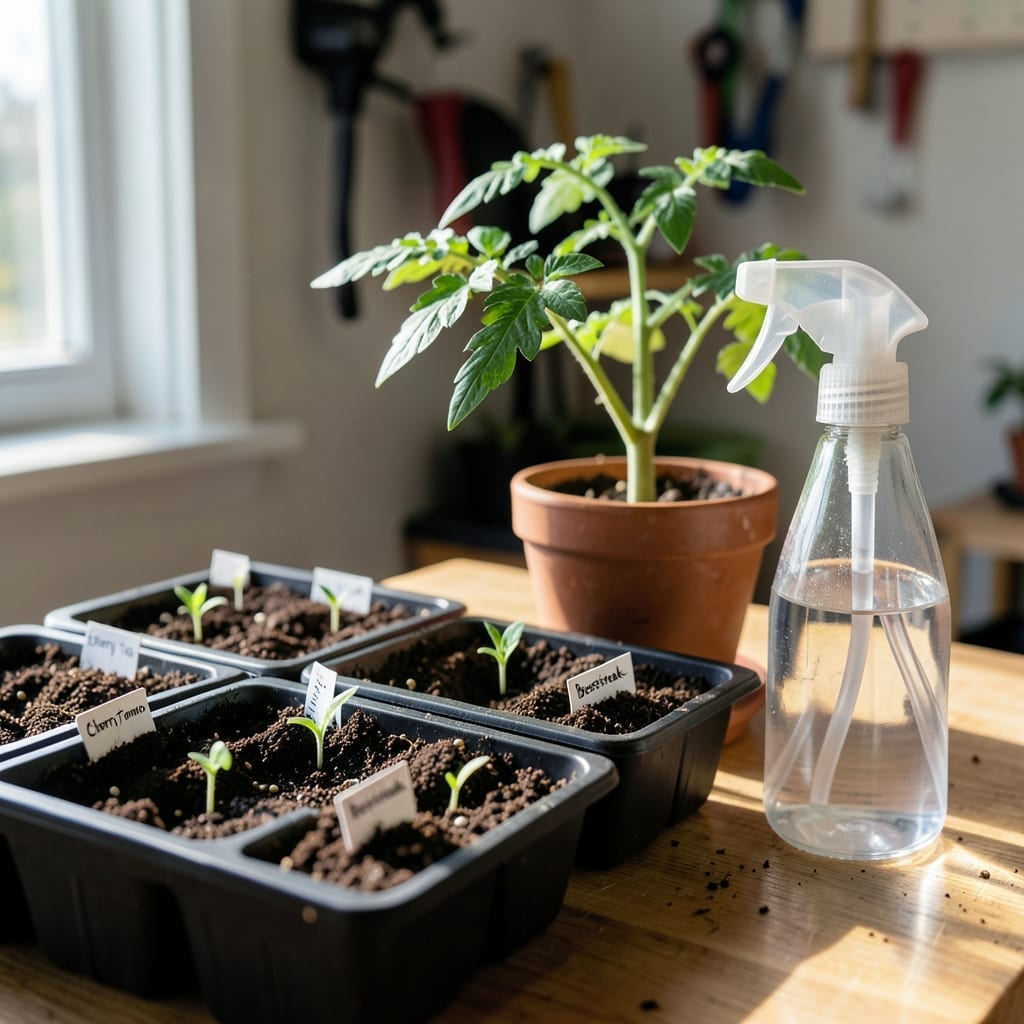
Timing is everything when starting seeds indoors—plant too early and you’ll have leggy 🌱 General Seedlings, too late and you’ll miss your growing season. This guide helps you nail the perfect timing.
For most gardeners in zone 6, the sweet spot is 6-8 weeks before your last frost date. That’s typically February through April for spring planting.
Discover how to adjust for different plant types and avoid common mistakes that sabotage young seedlings. Let’s get your indoor growing off to a strong start.
Getting your timing right means understanding your USDA hardiness zone and counting backward from your last frost date. For most gardeners, starting 6-8 weeks before the last frost gives seedlings enough time to grow strong without getting leggy.
In zone 6, where the last frost typically hits around April 15, that means beginning indoor sowing in mid-February for many plants. But this varies by plant type and local microclimates. 🌱
| Zone | Last Frost Date | Start Indoors | Example Plants |
|---|---|---|---|
| 3-4 | May 15 | March 1-15 | Tomatoes, Peppers |
| 5-6 | April 15 | February 15-March 1 | Broccoli, Cabbage |
| 7-8 | March 15 | January 15-February 1 | Eggplant, Herbs |
| 9-10 | February 15 | December 15-January 1 | Lettuce, Radishes |
For cool-season crops like kale and spinach, you can start seeds even earlier—10-12 weeks before the last frost—to get a head start on spring harvests.
In warmer zones like 9-10, gardeners often start seeds in late winter for early spring planting. But be mindful of heat-tolerant varieties that may need different timing.
Always check your seed packets for specific recommendations. Some plants, like peppers and eggplants, need a longer indoor period—8-10 weeks—because they grow more slowly.
If you’re in a region with unpredictable weather, consider starting seeds in batches. This way, if one group fails due to a late frost, you’ll have backups ready to go.
Using a heating mat can speed up germination, especially for warmth-loving plants. I’ve found this particularly helpful for tomatoes and peppers in cooler homes. ☀️
Don’t forget to harden off your seedlings before transplanting. This means gradually exposing them to outdoor conditions over 7-10 days to prevent shock.
For the best results, keep a gardening journal to track what works in your zone. Note the exact dates you start seeds and how long they take to germinate and grow. 🌿
Not all plants grow at the same pace, so adjusting your indoor seed starting schedule is key. Slow-growers like tomatoes and peppers need 8-10 weeks indoors before transplanting. 🌱
Fast-growers such as lettuce and radishes can be started just 4-6 weeks before the last frost. This prevents them from outgrowing their containers.
Succession planting extends your harvest. For bush beans, I sow new seeds every 2-3 weeks to ensure continuous production throughout the season.
For heat-loving plants like eggplant, starting too early can lead to overgrown seedlings. Aim for 8 weeks indoors, then transplant after all danger of frost has passed.
Cool-season crops such as spinach and kale can be started 10-12 weeks before the last frost. They tolerate cooler temperatures and can even be planted outdoors earlier.
Always refer to your seed packet for the most accurate timing. I’ve found that local gardening groups are also a great resource for zone-specific advice. ☀️
Remember, light conditions affect growth speed. If your seedlings aren’t getting enough light, they may grow more slowly, requiring an earlier start. Use grow lights to maintain consistent growth rates. 🌿