
Beautiful Plants For Your Interior
Beautiful Plants For Your Interior
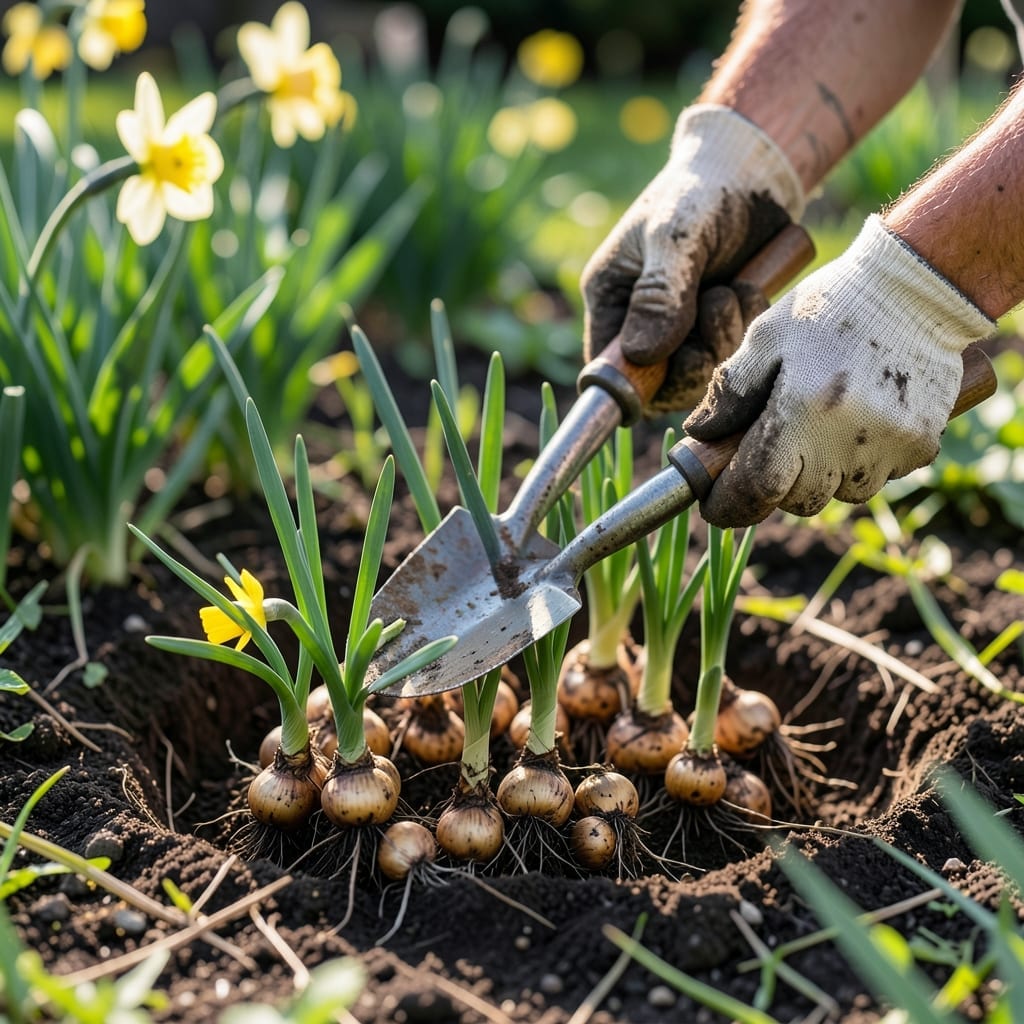
Is your Daffodil 🌷 patch looking a little lackluster lately? Overcrowded bulbs might be the culprit. When these spring beauties get too cozy, they produce fewer blooms and lose their vigor.
I’ve learned that timing is everything when it comes to splitting. Do it right, and you’ll be rewarded with more vibrant flowers next season. The trick is knowing exactly when to intervene.
Discover the telltale signs and perfect timing to divide your Daffodils for healthier, happier plants. Your garden will thank you.
Timing your Daffodil division perfectly ensures healthier plants and more blooms next season. I always aim for late spring to early summer, about 6-8 weeks after flowering.
This period allows the bulbs to store enough energy for next year while giving them time to establish roots before winter. The foliage should be yellowing but not completely dead.
In USDA zones 3-9, this timing works well, but I adjust slightly for extreme climates. Cooler zones may need to wait until early summer to ensure the soil is warm enough.
The soil should be dry when you dig, making it easier to lift bulbs without damage. I always check that the foliage has started to die back naturally.
If you split too early, you risk reducing next year’s blooms because the bulbs haven’t stored enough energy. Conversely, waiting too long can make the bulbs harder to find in the soil.
For container-grown Daffodils, the same timing applies, but I find they may need splitting more frequently—every 2-3 years—due to limited space.
After splitting, I give the newly planted bulbs a good watering to help them settle. This encourages root growth before the bulbs enter dormancy.
Remember, the goal is to minimize stress on the plants. By following this seasonal rhythm, you’ll maintain vigorous, bloom-filled Daffodils for years to come. 🌷
I’ve found that marking the location of your bulbs with small stakes helps avoid accidentally digging them up later. This simple step saves a lot of heartache! 🌱
Your Daffodils might be crying out for division without you realizing it. I’ve found that reduced blooming is the first red flag—when your once-vibrant patch starts producing fewer flowers, it’s time to investigate.
Overcrowded foliage is another telltale sign. If the leaves are so dense that they’re competing for space, the bulbs beneath are likely packed in too tightly. 🌿
I also watch for smaller flowers. When Daffodil blooms start shrinking year after year, it’s a clear indicator that the bulbs are struggling due to overcrowding.
Yellowing leaves can be tricky—while some yellowing is natural post-bloom, excessive or early yellowing may signal that the bulbs are stressed and need more room to thrive.
Another obvious sign is when bulbs start pushing above the soil surface. This happens as the clump expands and the bulbs get forced upward, making them more vulnerable to damage.
Lastly, if your Daffodil clumps are spreading aggressively beyond their designated space, it’s a sure sign they need dividing. This is especially common in well-established gardens where bulbs have multiplied over the years.
I make it a habit to inspect my Daffodils every spring. Catching these signs early means I can plan my division at the optimal time, ensuring my plants stay healthy and productive. ☀️