
Beautiful Plants For Your Interior
Beautiful Plants For Your Interior
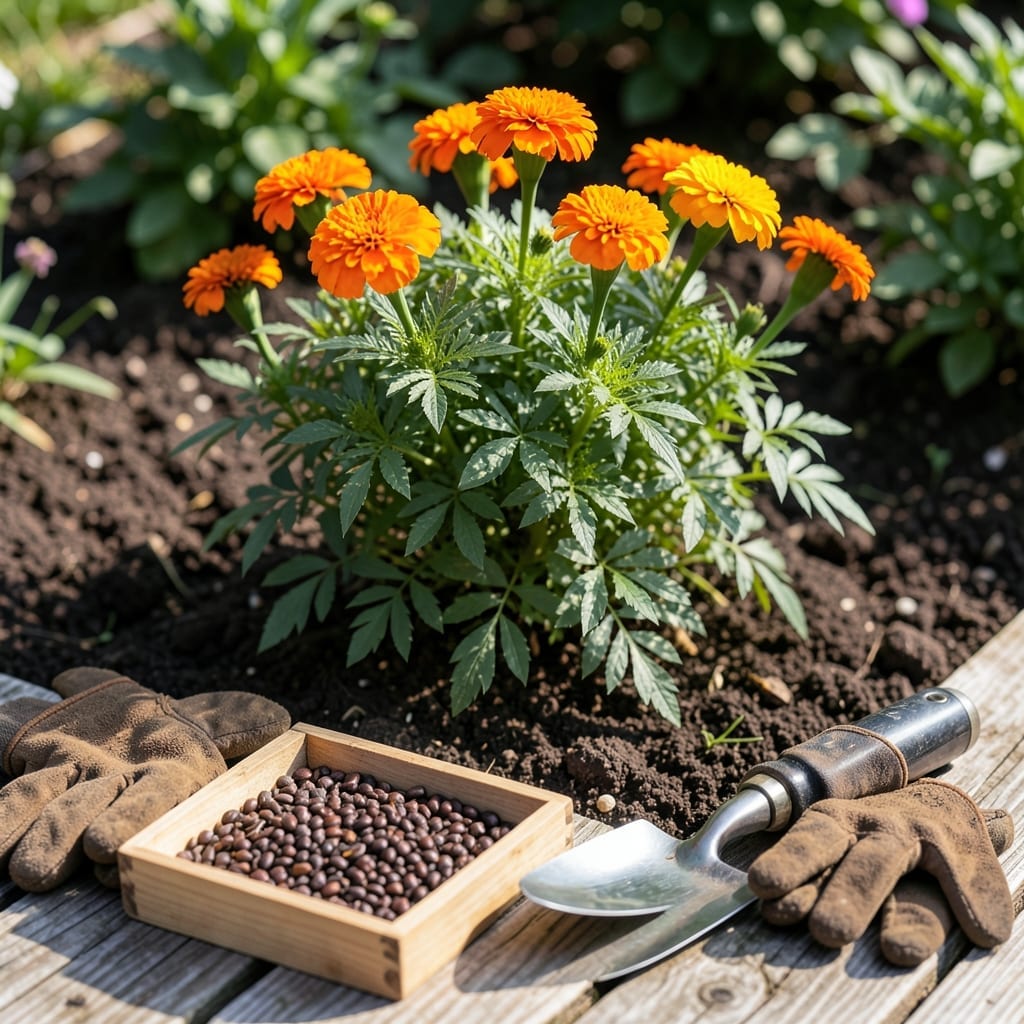
Timing is everything when growing marigolds. Plant too early and frost might ruin your 🌼 seedlings; wait too long and you’ll miss peak blooms.
I’ve learned that April to May is the sweet spot for most zones, but your exact window depends on local climate. These vibrant flowers thrive when soil warms to 60°F.
Discover the best approach for your area, whether starting indoors or sowing directly outside. Let’s ensure your marigolds burst with color all season.
Getting the timing right for marigold seeds is key to vibrant, healthy blooms. I always check my USDA hardiness zone first, as frost dates vary widely across regions. These cheerful flowers need warm soil to thrive.
For most gardeners, April through May works perfectly for direct sowing. But in cooler zones, starting indoors 6-8 weeks before the last frost gives seedlings a head start. The soil must reach at least 60°F for best germination.
| Zone | Indoor Start | Outdoor Sow |
|---|---|---|
| Zones 1-3 | March-April | May-June |
| Zones 4-6 | February-March | April-May |
| Zones 7-9 | January-February | March-April |
| Zones 10-11 | December-January | February-March |
In warmer zones like 7-11, marigolds can even bloom year-round with proper care. I’ve found that French marigolds germinate faster in these climates, often sprouting in just 5-7 days with consistent moisture.
For cooler regions, wait until all danger of frost has passed. A soil thermometer is my go-to tool to confirm temperatures. Remember, marigolds hate cold—one light frost can set them back weeks.
If starting indoors, use peat pots for easy transplanting. Place seed trays in a sunny window or under grow lights. Keep the soil evenly moist but not soggy to prevent damping off.
Direct sowing works best when soil is 70°F or warmer. I scatter seeds about 1/4 inch deep and 6 inches apart, then lightly cover them. Thin seedlings to 12 inches once they have true leaves.
In hot climates, afternoon shade helps prevent heat stress. Marigolds in Zone 10 might need protection from intense sun. Mulching with organic matter keeps roots cool and conserves moisture.
For fall blooms, sow seeds in late summer. In Zone 6, I plant in August for a second wave of color. This works especially well with signet marigolds, which tolerate cooler temps.
Always check your local frost dates for precision. My gardening journal helps track what works best each year. With the right timing, you’ll enjoy marigolds from early summer through fall 🌼
To get the best results with marigold seeds, I always start with well-draining soil that’s been loosened to a depth of about 6 inches. This helps the roots establish quickly and prevents waterlogging, which can rot the seeds before they even sprout.
For direct sowing, I wait until the soil temperature reaches at least 60°F. I plant the seeds 1/4 inch deep and space them about 6 inches apart. If I’m starting indoors, I use seed trays with a light seed-starting mix and keep them in a warm, sunny spot.
I’ve found that mist sprayers work better than watering cans for seedlings, as they prevent the seeds from being dislodged. Keep the soil consistently moist until germination, which typically takes 5-14 days depending on the variety and conditions.
Once the seedlings emerge, I reduce watering slightly but ensure they still get enough to prevent wilting. If starting indoors, I harden off the seedlings by gradually exposing them to outdoor conditions over 7-10 days before transplanting.
Marigolds are low-maintenance once established, but they do best with regular deadheading to encourage continuous blooming. I also add a layer of mulch to retain moisture and suppress weeds, which keeps the plants healthier and more vibrant 🌼