
Beautiful Plants For Your Interior
Beautiful Plants For Your Interior
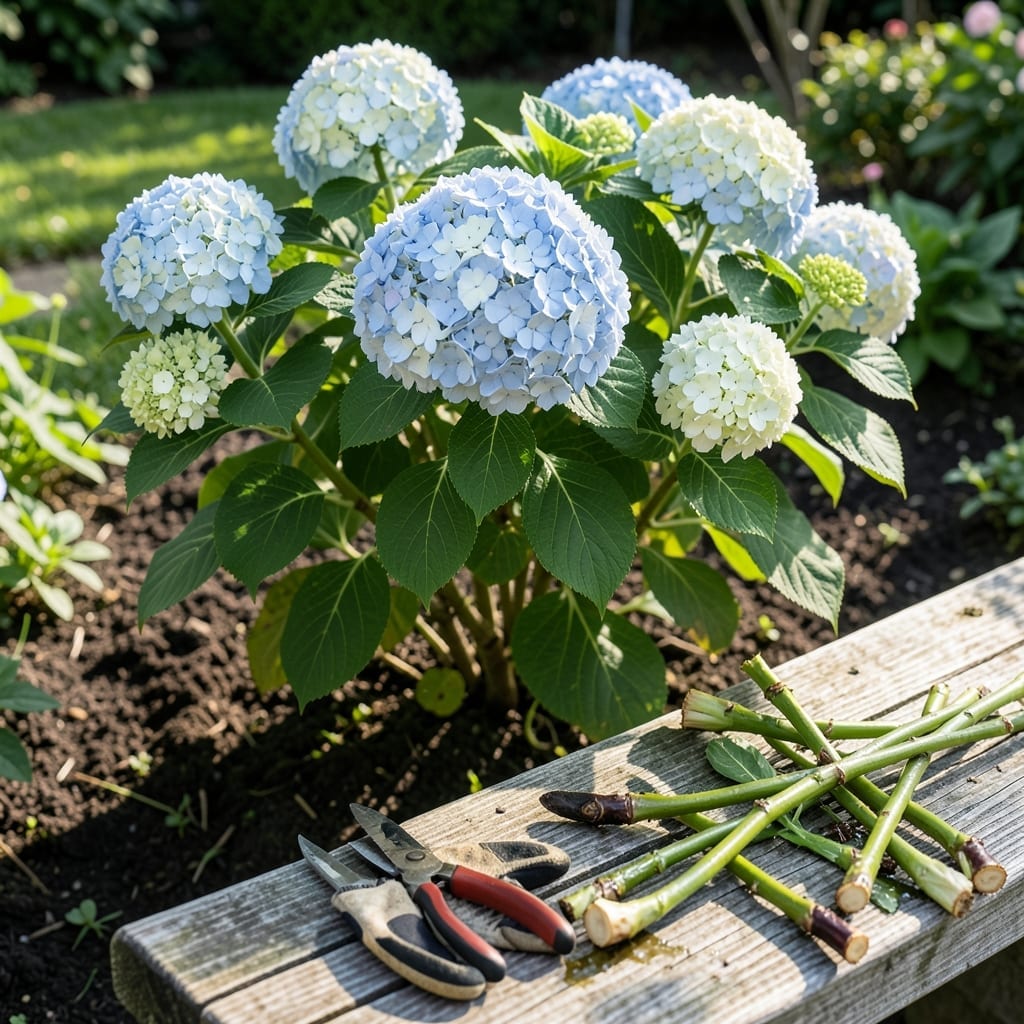
Pruning your 🌸 Hydrangea at the wrong time can mean a season without blooms. That’s a risk no gardener wants to take, especially when a little knowledge can make all the difference.
I’ve seen firsthand how proper timing transforms a struggling bush into a flourishing centerpiece. The trick lies in understanding your specific variety and its unique growth habits.
Discover how to sync your pruning schedule with your Hydrangea’s natural cycle. It’s the game-changer for vibrant, healthy growth year after year.
The secret to lush hydrangea blooms starts with knowing your variety. I learned this the hard way when my bigleaf hydrangeas refused to flower after a winter prune. Each type has unique needs.
Bigleaf hydrangeas bloom on old wood, so pruning after August risks cutting off next year’s flowers. Panicle hydrangeas, however, thrive with late winter or early spring pruning.
| Hydrangea Type | Blooms On | Best Pruning Time |
|---|---|---|
| Bigleaf | Old wood | After flowering, before August |
| Panicle | New wood | Late winter or early spring |
| Oakleaf | Old wood | After flowering, before August |
Oakleaf hydrangeas also bloom on old wood, just like bigleaf. This means they share the same pruning window: right after blooming but never in late summer or fall.
For panicle hydrangeas, like the popular ‘Limelight’ variety, I recommend pruning in late February to early March. This gives new growth time to develop before summer blooms.
If you’re unsure which type you have, observe when it blooms. Spring bloomers likely need old-wood care, while summer bloomers on new wood can handle a harder prune.
In my experience, light pruning is always safer than aggressive cuts. For bigleaf and oakleaf, focus on removing dead wood and shaping rather than heavy trimming.
For panicle types, you can be more aggressive—cutting back by one-third encourages stronger stems and larger blooms. Just avoid pruning after mid-summer to protect next year’s flowers.
Remember, local climate matters too. In colder zones, I wait until spring to prune, avoiding frost damage to tender new growth. Warmer climates allow for earlier winter pruning.
Always use sharp, clean tools to make precise cuts. This prevents tearing the bark and reduces disease risk. I keep a bypass pruner handy for this exact reason.
Finally, after pruning, give your hydrangeas a balanced fertilizer to support new growth. This simple step makes a noticeable difference in bloom quality and plant vigor ✂️
Your hydrangea’s location plays a huge role in pruning timing. I’ve found that northern gardeners need to be more cautious than those in warmer zones. The key is working with your local climate patterns.
In cold climates (Zones 3-5), I always wait until spring to prune. This protects the plant from frost damage to new growth that might emerge after a warm spell.
For southern gardeners (Zones 7-9), you have more flexibility. I recommend pruning in late winter when the plant is still dormant but frost danger has passed.
If you’re in a transition zone like Zone 6, pay close attention to weather forecasts. I’ve learned to prune my hydrangeas after the last frost date but before bud break.
In mild winter areas, you might even get away with fall pruning, but I still prefer winter pruning to be safe. This gives the plant time to heal before active growth begins.
Always remember that microclimates matter too. A sheltered spot against a south-facing wall might allow for earlier pruning than an exposed location.
Finally, after pruning, I always apply a 2-3 inch mulch layer to protect the roots and conserve moisture as the plant recovers ✂️