
Beautiful Plants For Your Interior
Beautiful Plants For Your Interior
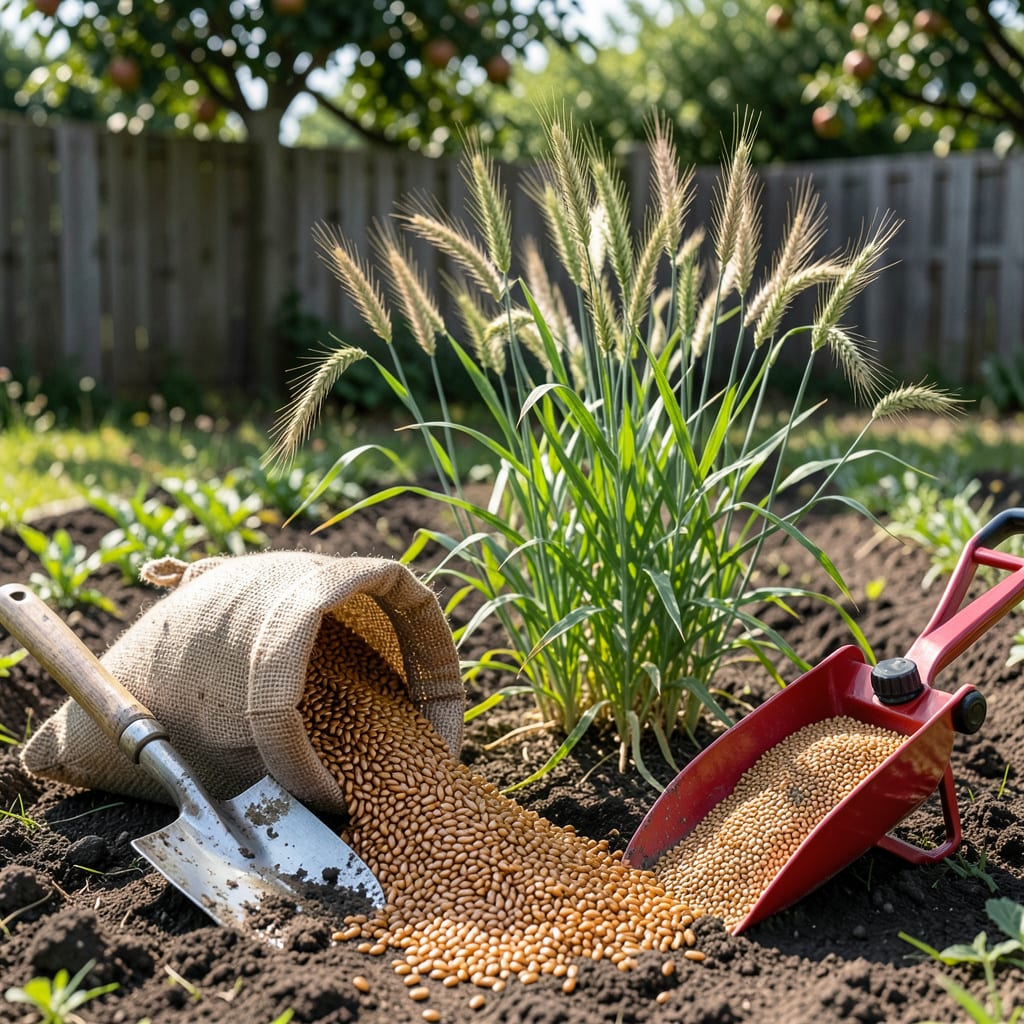
Timing your winter rye planting in North Carolina can make or break your crop. Plant too early, and summer’s lingering heat may stress your seedlings. Wait too long, and frost could sabotage your efforts before roots even establish.
Whether you’re in the Piedmont’s rolling hills or the Coastal Plain’s sandy soils, I’ll help you pinpoint the perfect window for lush growth. We’ll cover soil temps, regional frost patterns, and the 3 critical mistakes most growers make—so you can avoid them.
If you’re planting winter rye in North Carolina, timing is everything. The ideal window hinges on your region—Piedmont gardeners need to plant earlier than Coastal growers. I’ve found that soil temperature (50–65°F) matters more than calendar dates, so keep a thermometer handy!
North Carolina spans USDA zones 6–8a, meaning frost dates vary dramatically. In the Piedmont (like Raleigh), aim for late September to mid-October. Coastal areas (Wilmington) can push planting to early November thanks to milder winters. Plant too early, and heat stress weakens seedlings; too late, and frost may stunt growth.
| Factor | Piedmont (Raleigh, Zone 7b) |
Coastal Plain (Wilmington, Zone 8a) |
|---|---|---|
| Optimal Planting Window | Sept 20–Oct 15 | Oct 10–Nov 5 |
| Avg First Frost | Oct 20 | Nov 10 |
| Soil Temp Goal | 50–60°F | 55–65°F |
| Seeding Rate | 90–100 lbs/acre | 80–90 lbs/acre |
| Risk of Early Planting | Heat stress | Disease pressure |
| Risk of Late Planting | Frost damage | Weak root growth |
*Data sourced from NC Cooperative Extension averages (2014–2023).
In the Piedmont, I recommend planting by October 10 to give rye enough time to establish before the first frost. The Coastal Plain enjoys a longer window—you can safely plant until early November since frosts arrive later. Always check your local frost dates for precision.
Soil prep is key! Test your pH (5.8–7.0) and till to a 4–6 inch depth before broadcasting seeds. For cover crops, use 90–120 lbs/acre; for forage, bump to 120–150 lbs/acre. Lightly rake seeds into the soil—½–1 inch deep—and water gently to avoid washing them away.
Pro tip: If you’re planting after a summer crop, add compost to replenish nutrients. Winter rye thrives in well-draining loam but tolerates clay if amended. In sandy Coastal soils, mix in organic matter to improve moisture retention. I’ve seen rye struggle in compacted soil, so loosen it up first!
Watch the 10-day forecast before planting. If nighttime temps dip below 40°F, hold off—rye seeds germinate poorly in cold soil. Conversely, if daytime highs exceed 80°F, wait for cooler weather to avoid heat stress. A soil thermometer is your best friend here!
For organic growers, winter rye is a superstar. It suppresses weeds, prevents erosion, and fixes nitrogen when tilled in spring. If you’re using it for forage, graze or cut when it reaches 12–18 inches tall. Just avoid overgrazing—leave 4–6 inches to regrow.
Common mistakes? Planting too shallow (seeds dry out) or too deep (poor emergence). Also, don’t skip weed control before seeding—rye hates competition! In the Piedmont, watch for powdery mildew in humid falls; Coastal growers should monitor for rust diseases.
After planting, keep the soil moist but not soggy for 7–10 days. Once established, winter rye is drought-tolerant, but young seedlings need consistent water. Mulch lightly if you’re planting in a home garden to protect seeds from birds.
Need more details? Check out NC State Extension’s guide on winter rye management for variety recommendations and pest control tips. Happy planting—your soil will thank you come spring! 🌱
Planting winter rye in North Carolina seems straightforward—until small errors derail your entire crop. I’ve seen even experienced growers struggle with germination failures or weak stands because of avoidable mistakes. Let’s tackle the top three pitfalls so your rye thrives, whether you’re in Asheville’s mountains or Outer Banks’ sandy soils.
The first blunder? Ignoring soil temperature. Winter rye needs 50–65°F soil to germinate well. Planting when the ground is too warm (above 70°F) causes heat stress, while cold soil (below 45°F) leads to poor emergence. Always use a soil thermometer—don’t guess!
Pro Tip: In Coastal NC, sandy soil dries fast—irrigate lightly for 7–10 days post-planting to ensure germination.
Another critical mistake is using the wrong seeding rate. For cover crops, you need 90–120 lbs/acre; for forage, bump it to 120–150 lbs/acre. Too little seed leads to patchy growth and weed invasion. Too much wastes money and causes overcrowding. Use a broadcast seeder for even distribution, or mix seeds with sand for small plots.
Don’t overlook seed depth—this is where many gardeners fail. Winter rye seeds need ½–1 inch of soil coverage. Plant too shallow, and birds will feast; too deep, and seedlings exhaust their energy before reaching sunlight. I use a light raking after broadcasting to achieve the perfect depth. For drilled planting, set your seeder to 0.5–0.75 inches.
Finally, poor soil prep sabotages even the best-timed plantings. Winter rye thrives in loose, well-draining soil. In the Piedmont’s clay, till to 6–8 inches and add compost. For Coastal sands, mix in organic matter to retain moisture. Compacted soil? Break it up with a broadfork before planting. Trust me—rye roots need room to stretch!
Watch for region-specific challenges. Piedmont growers often battle powdery mildew in humid falls—space rows wider for airflow. Coastal gardeners should scout for rust diseases; plant resistant varieties like ‘Wrens Abruzzi’ if rust is common in your area. Both regions must stay vigilant about armyworms in early spring.
After planting, monitor moisture for the first week. Keep soil consistently damp but not waterlogged. Once established, winter rye is drought-tolerant, but seedlings are vulnerable. Mulch lightly with straw if planting in a home garden to protect seeds and retain moisture. Avoid heavy mulch—it can smother emerging shoots.
Need to troubleshoot? If your rye isn’t sprouting within 7–10 days, check soil moisture and temperature. No growth often means dry soil or cold temps. Yellowing leaves? Likely nitrogen deficiency—side-dress with compost tea. For more help, consult NC State’s winter rye guide or your local extension office. 🌱
Not all winter rye varieties thrive equally in North Carolina’s diverse climates. From the chilly Piedmont to the humid Coastal Plain, choosing the right cultivar can mean the difference between a lush cover crop and a struggling stand. I’ve tested several varieties and found that cold tolerance and disease resistance are key.
For the Piedmont’s colder snaps, I recommend ‘Elbon’—it handles frost like a champ and establishes quickly. Coastal growers should consider ‘Wrens Abruzzi’, which tolerates humidity and resists rust diseases common in sandy soils. Both varieties excel as cover crops or forage, but their strengths align with NC’s microclimates.
*Best for: ‘Elbon’ = Piedmont (Zones 6–7a) | ‘Wrens Abruzzi’ = Coastal (Zones 7b–8a)
If you’re planting for forage, ‘Bates’ is another solid choice—it’s high-yielding and palatable for livestock. For organic gardens, ‘Rymin’ offers excellent weed suppression and nitrogen scavenging abilities. Always source certified seed to avoid weed contaminants.
Seed quality matters! Look for plump, uniform kernels with high germination rates (90%+). Store seeds in a cool, dry place until planting. In NC’s humidity, I’ve seen mold ruin stored seed—use it within 1 year for best results. For small plots, buy from reputable suppliers like Southern Exposure Seed Exchange.
Remember, variety selection is just the first step. Pair it with proper planting timing (Sept–Nov) and soil prep (pH 5.8–7.0) for success. Coastal growers, your sandy soil may need extra irrigation at planting. Piedmont friends, clay amendment is your best friend. Both regions: test your soil before planting!
Need help deciding? Your local NC Cooperative Extension can provide variety trials data for your county. Or try a small test plot with 2–3 varieties to see what thrives in your microclimate. Winter rye is forgiving, but the right variety makes it a low-maintenance powerhouse. 🌱
Winter rye germinates best when soil temps are between 50–65°F. Use a soil thermometer to check—planting in warmer or colder conditions can lead to poor emergence or heat stress.
It depends on your location! In Coastal NC (Zone 8a), early November is fine, but Piedmont growers should aim for late September to mid-October. Late planting risks frost damage before roots establish.
Seeds need ½–1 inch of soil coverage. Too shallow, and birds may eat them; too deep, and seedlings struggle to emerge. Lightly rake after broadcasting for even depth.
Skipping soil prep! Winter rye needs well-draining loam (pH 5.8–7.0). In Piedmont clay, till to 6 inches and add compost. Coastal sands need organic matter to retain moisture.
For Coastal NC’s humidity, ‘Wrens Abruzzi’ resists rust diseases and tolerates sandy soils. It’s less cold-hardy than ‘Elbon’ but thrives in warmer winters.
