
Beautiful Plants For Your Interior
Beautiful Plants For Your Interior
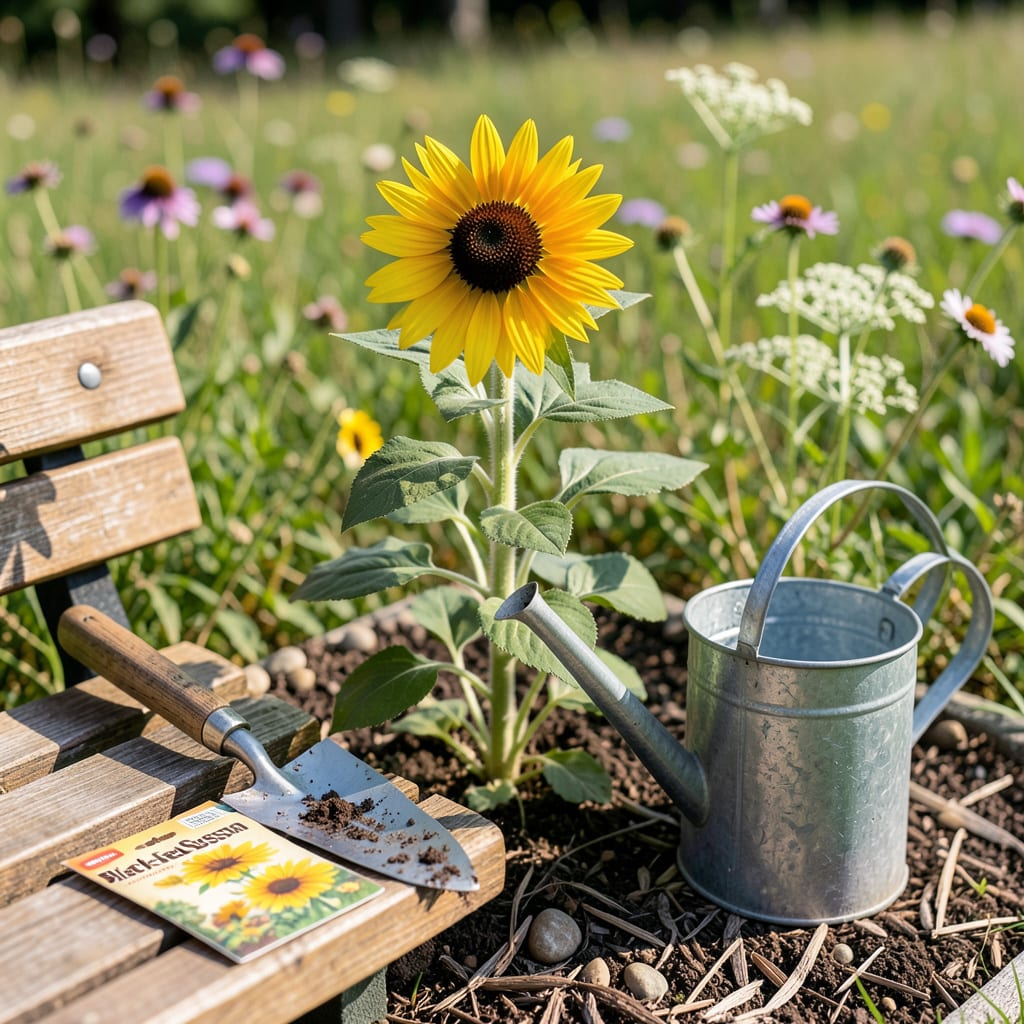
Imagine stepping into your garden next summer to find a sea of vibrant 🌼 Wildflowers swaying in the breeze—all because you nailed the timing. In Zone 7, that dream hinges on when you plant those tiny seeds.
Plant too early, and unpredictable frosts might sabotage your efforts. Wait too long, and your Wildflowers won’t establish roots before winter. I’ll show you the perfect window to ensure your garden bursts with color when it matters most.
Zone 7 gardeners have two prime windows for planting wildflower seeds: spring and fall. Each season offers unique advantages, but timing is critical. Spring planting works best for annual wildflowers like cosmos and poppies, while fall sowing gives perennials a head start.
The key is aligning your planting with Zone 7’s frost dates—typically around April 15 for the last frost and October 15 for the first. Soil temperature matters too: aim for 50-65°F for optimal germination. Let’s break down the best timing for each season.
| Season | Best Months | Soil Temp | Best For | Advantages |
|---|---|---|---|---|
| Spring | March-May | 55-65°F | Annuals (cosmos, poppies) | Quick blooms, less frost risk |
| Fall | Sept-Oct | 50-60°F | Perennials (lupines, milkweed) | Natural stratification, stronger roots |
| Winter | Dec-Feb | 40-50°F | Cold-hardy natives | Dormant seeding, early spring germination |
For spring planting, I recommend sowing seeds 4-6 weeks before your last frost date. In Zone 7, that means late March through April. This timing allows seeds to germinate as soil warms. Annual wildflowers like California poppies and cornflowers thrive with this approach.
Fall planting is my personal favorite for Zone 7. The ideal window is September through early October, when soil is still warm but air temperatures are cooling. This mimics nature’s cycle, allowing seeds to undergo natural stratification during winter for stronger spring growth.
If you’re planting native wildflowers like black-eyed Susans or purple coneflowers, fall sowing gives them time to establish deep roots. I’ve found these perennials perform better when planted in autumn, as they’re adapted to our region’s winter chill.
For those eager to get a jumpstart, winter sowing can work for cold-hardy varieties. Scatter seeds in December or January when soil temperatures hover around 40-50°F. The freeze-thaw cycles help break seed dormancy, leading to earlier spring germination.
Remember that microclimates matter in Zone 7. Urban areas may be 2-3°F warmer than rural spots, allowing for slightly earlier planting. Always check your local frost dates—they can vary by a week or two even within the same zone.
Pro tip: Use a soil thermometer to monitor conditions. When your soil consistently reads 50°F at 2-inch depth, it’s go time for most wildflower seeds. This simple tool takes the guesswork out of timing.
Whether you choose spring or fall, the secret is matching your planting time to the life cycle of your selected wildflowers. Annuals need warm soil to bloom quickly, while perennials benefit from the winter preparation that fall planting provides.
I’ve had my best wildflower displays by combining both approaches—planting some seeds in early spring for quick color and others in fall for long-term establishment. This staggered approach keeps my garden blooming from early summer through frost.
🌼Now that you know the best planting windows for Zone 7, let’s dive into the practical steps to ensure your wildflower seeds thrive. Proper soil preparation is the foundation—skip this step, and you’ll battle weeds and poor germination all season.
I always start by clearing the area of existing vegetation. Use a garden fork to loosen the top 2-3 inches of soil, breaking up any compacted areas. This creates the perfect seedbed for those tiny wildflower seeds to make contact with the earth.
For seed depth, remember that most wildflower seeds need light to germinate. I simply press them into the soil surface without covering. The exception is larger seeds like sunflowers, which benefit from being planted ¼ inch deep.
Watering is critical in the first month. Use a gentle spray to keep the soil consistently moist—think of it like keeping a damp sponge. Once seedlings emerge, you can reduce watering to once a week, unless you’re in a drought period.
I’ve found that morning watering works best in Zone 7. It allows foliage to dry before evening, reducing disease risks. For newly planted areas, I set up a soaker hose on a timer to maintain consistent moisture without disturbing seeds.
Don’t overlook the power of companion planting. Mixing wildflowers with native grasses creates a more resilient meadow. I like to include little bluestem or side-oats grama—they provide structure and support for taller wildflowers.
Remember that wildflowers are low-maintenance, not no-maintenance. The first year requires more attention as plants establish. By year two, you’ll enjoy a self-sustaining ecosystem that attracts pollinators and requires minimal care.
🌿Even experienced gardeners can make mistakes when planting wildflowers in Zone 7. I’ve seen beautiful wildflower dreams turn into weedy disappointments because of simple oversights. The good news? Most issues are easily preventable with the right knowledge and preparation.
One of the biggest mistakes I see is planting at the wrong time. Remember, Zone 7 has a long growing season, but timing still matters. Planting too early risks frost damage, while planting too late means seeds won’t establish before winter.
Skipping soil prep leads to poor germination and weed competition. Always clear existing vegetation and loosen soil to 2-3 inches deep before sowing.
Most wildflower seeds need light to germinate. Press them into soil surface but don’t bury. Exceptions are larger seeds like sunflowers (¼ inch deep).
Soggy soil causes seeds to rot. Keep soil consistently moist (like a damp sponge) for 4-6 weeks, then reduce to weekly watering once established.
Not all wildflowers thrive in Zone 7. Stick with native varieties like black-eyed Susans or adaptable species like cosmos that handle our climate.
Most wildflowers need full sun (6+ hours). Planting in shady spots leads to leggy, weak plants with fewer blooms. Test sunlight before sowing.
Another common pitfall is using poor-quality seeds. I always recommend buying from reputable suppliers who specialize in native wildflower mixes for Zone 7. Cheap seed mixes often contain fillers or non-native species that won’t thrive in our climate.
Many gardeners also underestimate weed competition. Wildflower seedlings are delicate and can’t compete with established weeds. I combat this by solarizing the soil for 2 weeks before planting—simply cover the area with clear plastic to kill weed seeds.
Don’t forget about seed distribution. Uneven sowing leads to patchy results. My trick is mixing seeds with sand (1:4 ratio) for better visibility and distribution. I divide the mix in half and sow in perpendicular directions for even coverage.
Finally, many people give up too soon. Wildflowers take time to establish. First-year blooms may be sparse, but by year two, you’ll see a dramatic improvement as perennials mature and self-seeding annuals naturalize.
🌱Remember, wildflowers are low-maintenance, not no-maintenance. The first growing season requires the most attention. Once established, your wildflower meadow will reward you with years of color while supporting local pollinators.
Fall planting is often ideal for Zone 7’s climate. The September-October window allows seeds to naturally stratify during winter, leading to stronger spring growth. Spring works best for annuals needing warm soil to bloom quickly.
Use a soil thermometer to check at 2-inch depth. Ideal temperatures are 50-65°F for most wildflowers. In Zone 7, this typically occurs in late March for spring planting and early September for fall.
Late planting risks seeds not establishing before winter. They may fail to germinate or produce weak plants. For Zone 7, avoid planting after mid-November—seeds need time to develop roots before the first frost.
Yes, but choose species with similar sunlight and water needs. In Zone 7, pair drought-tolerant natives like black-eyed Susans with cosmos or poppies. Avoid mixing aggressive spreaders with delicate varieties to prevent competition.
Annual wildflowers typically bloom within 60-90 days when planted in spring. Perennials may take 1-2 years to establish and flower. Fall-planted seeds often bloom earlier the following season due to winter stratification.
