
Beautiful Plants For Your Interior
Beautiful Plants For Your Interior
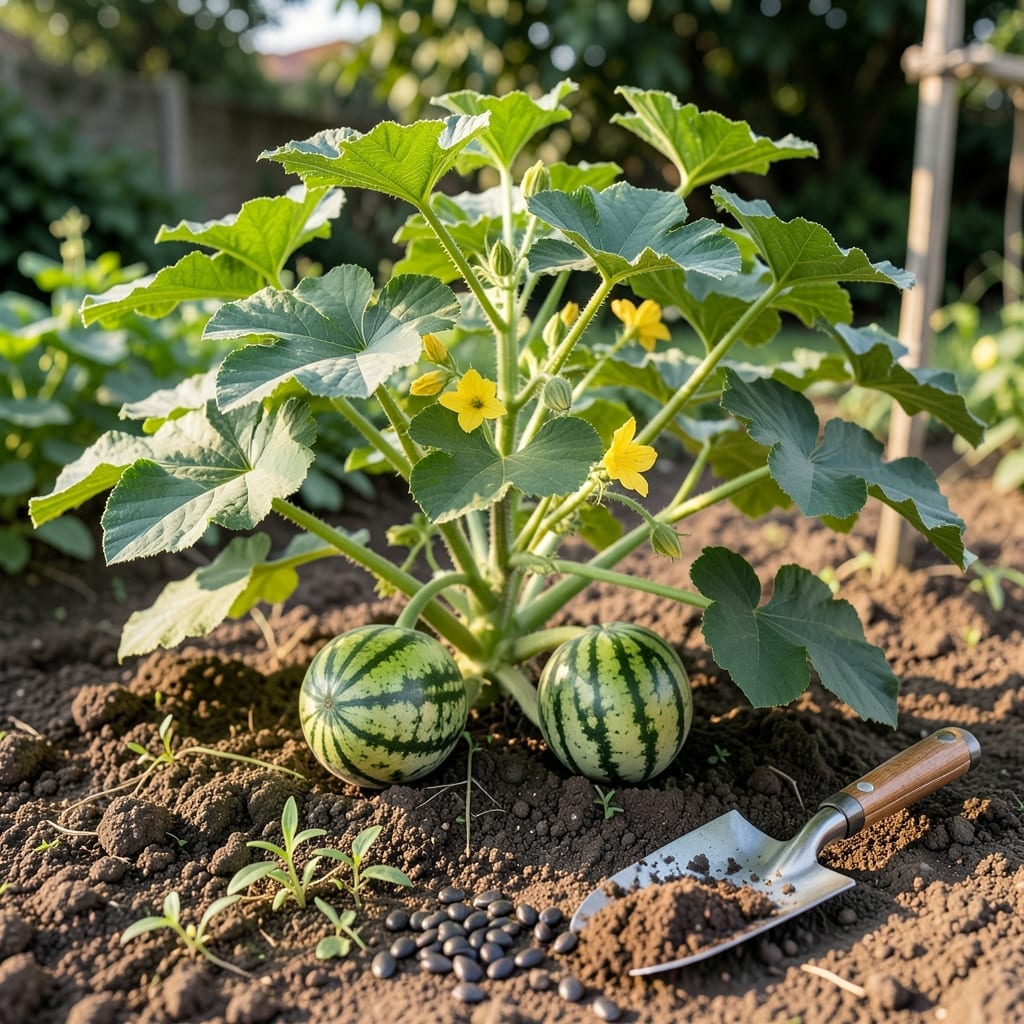
Timing is everything when it comes to planting Watermelon. Plant too early and frost can kill your vines, but wait too long and you’ll miss the peak of summer sweetness.
This guide reveals the exact windows for planting Watermelon seeds or seedlings to ensure a juicy, abundant harvest. Whether you’re in zone 6 or warmer, knowing when to start is the key.
Discover how soil temperature and regional considerations impact your planting schedule. Let’s get your garden ready for the sweetest results.
Getting the timing right for watermelon planting is crucial. These heat-loving vines need warm soil—at least 70°F—to germinate and thrive. Plant too early, and cold temps can stunt growth or kill seedlings outright.
I always check my USDA hardiness zone first. In warmer zones like 9-11, you can plant as early as March. Cooler zones like 3-5 should wait until May or June to avoid frost damage.
| Zone | Planting Window | Soil Temp |
|---|---|---|
| 3-5 | Late May – June | 70-80°F |
| 6-8 | April – May | 70-80°F |
| 9-11 | March – April | 75-85°F |
For early varieties, I start seeds indoors 2-3 weeks before the last frost date. This gives them a head start in shorter growing seasons. Just be sure to harden off seedlings before transplanting.
Direct sowing is my preferred method in warmer climates. I plant seeds 1 inch deep and 2-3 feet apart in rows spaced 6 feet apart. This gives vines plenty of room to spread.
In cool climates, black plastic mulch can help warm the soil faster. I’ve seen this trick add 2-3 weeks to the growing season by retaining heat and moisture.
Remember that watermelons are frost-sensitive. Even a light frost can damage vines. I always check the 10-day forecast before planting to ensure no late frosts are expected.
For successive plantings, I space them 2-3 weeks apart to extend the harvest. This works well in zones with long growing seasons, giving me fresh melons all summer long.
The ideal soil pH for watermelons is 6.0-6.8. I test my soil every spring and amend with lime or sulfur if needed. Well-draining soil is a must to prevent root rot.
In hot climates, afternoon shade can help prevent sunscald on developing fruits. I use row covers early in the season to protect young plants from pests and cold snaps.
By following these zone-specific guidelines, you’ll give your watermelons the best start for a sweet, abundant harvest. ☀️
Before planting watermelon seeds or seedlings, I always start with soil preparation. The ideal pH is 6.0-6.8, so I test and amend with lime or sulfur if needed. Well-draining, organic-rich soil is essential for healthy vines.
I work in plenty of compost or aged manure to improve fertility. Watermelons are heavy feeders, so rich soil gives them a strong start. Raised beds can help with drainage if your soil is heavy clay.
For starting seeds indoors, I use peat pots 2-3 weeks before the last frost. This gives seedlings a head start in cooler zones. Keep them in a warm location with plenty of light.
When direct sowing, I plant seeds 1 inch deep and 2-3 feet apart. Rows should be 6 feet apart to give vines room to sprawl. Thin seedlings to the strongest plants.
Hardening off is crucial for indoor starts. I gradually expose seedlings to outdoor conditions over 7-10 days. This prevents shock when transplanting.
I always water deeply after planting, whether seeds or seedlings. Consistent moisture is key, especially during the first few weeks. Mulching helps retain soil moisture and suppress weeds.
With proper soil prep and care, your watermelons will thrive and reward you with a sweet harvest. 🌱