
Beautiful Plants For Your Interior
Beautiful Plants For Your Interior
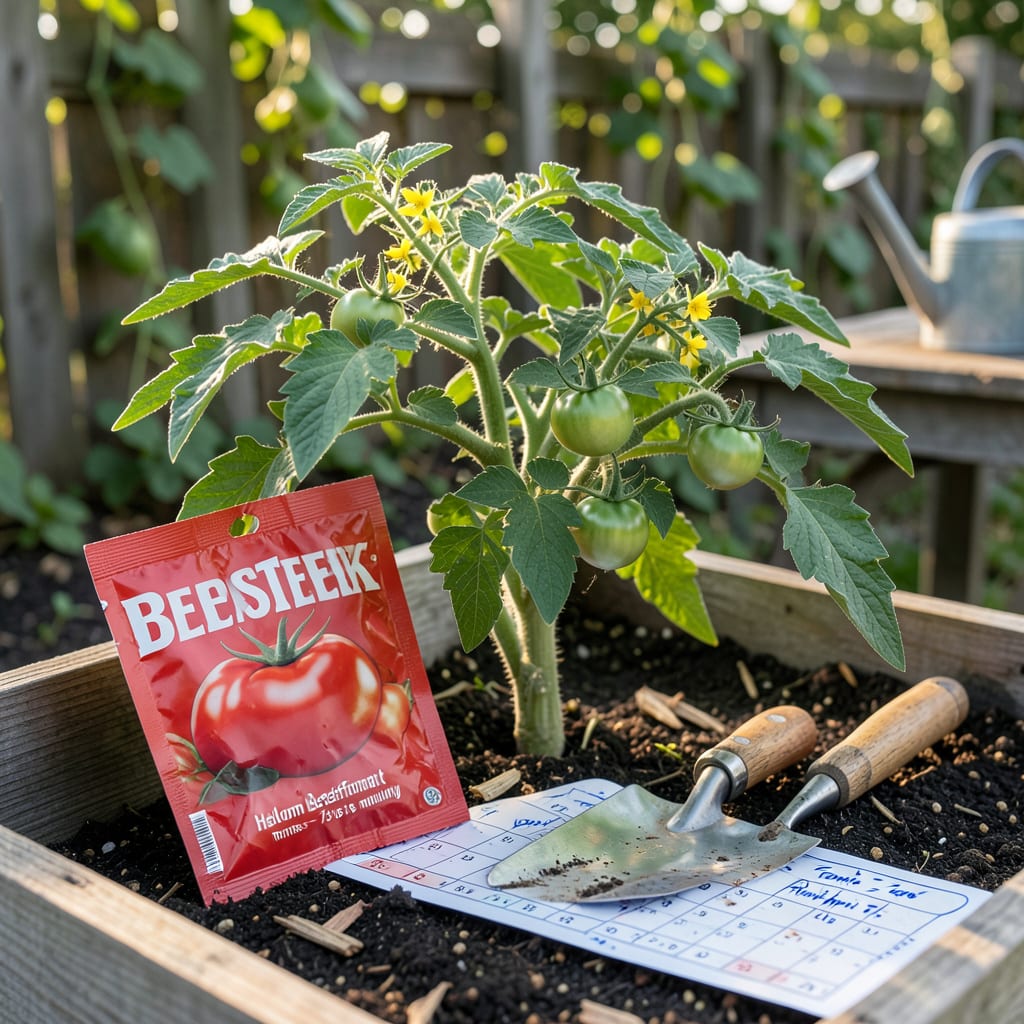
One wrong planting date can mean the difference between a bountiful harvest and a garden full of disappointments. In Massachusetts, where frost dates play hide-and-seek with your 🌱 vegetables, timing isn’t just important—it’s everything.
I’ve seen too many gardeners waste seeds and effort by following generic advice that doesn’t account for our Zone 6 quirks. Let me show you exactly how to sync your planting with Massachusetts’ finicky seasons—so you’ll be harvesting while others are still wondering what went wrong.
If you’ve ever wondered why your Massachusetts vegetable garden doesn’t produce like your neighbor’s, the answer often comes down to timing. Our short growing season—typically 165 frost-free days—demands precision. Coastal gardeners in Zone 7 can plant earlier than inland Zone 5 areas, but everyone needs to watch those unpredictable New England weather swings.
I’ve learned that soil temperature trumps calendar dates. Cool-season crops like spinach and peas germinate in 40-60°F soil, while tomatoes and peppers sulk unless the ground hits 60°F+. That’s why I always keep a soil thermometer handy—it’s my secret weapon for perfect planting timing.
| Vegetable | Start Indoors | Direct Sow Outdoors | Harvest Window | Zone Adjustments |
|---|---|---|---|---|
| Peas | Not needed | March 20–April 15 | June–July | Zone 7: Plant 2 weeks earlier |
| Tomatoes | March 15–April 1 | May 15–June 1 | July–Sept | Use black plastic to warm soil |
| Lettuce | Optional | April 1–May 15 | May–June | Succession plant every 10 days |
| Carrots | Not needed | April 1–May 15 | July–Aug | Loosen soil 12″ deep |
| Peppers | March 15–April 1 | May 20–June 5 | Aug–Sept | Needs 65°F+ soil |
| Bush Beans | Not needed | May 15–June 15 | July–Aug | Plant new crop July 1 for fall |
| Spinach | Not needed | March 20–April 10 | May–June | Fall crop: Sept 1–15 |
For coastal gardeners in Zone 7, you can push planting dates about 1-2 weeks earlier than inland areas. I always cross-check my local frost dates using the Old Farmer’s Almanac—it’s more precise than general guidelines. Remember, microclimates matter: a south-facing wall can be 10°F warmer than open areas.
Don’t overlook fall planting opportunities! Many cool-season crops like kale, radishes, and spinach thrive when sown in late August. I’ve had excellent results with spinach planted in early September—it overwinters and gives me an early spring harvest before most gardeners even start!
If you’re working with limited space, prioritize fast-growing varieties like radishes (25 days) or bush beans (50 days). These quick growers let you succession plant and squeeze in multiple harvests. Always mulch with <
Massachusetts gardeners face unique challenges with our short growing season and unpredictable weather. Even experienced growers can make mistakes that cost them weeks of growing time or entire crops. I’ve seen firsthand how ignoring microclimates or misjudging soil temperature can lead to disappointing results.
One of the biggest errors is relying solely on calendar dates instead of watching your local conditions. Remember, frost dates vary across the state—coastal areas stay warmer than inland regions. Always check your specific hardiness zone (Massachusetts spans Zones 5a–7b) before planting.
Another common mistake is underestimating how quickly our fall frost arrives. Many gardeners plant warm-season crops too late, only to have them killed by an early October freeze. I recommend counting backward from your first fall frost date (typically October 1–15) when planning summer plantings.
Soil preparation often gets rushed in the excitement of planting season. I’ve learned the hard way that compacted soil or poor drainage can stunt plant growth. Always work in 2–3 inches of compost before planting, and consider a soil test every 3 years to check pH and nutrient levels.
Don’t forget about extended season techniques! Using cold frames, hoop houses, or even simple plastic tunnels can give you an extra 2–4 weeks of growing time in both spring and fall. These tools are game-changers for getting tomatoes to ripen or protecting greens into November.
Finally, watering mistakes can make or break your garden. Many new gardeners either overwater (leading to root rot) or underwater (causing bolting in lettuce). Aim for 1–1.5 inches per week, including rainfall, and always water at the base of plants to prevent disease. A simple rain gauge can help you track moisture accurately.
By avoiding these common pitfalls, you’ll be well on your way to a more productive Massachusetts vegetable garden. Remember, our growing season might be short, but with careful planning and attention to detail, you can harvest abundant crops from early spring through late fall. 🌱
Getting your Massachusetts vegetable garden timed right means working with our short growing season and unpredictable weather. The last spring frost typically hits around May 15, while the first fall frost arrives by October 1—giving us roughly 165 frost-free days to grow our favorite crops.
Whether you’re in coastal Zone 7 or the colder inland Zone 5, soil temperature matters. Cool-season crops like peas and spinach thrive in 40-60°F soil, while tomatoes and peppers need 60°F+ to avoid stunted growth.
| Vegetable | Start Indoors | Direct Sow Outdoors | Harvest Window | Notes |
|---|---|---|---|---|
| Peas | Not needed | March 20–April 15 | June–July | Tolerates light frost |
| Tomatoes | March 15–April 1 | May 15–June 1 | July–Sept | Use row covers early |
| Lettuce | Optional | April 1–May 15 | May–June | Succession plant every 2 weeks |
| Carrots | Not needed | April 1–May 15 | July–Aug | Loosen soil for straight roots |
| Peppers | March 15–April 1 | May 20–June 5 | Aug–Sept | Needs warm soil |
For coastal gardeners in Zone 7, you can push planting dates about 1-2 weeks earlier than inland areas. I always check my local frost dates using the Old Farmer’s Almanac tool—it’s more precise than general guidelines.
Don’t forget about fall planting! Many cool-season crops like kale and radishes thrive when sown in late August. I’ve had great success with spinach planted in early September—it overwinters and gives me an early spring harvest!
If you’re short on space, focus on fast-growing varieties like bush beans (50 days) or radishes (25 days). These let you succession plant and get multiple harvests in one season. Always mulch to retain moisture during our dry summer months.
For the most accurate timing, I recommend using a soil thermometer—it’s the best way to know when conditions are just right. And if you’re eager to start earlier, cold frames or hoop houses can extend your season by 4-6 weeks! 🌱
Coastal areas (typically Zone 7) stay warmer than inland regions. You can safely plant 1-2 weeks earlier than the standard dates. Always check your specific location’s frost dates for precision.
Tools like the Old Farmer’s Almanac provide hyper-local frost data.
Never plant tomatoes outdoors before May 15 in most areas. They require soil temps above 50°F and will be killed by frost. Use row covers if you must plant slightly early.
Starting seeds indoors 6-8 weeks before transplanting gives you a head start.
Succession planting is key! Sow new seeds every 2 weeks from April 1 to May 15. This ensures continuous harvests before summer heat causes bolting.
Try shade cloth in July to extend your harvest window.
Plant cold-hardy crops like kale and spinach in late August. Use hoop houses or cold frames to protect plants from early frosts.
Some varieties can survive until November with proper protection.
Ignoring soil temperature and relying only on calendar dates. Warm-season crops need 60°F+ soil to thrive, not just warm air.
A $10 soil thermometer prevents costly timing errors.
