
Beautiful Plants For Your Interior
Beautiful Plants For Your Interior
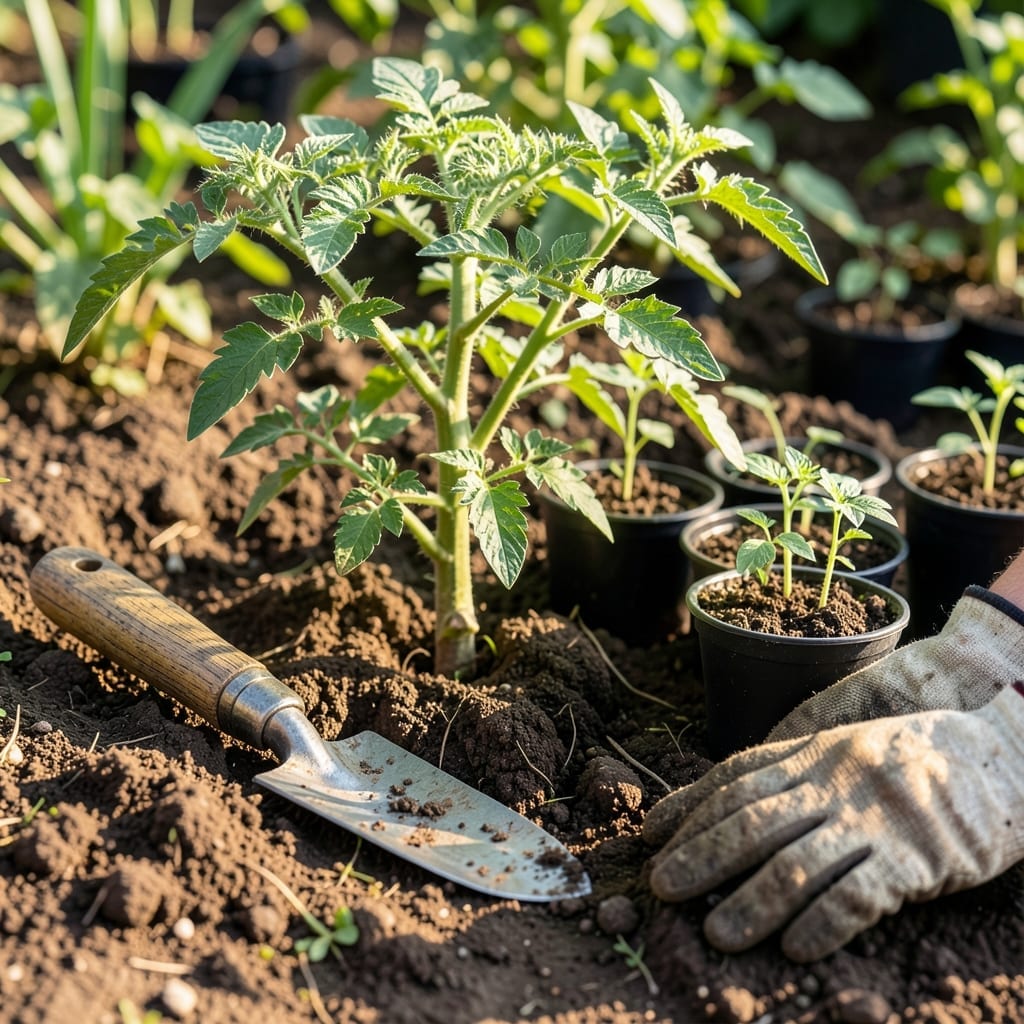
Timing is everything when it comes to planting 🥕 Vegetables in Iowa. The state’s Zone 5 climate means a short growing season, but with the right schedule, you can maximize your harvest.
I’ve learned that missing the planting window by even a week can make or break your garden. Whether you’re a first-time gardener or a seasoned pro, knowing when to start is the key to success.
From cool-season crops to warm-weather favorites, each type has its own ideal time. I’ll walk you through the best approach for Iowa’s unique conditions and soil prep tips.
Discover how to stretch your growing season and get the most out of every plant. Let’s dig into the details that will make this your best harvest yet.
Iowa’s Zone 5 climate gives us a distinct planting window. I’ve found that cool-season crops thrive when started early, often 4-6 weeks before the last frost date around April 15. These include hardy favorites like peas and spinach.
Warm-season vegetables like tomatoes and peppers need to wait until after the last frost when soil temps hit 60°F. This usually means planting in mid-to-late May for most of Iowa.
| Vegetable Type | Planting Time | Soil Temp |
|---|---|---|
| Peas | Early April | 40°F+ |
| Lettuce | Mid-April | 45°F+ |
| Tomatoes | Mid-May | 60°F+ |
| Cucumbers | Late May | 65°F+ |
| Beets | Early April | 40°F+ |
For root vegetables like carrots and radishes, I recommend planting in early April or again in late summer for a fall harvest. They tolerate cooler temps but need consistent moisture.
Succession planting is key for continuous harvests. I plant bush beans every 2-3 weeks from late May to early July. This ensures a steady supply rather than one large harvest.
The fall planting window is often overlooked. I start cool-season crops again in late July to early August for harvest before the first frost around October 15. 🌱
Soil preparation can’t be ignored. I always test my soil pH and add compost before planting. Aim for a pH of 6.0-7.0 for most vegetables. This gives seeds the best start possible.
For warm-season crops, I use black plastic mulch to warm the soil faster. This trick can give you a 1-2 week head start on planting peppers and eggplants.
Remember that microclimates exist even in Iowa. My garden’s south-facing slope warms up faster than my neighbor’s flat plot. Observe your space and adjust planting times accordingly.
Finally, keep a garden journal. I note my planting dates and first harvests each year. This helps me refine my schedule based on actual results rather than just general guidelines. ✂️
In Iowa’s Zone 5 climate, frost dates dictate your planting schedule. The last spring frost typically hits around April 15, while the first fall frost arrives near October 15. This gives you roughly 180 frost-free days to work with.
These dates aren’t set in stone—local microclimates can shift them by a week or two. I always check my local weather station data for the most accurate timeline. Planting too early risks frost damage, while starting too late may not give crops enough time to mature.
🌱 Key Takeaway
Iowa’s last frost is around April 15 and the first frost near October 15. Use these dates to time your cool-season and warm-season plantings for maximum yield.
For cool-season vegetables like peas and lettuce, I start planting as soon as the soil is workable in early spring. These hardy crops can tolerate light frosts, so they’re perfect for Iowa’s unpredictable early season.
Warm-season crops like tomatoes and peppers need warmer soil and air. I wait until after the last frost date when soil temps hit at least 60°F. A soil thermometer is my go-to tool for accuracy here.
Fall planting is another opportunity. I sow fast-maturing crops like radishes and spinach in late summer. They’ll grow quickly in the cooling weather and can often survive light frosts with some protection.
To stretch the season, I use row covers or cold frames for early spring and late fall plantings. These simple tools can add 2-4 weeks to your growing window, giving you more flexibility with timing.
Always keep an eye on the 10-day forecast when planting. A surprise late frost can wipe out tender seedlings, so I’m ready to cover plants if temperatures dip unexpectedly ☀️