
Beautiful Plants For Your Interior
Beautiful Plants For Your Interior
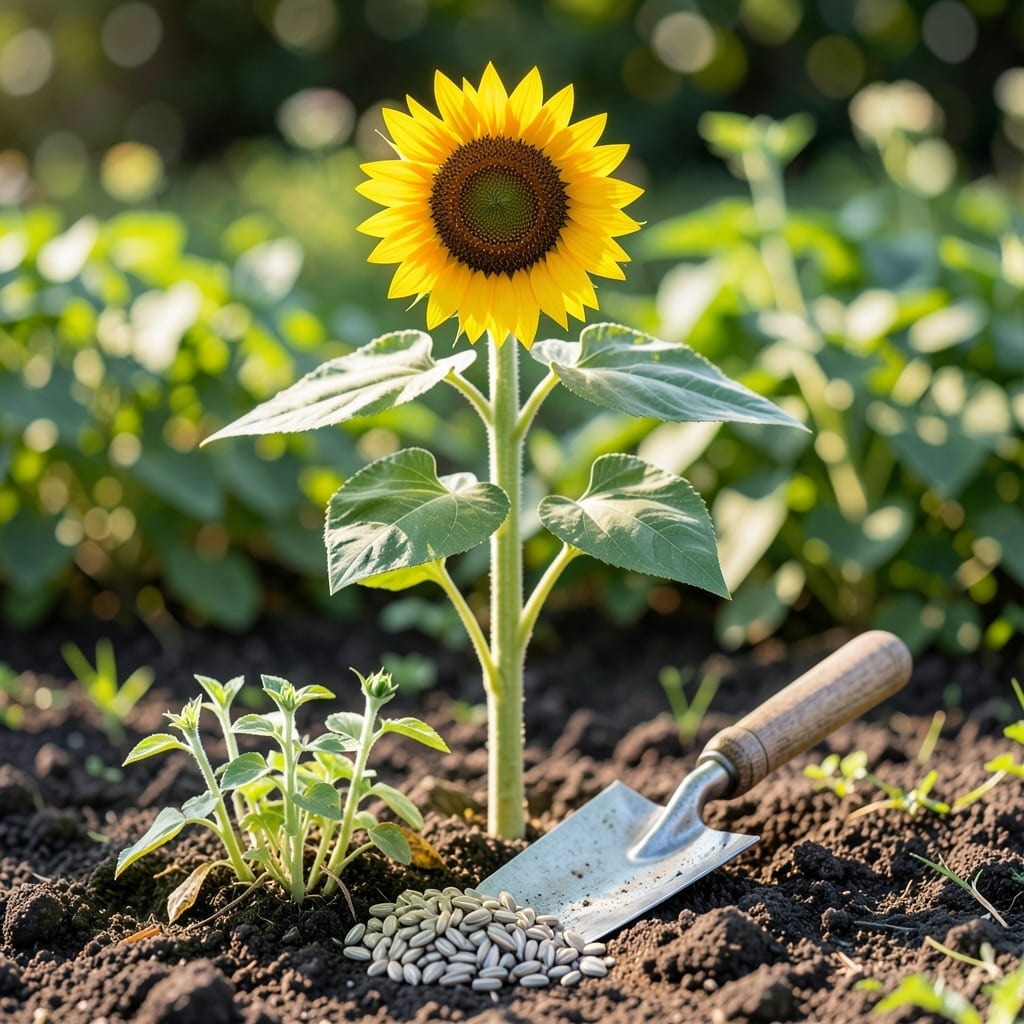
Timing is everything when growing Sunflower in Zone 7a. Plant too early and frost may wipe out your seedlings. Plant too late and you’ll miss the peak blooming window for these iconic summer flowers.
I’ve learned the hard way that getting the timing right makes all the difference. The spring planting window is narrow but crucial for best results.
You’ll want to wait until after the last frost date when soil temperatures consistently reach the right range. This ensures your Sunflower seeds have the ideal conditions to germinate and thrive.
Discover the exact planting dates and preparation tips that will set you up for a season of vibrant, towering blooms in your garden.
In Zone 7a, the key to sunflower success is timing your planting after the last frost. Typically, this falls around April 15, but I always check local conditions first.
Soil temperature is critical—sunflower seeds need 55-60°F to germinate properly. Planting in colder soil can lead to poor sprouting or weak seedlings.
| Stage | Action |
|---|---|
| Last Frost | April 15 |
| Soil Temp | 55-60°F |
| Spring Plant | Mid-April to May |
| Fall Plant | August (for late blooms) |
For spring planting, aim for mid-April to May. This gives your sunflowers enough time to mature before the first frost in mid-October.
If you prefer fall sunflowers, plant in August. Just ensure they’ll have 60-80 days before the first frost to reach full bloom.
I’ve found that dwarf varieties can be planted a bit later since they mature faster. Check the seed packet for specific days to maturity details.
Pro tip: Use a soil thermometer to confirm temperatures. If the soil is still cold, wait a week or two—patience pays off with stronger plants.
In Zone 7a, microclimates can vary. If your garden is in a low-lying area, it may stay cooler longer, so adjust your planting dates accordingly.
For the best results, plant sunflowers in a spot with full sun (6-8 hours daily). They’ll grow taller and produce more vibrant blooms with ample light.
Finally, remember that sunflowers are drought-tolerant once established, but they need consistent moisture during germination and early growth stages.
By following these guidelines, you’ll enjoy a stunning display of sunflowers from summer through early fall in your Zone 7a garden ☀️
Preparing your garden properly is half the battle for growing stunning sunflowers in Zone 7a. I always start by testing my soil pH—it should be between 6.0-7.5 for best results.
Sunflowers thrive in well-draining soil with plenty of organic matter. I mix in compost to improve fertility and structure before planting ☀️
Sunflowers need full sun exposure—at least 6-8 hours of direct sunlight daily. I’ve found that south-facing spots work best in my garden.
For spacing, larger varieties need 2-3 feet between plants, while dwarf types can be closer. This prevents overcrowding and promotes healthy air circulation 🌻
Before planting, loosen the soil to a depth of 12-18 inches. This helps roots penetrate easily and access nutrients. I use a garden fork for this task.
After planting, give your seeds a deep watering to settle the soil. Sunflowers are drought-tolerant once established, but consistent moisture is key during germination.