
Beautiful Plants For Your Interior
Beautiful Plants For Your Interior
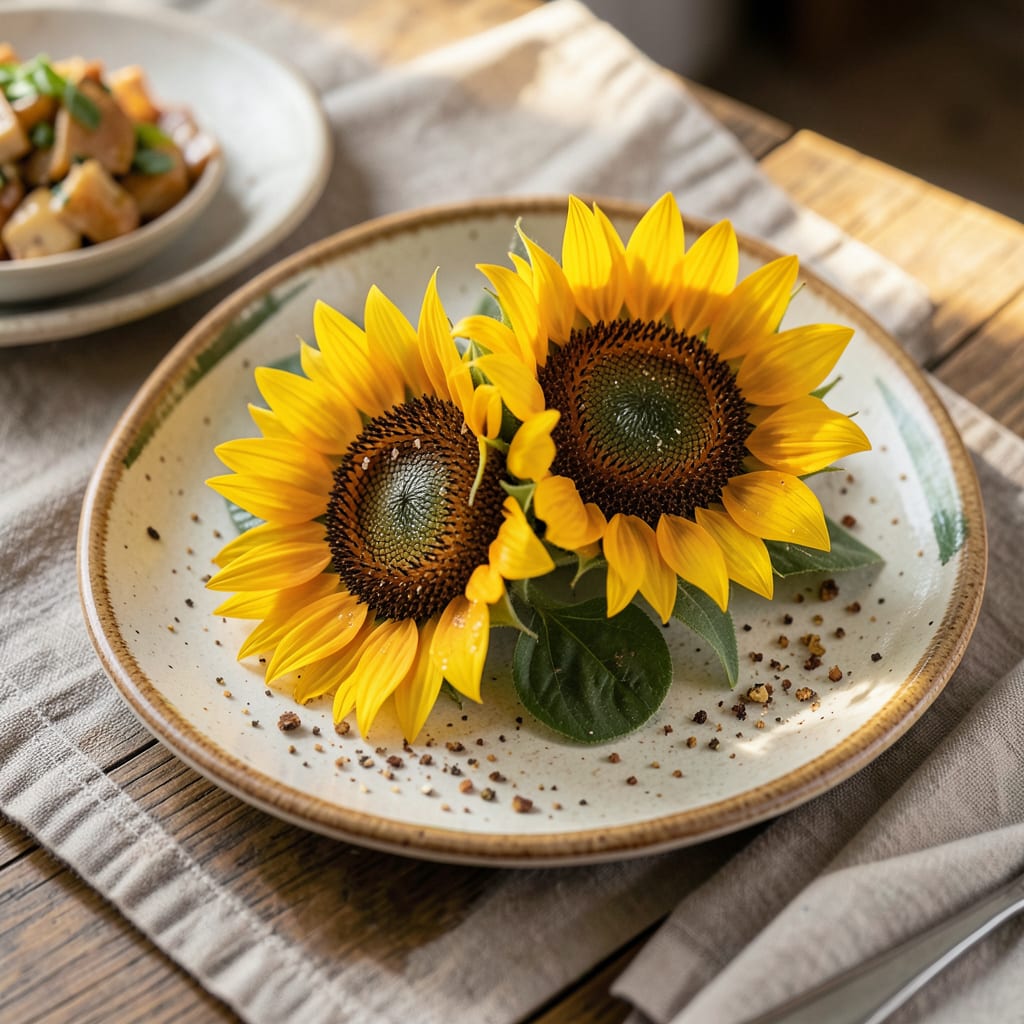
As a Texas gardener, you’re probably eager to add some vibrant 🌻 sunflowers to your garden. The key to success lies in timing – planting at the right moment ensures you’ll enjoy these towering beauties throughout the growing season.
In Texas, where USDA zones range from 7b to 9b, the ideal time to plant sunflowers is in late spring, typically around late April or early May, when the soil has warmed up to at least 55-60°F.
Ideal Time
Also Good
Texas’s diverse climate zones require understanding the optimal planting windows for sunflowers across different regions. The state’s large geographical area means that planting times can vary significantly from north to south 🌻.
The ideal time to plant sunflowers in Texas is typically in late spring, when soil temperatures reach 55-60°F. This usually occurs between late April and early May, depending on the specific region.
Understanding these regional differences is crucial for successful sunflower cultivation in Texas. Gardeners should check local frost dates and soil temperatures before planting 🌼.
In North Texas, where the climate is generally cooler, gardeners should wait until the soil has warmed up sufficiently, usually around late April. In Central Texas, the planting window opens slightly earlier, typically in early to mid-April. For gardeners in South Texas, where temperatures are warmer, sunflowers can be planted as early as March.
Soil temperature is a critical factor in determining the best planting time. Sunflowers thrive when soil temperatures are between 55-60°F, which usually coincides with the late spring season in most Texas regions.
Gardeners should also consider the last frost date for their specific area. In Texas, this date varies from around March 15 in the south to as late April in the north. Planting after the last frost ensures that sunflowers have the best chance to grow without damage from unexpected late-season frosts.
By understanding these regional planting windows and climate considerations, Texas gardeners can optimize their sunflower planting for the best results 💛.
For specific regional details, gardeners can consult local extension services or experienced local growers to fine-tune their planting schedule.
Sunflowers require full sun and well-drained soil to thrive. Gardeners should choose a location that receives at least 6 hours of direct sunlight daily and has soil with good drainage.
Soil preparation is also essential for healthy sunflower growth. Adding organic matter like compost can improve soil structure and fertility, giving sunflowers a strong start 🌱.
By combining the right planting time with proper soil preparation and full sun, Texas gardeners can enjoy a vibrant sunflower display throughout the summer months 🌼.
Successful sunflower cultivation in Texas requires more than just knowing the right planting time. Proper soil preparation and planting techniques are crucial for healthy growth and vibrant blooms 🌼.
Before planting sunflowers, it’s essential to prepare your soil adequately. Sunflowers prefer well-drained soil with a pH between 6.0 and 7.5. Testing your soil can help determine its nutrient content and pH level.
Test your soil to determine its nutrient content and pH level. Based on the results, you can amend the soil as needed.
Adding Organic Matter
Incorporate compost or well-rotted manure into the soil to improve its structure and fertility.
Till the soil to a depth of 8-12 inches to loosen it and remove any debris.
When planting sunflowers, seed selection is also critical. Choose varieties that are suitable for the Texas climate and your specific USDA zone 🌻.
Planting techniques can significantly impact sunflower growth. Sow seeds 1 inch deep and 6 inches apart in rows that are 3 feet apart. Water the soil gently but thoroughly after planting 🌼.
By following these steps and tips, you can create an ideal environment for your sunflowers to thrive in Texas’s climate. Proper preparation and planting techniques will help ensure a vibrant display of sunflowers throughout the growing season 🌻.
For optimal growth, sunflowers also require full sun and adequate moisture. Ensure that your planting location receives at least 6 hours of direct sunlight daily and water regularly, especially during dry spells 💧.
With careful planning and preparation, you can enjoy a stunning sunflower garden in Texas, brightening up your outdoor space with their cheerful blooms 🌼.
When growing sunflowers in Texas, understanding the different seasonal considerations is crucial for optimal results. The state’s diverse climate zones mean that planting strategies can vary significantly between spring and fall 🌱.
For spring planting, wait until soil temperatures reach 55-60°F, typically in late April or early May in most Texas regions.
In Texas, spring planting is generally preferred for sunflowers as it allows for optimal growth during the warmer months. Gardeners should plan to plant after the last frost date for their specific region, which can range from late March in southern Texas to late April in northern areas 🌼.
For fall planting, Texas gardeners should time their planting about 8 weeks before the first expected frost. This allows sunflowers to mature before colder weather sets in. In most Texas regions, this means planting in late August to early September 🌻.
Frost considerations are critical when planting sunflowers in Texas. For spring planting, wait until after the last frost date to avoid damage to young seedlings. For fall planting, ensure that plants have enough time to mature before the first frost ❄️.
The growth timeline for sunflowers in Texas varies depending on the variety and growing conditions. Generally, sunflowers take about 60-90 days to mature from planting to harvest. Gardeners should plan accordingly and be prepared to provide support for tall varieties as they grow 🌻.
By understanding these seasonal considerations and planning accordingly, Texas gardeners can enjoy a successful sunflower harvest whether planting in spring or fall 🌼.
Sunflowers thrive when soil temperatures are between 55-60°F, typically reached in late spring. This temperature range supports healthy germination and growth.
Sunflowers typically take 60-90 days to mature from planting to harvest, depending on the variety and growing conditions. Proper care during this period ensures optimal growth.
Yes, you can plant sunflowers in Texas during the fall. For a successful fall harvest, plant about 8 weeks before the first expected frost, usually in late August to early September.
Water sunflowers weekly, providing about 1 inch of water. Adjust based on weather conditions to maintain well-drained soil.
Yes, sunflowers need full sun, requiring at least 6 hours of direct sunlight daily. Choose a location that receives ample sunlight for optimal growth.
