
Beautiful Plants For Your Interior
Beautiful Plants For Your Interior
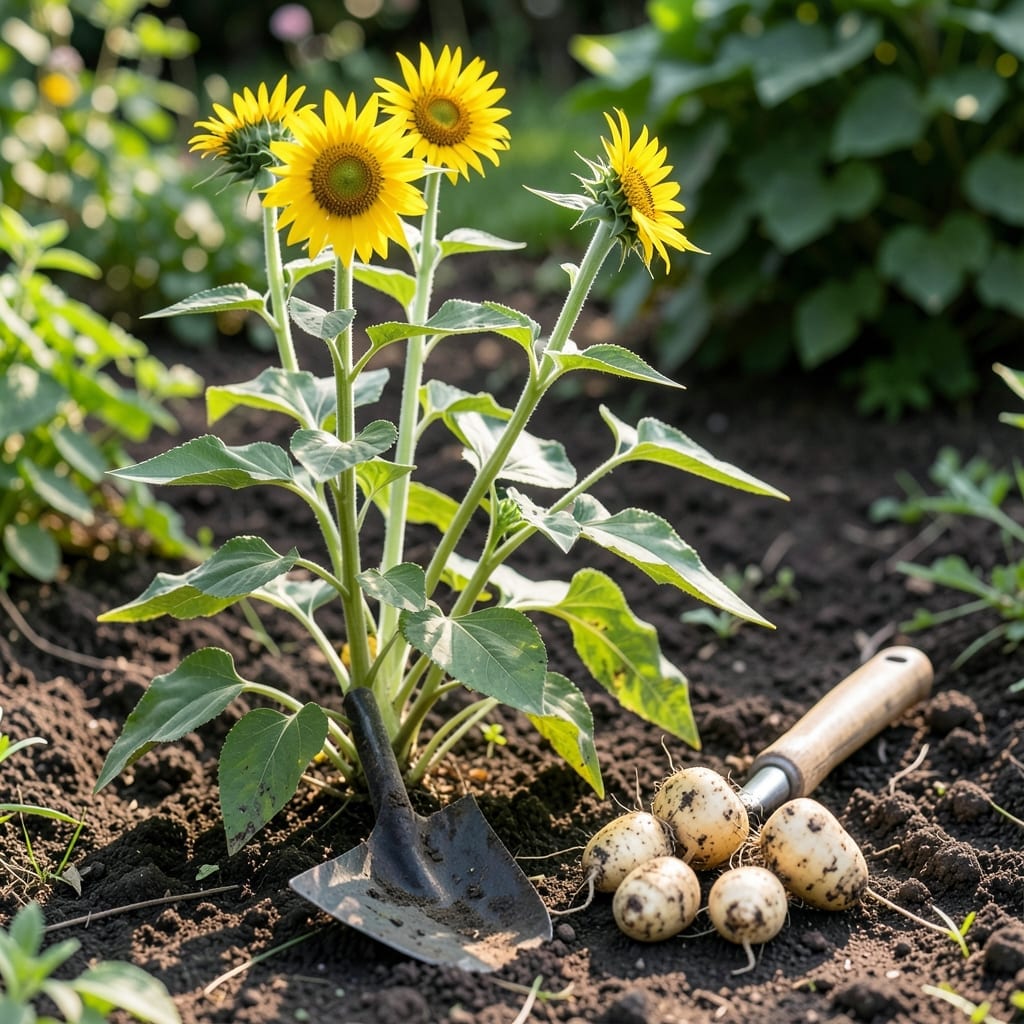
Timing is everything when it comes to planting Sunchokes 🌻—plant too early or too late, and you risk stunted growth or a poor harvest.
Discover the ideal planting windows to ensure a bountiful crop of these nutty, versatile tubers. Whether you’re in zones 3-9, getting it right means the difference between success and struggle.
I’ll share the best practices for early spring planting, so you can enjoy a thriving Sunchoke patch with minimal effort and maximum yield.
Planting Sunchokes at the right time ensures a healthy, productive crop. In most USDA zones 3-9, early spring is ideal, but timing varies by region and frost dates.
I always aim for soil temperatures around 45-50°F for best results. This typically means planting 2-3 weeks before your last frost date.
| Climate Zone | Planting Time | Soil Temp |
|---|---|---|
| Zones 3-4 | Late April to early May | 45°F+ |
| Zones 5-6 | Mid-March to early April | 45-50°F |
| Zones 7-9 | Late February to early March | 50°F+ |
In cooler zones 3-4, wait until the soil thaws and warms. Planting too early in cold, wet soil can cause tuber rot or slow sprouting.
For zones 5-6, early spring planting works well, but you can also plant late fall for a head start next year. The tubers will establish roots before winter.
Warmer zones 7-9 can plant as early as late winter. The key is avoiding waterlogged soil from winter rains, which can suffocate new growth.
I’ve found that Sunchokes tolerate light frosts, but hard freezes can damage young shoots. If a late frost is forecast, cover plants with frost cloth or mulch.
Soil preparation matters just as much as timing. Work in compost or aged manure to improve drainage and fertility before planting. Sunchokes thrive in loose, well-draining soil.
For best results, plant 4-6 inches deep and 12-18 inches apart. This spacing gives tubers room to expand without competing for nutrients.
If you’re in a region with mild winters, you can also plant in fall. Just ensure tubers have 4-6 weeks to establish roots before the first hard frost.
Planting Sunchokes correctly sets the stage for a thriving crop. I always start by choosing a sunny location with at least 6 hours of sunlight daily for best results.
The first step is preparing the soil. Loosen it to a depth of 12-15 inches and mix in compost or aged manure to improve fertility and drainage. Sunchokes dislike soggy conditions, so ensure the site drains well.
After planting, keep the soil consistently moist but not waterlogged. I recommend watering 1-2 inches per week, especially during dry spells. A 2-3 inch layer of mulch helps retain moisture and suppress weeds.
Sunchokes are low-maintenance once established. However, they benefit from a balanced fertilizer applied in early spring and midsummer. Use a 5-10-10 formula to support tuber development.
Watch for pests like aphids or diseases such as powdery mildew. If issues arise, treat with neem oil or insecticidal soap. Regularly check the leaves and stems for early signs of trouble.
By following these steps, you’ll create the ideal conditions for Sunchokes to grow tall and produce an abundant harvest of delicious tubers 🌻