
Beautiful Plants For Your Interior
Beautiful Plants For Your Interior
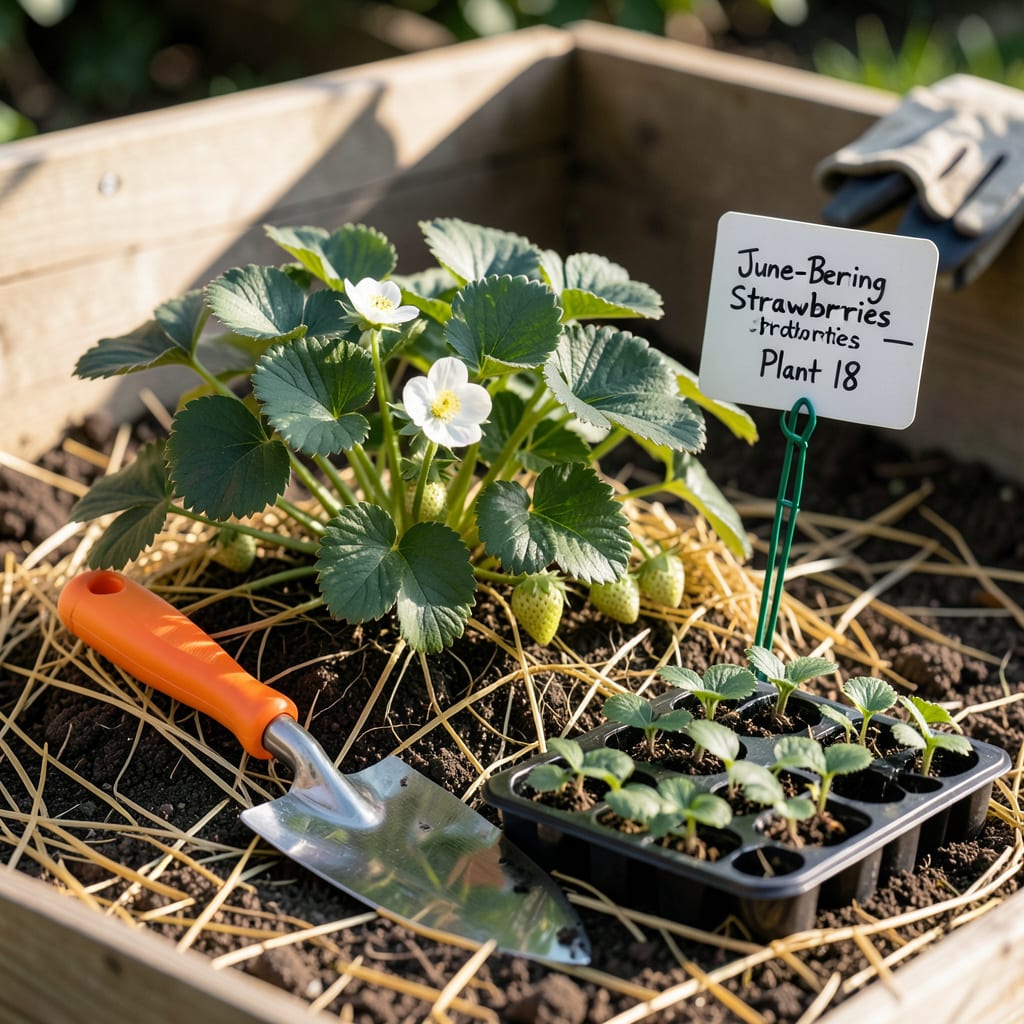
Timing your strawberry planting in Zone 8a can mean the difference between a lackluster harvest and baskets overflowing with sweet, juicy berries. Plant too early, and unexpected frost might ruin your crop; wait too late, and you’ll miss the prime growing window.
I’ve tested both fall and spring planting in this zone, and the results might surprise you. Whether you’re aiming for early summer treats or a prolonged harvest, discover the exact windows that work best—and why one season might outperform the other for your garden goals.
If you’re growing strawberries in Zone 8a, timing your planting is the secret to a bountiful harvest. This region’s mild winters and hot summers create two ideal windows: early fall (September to October) and early spring (March to April). Each season offers unique benefits for different strawberry types.
Fall planting gives roots time to establish before winter, leading to stronger plants and earlier spring harvests. Spring planting works well for everbearing varieties that thrive in Zone 8a’s long growing season. The key is matching your planting time to your strawberry type and local microclimate conditions.
For fall planting, aim to get strawberries in the ground 6–8 weeks before your first frost (around November 15 in Zone 8a). This gives roots time to establish without pushing top growth. I recommend ‘Chandler’ or ‘Camarosa’ for fall planting—they’re cold-hardy and produce well in spring.
Spring planting should happen as soon as soil is workable, typically March through early April. Wait until soil temps reach at least 55°F for best results. ‘Albion’ and ‘Seascape’ are excellent everbearing choices that will produce from late summer through fall in Zone 8a’s climate.
Remember that soil preparation is just as important as timing. Strawberries need well-draining soil with a pH between 5.5–6.5. Work in plenty of compost before planting, and consider raised beds if your soil is heavy clay. A 2–3 inch layer of mulch helps retain moisture and suppress weeds.
Watering is critical during establishment—keep soil consistently moist but not soggy. In Zone 8a’s heat, drip irrigation works best to prevent fungal issues. For fall-planted strawberries, add extra mulch in winter to protect crowns from temperature swings.
If you’re planting in containers, you have more flexibility with timing. Just ensure pots have good drainage and move them to shelter during extreme heat or cold. Container-grown strawberries often need more frequent watering, especially in Zone 8a’s summer heat.
For the biggest harvests, consider succession planting—put in a few plants in fall and more in spring. This staggers your harvest and extends your berry season. With Zone 8a’s long growing season, you could be picking strawberries from April through November!
No matter when you plant, remove the first blossoms that appear to encourage stronger root development. This sacrifice pays off with bigger, healthier plants and more abundant future harvests. It’s tough to pinch off those first flowers, but your patience will be rewarded.
Finally, keep an eye on the weather. If an unexpected late frost threatens your spring-planted strawberries, be ready with row covers or cloches. In fall, if temperatures stay warm longer than expected, provide some shade to prevent stress on new plants.
Even experienced gardeners can make mistakes when planting strawberries in Zone 8a. I’ve seen firsthand how small oversights can lead to weak plants or disappointing harvests. The good news? Most issues are preventable with proper planning and attention to detail.
One of the biggest mistakes I notice is ignoring soil preparation. Strawberries thrive in well-draining, slightly acidic soil (pH 5.5–6.5). Skipping a soil test or failing to amend heavy clay can stunt growth. Always work in compost and check drainage before planting.
Another common error is misjudging frost dates. Zone 8a’s last frost typically falls around April 15, but microclimates vary. Planting spring strawberries too early risks frost damage, while waiting too long shortens the growing season. I use a soil thermometer to confirm temps are above 55°F before spring planting.
Poor variety selection can also disappoint. Not all strawberries handle Zone 8a’s heat and humidity equally. For fall planting, I recommend ‘Chandler’ for its cold hardiness. For spring, ‘Albion’ tolerates heat better than many June-bearing types. Always check variety descriptions for regional suitability.
Many gardeners forget about proper spacing, which leads to disease and poor yields. Crowded plants compete for nutrients and airflow, creating ideal conditions for fungal issues. I use a measuring stick when planting to ensure consistent spacing—it makes a noticeable difference in plant health and berry size.
Finally, watering inconsistencies plague many strawberry patches. These plants need 1–1.5 inches of water weekly, more in extreme heat. Drip irrigation works best in Zone 8a to keep foliage dry and prevent disease. I set mine on a timer for early morning watering—it’s the most efficient approach.
By avoiding these common mistakes, you’ll set your strawberry plants up for success. Remember that Zone 8a’s long growing season is both a blessing and a challenge—proper care leads to months of delicious berries, but neglect can quickly lead to problems. When in doubt, observe your plants daily and adjust care as needed.
Choosing the right strawberry variety for Zone 8a can make or break your harvest. I’ve tested dozens of cultivars and found that matching varieties to your planting season is key. Fall planting favors cold-hardy types, while spring planting opens doors for heat-tolerant producers.
The secret lies in understanding each variety’s growth habit. June-bearing types excel with fall planting, producing one massive spring harvest. Everbearing and day-neutral varieties shine when planted in spring, offering multiple flushes through summer and fall.
For fall planting, I always recommend ‘Chandler’ as my top pick. Its cold hardiness ensures survival through Zone 8a winters, and the large, sweet berries in spring are worth the wait. ‘Camarosa’ runs a close second with excellent disease resistance—perfect for our humid climate.
Spring planters should focus on day-neutral varieties like ‘Albion’. It handles our hot summers better than most, producing consistently from late summer through fall. ‘Seascape’ is another winner for spring planting, with remarkable drought tolerance that’s perfect for Zone 8a’s occasional dry spells.
If you want flexibility, ‘Sweet Charlie’ performs well in both seasons. Its compact size makes it ideal for containers, and the exceptionally sweet berries appear earlier than most varieties. For organic growers, ‘Tristar’ (another everbearing) offers excellent disease resistance without chemical sprays.
Remember that microclimates matter in Zone 8a. Coastal areas can handle more humidity-loving varieties, while inland gardens need extra heat tolerance. I always suggest planting at least two varieties—one early and one late—to extend your harvest window from spring through fall.
For container gardeners, ‘Albion’ and ‘Seascape’ are my top recommendations. Their compact habits and continuous production make them perfect for patios. Just ensure containers have drainage holes and use a high-quality potting mix amended with compost for best results.
No matter which varieties you choose, proper soil preparation remains critical. Test your soil pH and aim for 5.5–6.5. Work in plenty of organic matter before planting, and consider a balanced fertilizer (like 10-10-10) at planting time to give your strawberries their best start.
Not at all! September is actually ideal for fall planting in Zone 8a. The key is getting plants in the ground 6-8 weeks before first frost (around November 15). This gives roots time to establish without pushing top growth before winter.
It’s risky. Zone 8a’s summer heat stresses new plants. If you must, choose day-neutral varieties like ‘Albion’ and plant in partial shade. Provide extra water and mulch heavily to protect roots from heat.
Use row covers or cloches when frost threatens. Remove covers during the day to prevent overheating. For extra protection, apply 2-3 inches of straw mulch around plants—it insulates roots while allowing growth.
Spring planting works best for containers in Zone 8a. Potted plants are more vulnerable to winter temperature swings. Start with everbearing varieties in March, using containers with drainage holes and quality potting mix.
with proper care. Add 4-6 inches of mulch (straw or pine needles) after the first hard frost. In Zone 8a, established plants typically survive winters, especially cold-hardy varieties like ‘Chandler’ or ‘Camarosa’.
