
Beautiful Plants For Your Interior
Beautiful Plants For Your Interior
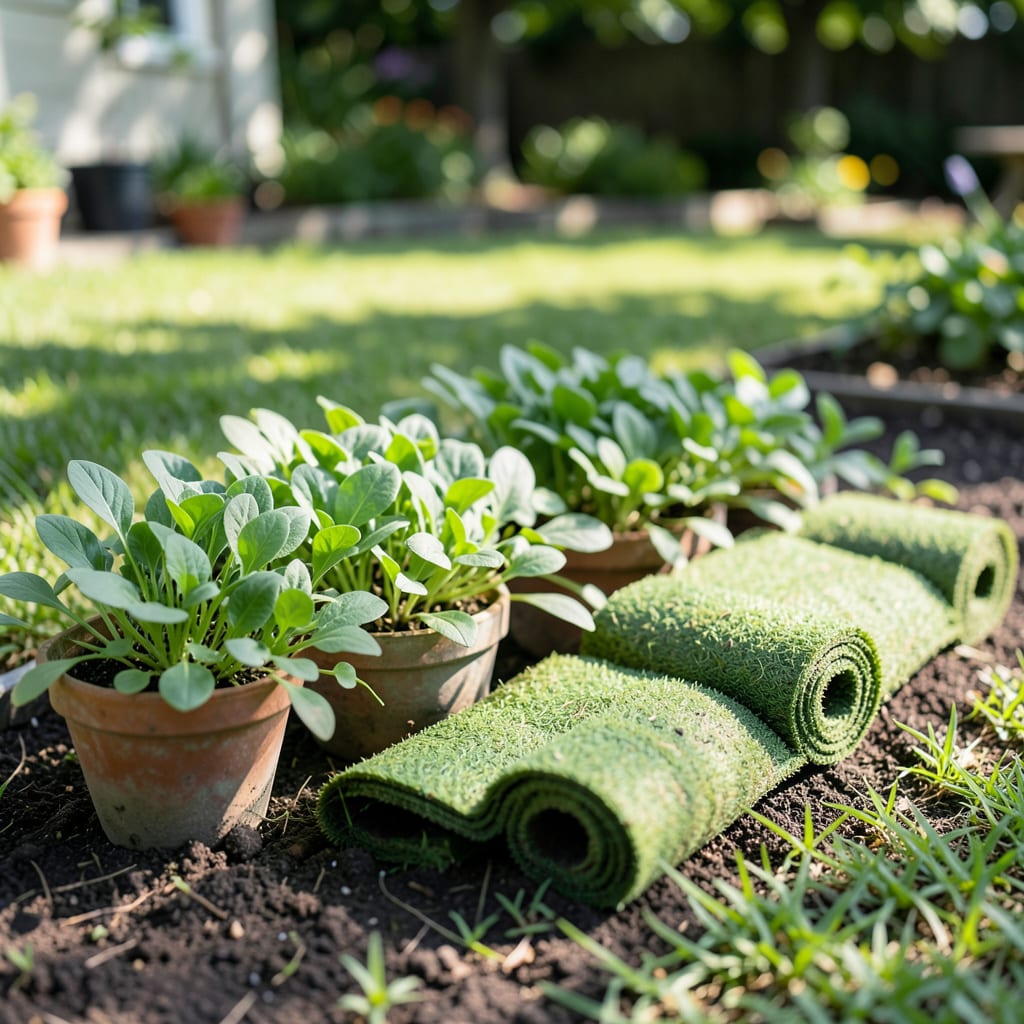
As spring arrives in Texas, many homeowners start thinking about planting new St Augustine grass 🌿. Timing is everything – plant too early or too late, and you risk poor establishment. In Texas’s climate, particularly in zone 8b, the ideal planting window is crucial for success.
Late spring to early summer is typically the best time to plant St Augustine grass in Texas. During this period, soil temperatures are warm enough to support healthy growth. I’ll guide you through the specifics of when and how to plant for a lush, thriving lawn.
When considering planting St Augustine grass in Texas, timing is crucial for successful establishment. The ideal planting window varies depending on the region within Texas, but generally falls between late spring and early summer. During this period, soil temperatures are warm enough to support healthy growth 🌱.
In Texas’s USDA zone 8b, the last frost date typically occurs around February 15, while the first frost arrives around November 15. This gives us a frost-free period of about 270 days, which is ideal for planting warm-season grasses like St Augustine. The optimal soil temperature for planting is between 70-80°F, usually reached in late spring 🔥.
The ideal planting window for St Augustine grass in Texas typically starts in late April and extends through early summer. During this time, the soil has warmed up sufficiently to promote root growth, and there’s ample moisture for establishment 🌿.
Regional variations within Texas can affect the exact planting time. In southern Texas, planting can begin as early as March, while in northern regions, it’s best to wait until late April or early May. Understanding these regional differences is key to successful planting 📅.
When planting St Augustine grass, it’s essential to consider not just the calendar date, but also soil temperature and moisture levels. The grass thrives in warm conditions, making late spring to early summer the perfect time for establishment 🌞.
Soil preparation is another critical factor. Before planting, ensure the soil is well-draining and has the appropriate pH for St Augustine grass, which prefers slightly acidic to neutral soil (pH 6.0-7.0) 🌿.
For successful establishment, St Augustine grass requires consistent moisture, especially during the first few weeks after planting. A regular watering schedule is crucial until the grass is well-established 💧.
While St Augustine grass can be planted at other times of the year in Texas, the late spring to early summer window offers the best balance of warm temperatures and adequate moisture for optimal growth 🌻.
By planting during the recommended period and following proper care guidelines, homeowners in Texas can enjoy a lush, healthy lawn that thrives throughout the growing season 🌿.
It’s worth noting that local climate conditions can vary from year to year, so it’s always a good idea to check the specific weather forecast for your area before planting ☁️.
In conclusion, planting St Augustine grass in Texas during the late spring to early summer provides the best chance for successful establishment and a thriving lawn throughout the growing season 🌞.
Before planting St Augustine grass in Texas, proper lawn preparation is essential for successful establishment. The first step is to remove any existing lawn or weeds, as St Augustine grass struggles to compete with established vegetation 🌿.
Soil preparation is critical for healthy root development. I recommend testing your soil to determine its pH level and nutrient content. St Augustine grass prefers slightly acidic to neutral soil with a pH between 6.0 and 7.0 🔬.
Use a sod cutter or herbicide to remove existing grass and weeds
Till to a depth of 8-10 inches to loosen compacted soil
Use a rake to level the soil and remove debris
Adding organic matter like compost can improve soil structure and fertility. This step is particularly important if your soil is heavy clay or sandy 🌿.
After preparing the soil, it’s crucial to choose high-quality St Augustine grass sod or plugs. Look for grass that’s free of weeds and diseases, and plant it as soon as possible after purchase 🌟.
Proper spacing is also vital when planting St Augustine grass. For sod, ensure the pieces are laid tightly together, while plugs should be spaced about 6-12 inches apart, depending on the variety 📏.
Finally, water thoroughly after planting and maintain consistent moisture during the establishment period. This will help the grass develop a strong root system and ensure a healthy, lush lawn 💧.
By following these steps, you can create an optimal environment for your St Augustine grass to thrive in Texas’s climate 🌱.
Regular maintenance after planting, including proper mowing and fertilization, will further support the health and vigor of your new lawn 📅.
With careful preparation and attention to detail, you can enjoy a beautiful, thriving St Augustine grass lawn throughout the growing season 🌞.
When planting St Augustine grass in Texas, post-planting care is crucial for successful establishment. Proper watering and fertilization are key factors that determine the health and vigor of your new lawn 💧.
During the first few weeks after planting, it’s essential to maintain consistent moisture. Water your lawn 2-3 times a week, depending on weather conditions. As the grass establishes, you can gradually reduce the frequency of watering to about once a week during the growing season 🌞.
Water your St Augustine grass in the early morning to minimize evaporation and reduce the risk of fungal diseases. Avoid watering in the evening as it can promote fungal growth 🌟.
Fertilization is another critical aspect of post-planting care. For St Augustine grass in Texas, a balanced fertilizer with an NPK ratio of 16-4-8 is recommended. Apply fertilizer every 4-6 weeks during the growing season, starting when the grass is about 6 inches tall 🌿.
Regular mowing is also important for maintaining a healthy lawn. Keep your mower blade at a height of 2.5-3 inches and mow regularly to promote dense growth and prevent weed invasion 🌱.
By following these post-planting care guidelines, you can ensure your St Augustine grass establishes quickly and thrives throughout the growing season in Texas 🌻.
With proper care and attention, your St Augustine grass lawn can become a lush, vibrant landscape that enhances your outdoor living space 🌞.
The ideal soil temperature for planting St Augustine grass is between 70-80°F. This warm soil promotes healthy root growth and establishment. You can check soil temperature with a soil thermometer to ensure optimal conditions .
Water newly planted St Augustine grass 2-3 times a week, depending on weather conditions. Keep the soil consistently moist during the first few weeks after planting. As the grass establishes, you can gradually reduce watering to about once a week during the growing season .
St Augustine grass prefers full sun to partial shade. While it can tolerate some shade, it thrives best in areas receiving 6+ hours of direct sunlight daily. If you must plant in a shaded area, choose a shade-tolerant variety and adjust your care routine accordingly .
St Augustine grass typically takes 60-90 days to establish fully after planting. Factors like soil quality, watering, and fertilization can influence establishment time. With proper care, you can enjoy a lush, healthy lawn throughout the growing season .
