
Beautiful Plants For Your Interior
Beautiful Plants For Your Interior
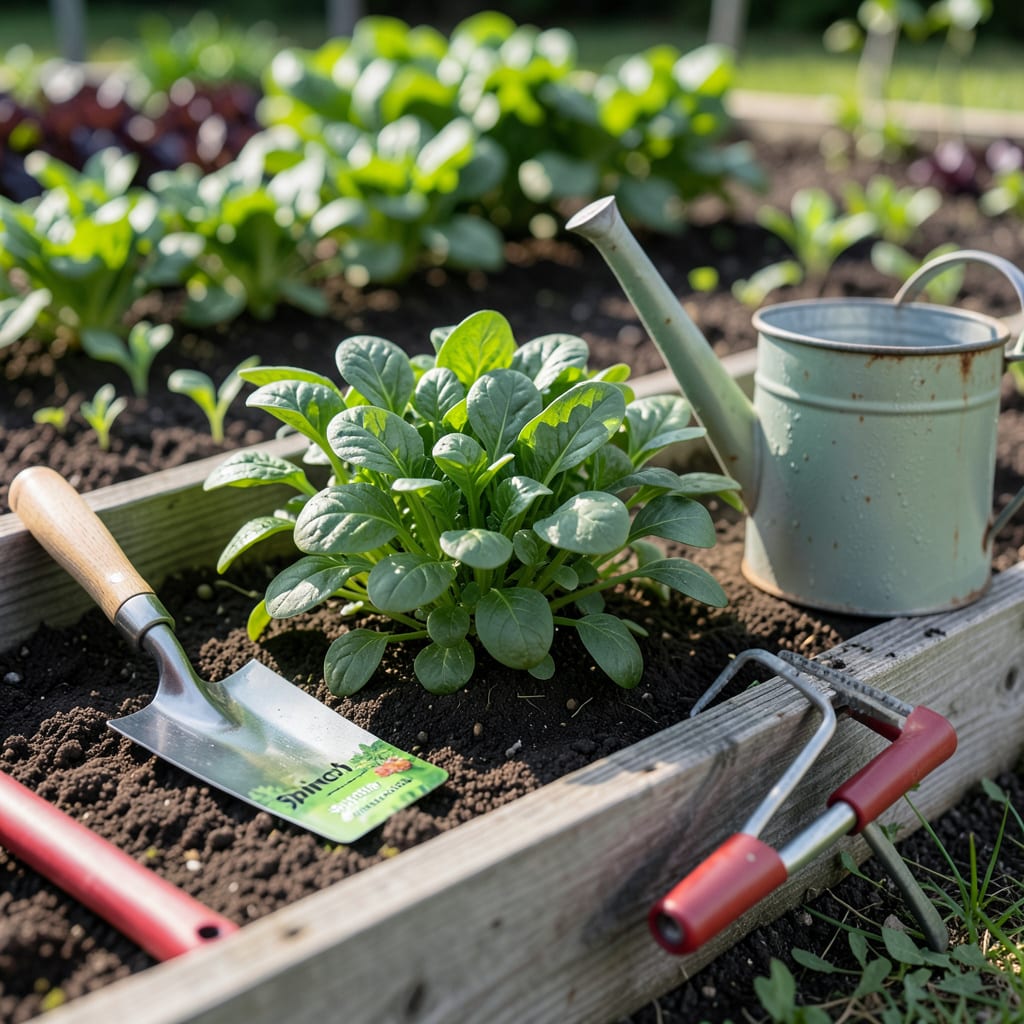
Texas gardeners know the struggle—one day it’s perfect planting weather, the next your spinach bolts before you can blink. The difference between a bountiful harvest and a bitter disappointment often comes down to just a few weeks of timing.
I’ve spent years testing what works across Texas’s wild climate swings, from the Panhandle to the Gulf Coast. Whether you’re in Zone 6 or 10, I’ll show you exactly when to get those seeds in the ground for sweet, tender leaves—without the guesswork. Let’s nail your planting schedule.
If you’ve ever tried growing spinach in Texas, you know our unpredictable weather can make or break your harvest. The secret? Zone-specific timing that accounts for Texas’s wild temperature swings—from North Texas freezes to Gulf Coast humidity. I’ll break down the exact windows for success.
Texas spans USDA Zones 6–10, meaning planting dates vary dramatically. In North Texas (Zone 7-8), you’ll plant earlier than South Texas (Zone 9-10), where mild winters allow for extended growing. The key is avoiding heat-induced bolting while maximizing cool-season growth.
| Region | USDA Zone | Fall Planting | Spring Planting |
|---|---|---|---|
| North Texas (Dallas, Fort Worth) | 7-8 | Sept 15–Oct 15 | Feb 15–Mar 1 |
| Central Texas (Austin, San Antonio) | 8-9 | Oct 1–Nov 15 | Feb 1–Feb 20 |
| Gulf Coast (Houston, Corpus Christi) | 9-10 | Oct 15–Dec 1 | Jan 15–Feb 15 |
| West Texas (El Paso, Lubbock) | 7-8 | Sept 1–Oct 10 | Feb 20–Mar 10 |
*Adjust dates by 1–2 weeks based on microclimates (urban areas may be warmer).
Fall planting is your best bet in Texas—cooler temps and shorter days prevent bolting. In North Texas, aim for late September to give plants time to establish before frost. Gulf Coast gardeners can push planting into November thanks to milder winters.
Spring planting is trickier. The goal is to harvest before temperatures exceed 75°F, which triggers bolting. In Central Texas, I start seeds by early February and use shade cloth by April. West Texas gardeners should watch for late frosts—row covers help extend the season.
Soil temperature matters too! Spinach germinates best at 40–75°F. Use a soil thermometer—if it’s above 80°F, wait or plant in partial shade. In clay-heavy soils (common in East Texas), amend with compost to improve drainage and prevent root rot.
For succession planting, sow new seeds every 2–3 weeks during the fall window. This staggers harvests and ensures a steady supply. I like ‘Bloomsdale Long Standing’ for its heat tolerance and ‘Tyee’ for quick growth—both thrive in Texas if timed right.
Watch the first frost date in your area. In Zone 8, spinach can often overwinter with mulch protection. Further south (Zone 10), it may grow year-round with shade. Always harden off seedlings before transplanting to avoid shock.
Pro tip: Pre-soak seeds for 24 hours to speed germination in Texas’s dry air. And if you’re in a hotter zone, consider container gardening—you can move pots to shadier spots as temps rise. With the right timing, you’ll be harvesting sweet, tender leaves in just 40–50 days!
Texas heat can turn your spinach patch from lush to bolted overnight—but don’t give up! With a few strategic tweaks, you can stretch your harvest well into spring or even summer in milder zones. Here’s how I keep my spinach thriving when temps climb.
The first trick is shade management. Spinach bolts at 75°F+, so I use 30–50% shade cloth by late March in Central Texas. For container gardeners, move pots to east-facing walls for morning sun and afternoon shade. In Zone 9-10, plant near taller crops like tomatoes for natural shade.
Succession planting is your secret weapon. Instead of one big planting, I sow small batches every 2 weeks from September to November. This ensures a continuous harvest before summer hits. In Zone 8, my last fall planting goes in by early November for winter harvests.
For spring plantings, start seeds indoors in January (Zone 8-9) or direct-sow in February (Zone 10). Use row covers to protect young plants from late frosts. I’ve found ‘Space’ hybrid spinach handles Texas springs best—it matures in just 35 days!
Don’t overlook soil prep. Texas soils often lack organic matter, so I mix in 2–3 inches of compost before planting. A balanced fertilizer (5-5-5) at planting helps, but avoid high nitrogen—it encourages leafy growth that’s more prone to bolting. Test your soil pH; spinach prefers 6.5–7.0.
Finally, harvest smart. Pick outer leaves first to keep plants producing. If bolting starts, pinch off flower stalks immediately—this buys you an extra week or two. In Zone 10, I’ve kept spinach alive until June using these tricks! Remember: consistent moisture and cool roots are your best defenses against Texas heat.
With these strategies, you’ll turn spinach from a short-season crop to a Texas garden staple. My record? A 5-month harvest from one fall planting! Now go beat that heat and enjoy those sweet, tender leaves. 🌿
Even experienced Texas gardeners can watch their spinach crop fail if they fall into common traps. After years of trial and error (and plenty of bolted plants!), I’ve pinpointed the biggest mistakes that sabotage spinach success in our unpredictable climate. Let’s fix them before they ruin your harvest.
The #1 error? Planting too late in spring. Texas heat arrives fast, and spinach bolts at 75°F+. I’ve seen gardeners in Zone 8 plant in April—only to watch their crop flower before reaching full size. Stick to February–early March plantings, and use shade cloth if temps spike.
Another critical mistake: neglecting soil prep. Texas soils are often compacted clay or sandy and nutrient-poor. I’ve rescued struggling spinach by mixing in 3 inches of compost and 1 inch of worm castings before planting. Without this, plants grow weak and bolt prematurely.
Underestimating pests is a rookie move. Texas spinach faces leafminers, aphids, and slugs. I lost an entire crop to leafminers before learning to use floating row covers at planting. For slugs, beer traps or diatomaceous earth work wonders—just reapply after rain.
Finally, harvesting wrong cuts your yield short. Never pull whole plants—pick outer leaves first to encourage regrowth. And if you see flower stalks forming, snip them immediately to delay bolting. In Zone 9-10, I’ve kept spinach producing for 3 extra weeks with this trick!
Remember: Texas spinach thrives on cool roots, consistent moisture, and timely planting. Avoid these mistakes, and you’ll be harvesting sweet, tender leaves while your neighbors wonder what went wrong. Now go fix that soil and plant with confidence! 🌿
Planting after the ideal window often leads to premature bolting, where plants flower and turn bitter before harvest. In Texas, late spring plantings (after March 15 in most zones) risk exposure to 75°F+ temps, triggering this response. Stick to zone-specific dates for sweet, tender leaves.
In Zones 9-10 (Gulf Coast), spinach can thrive nearly year-round with protection. Use shade cloth in summer and row covers for occasional cold snaps. Winter is actually ideal—mild temps produce the sweetest leaves. Avoid only the hottest months (June–August) without shade.
Check two things: temperature and workability. Soil should be 40–75°F (use a thermometer) and crumble easily when squeezed. In Texas, clay soils often stay cold longer—wait until they’re dry enough to not form a muddy ball. Amend with compost if drainage is poor.
Deep, infrequent watering works best—1 inch per week, delivered in 2–3 sessions. Use drip irrigation to avoid wetting leaves (which invites disease). Morning watering prevents evaporation. In clay-heavy areas, raised beds improve drainage and prevent root rot.
Opt for heat-tolerant varieties like ‘Bloomsdale Long Standing’ (bolts 2–3 weeks later) or ‘Tyee’ (quick-maturing in 35–40 days). For spring plantings, ‘Space’ hybrid resists bolting well. Always pair with shade cloth if temps exceed 70°F consistently.
