
Beautiful Plants For Your Interior
Beautiful Plants For Your Interior
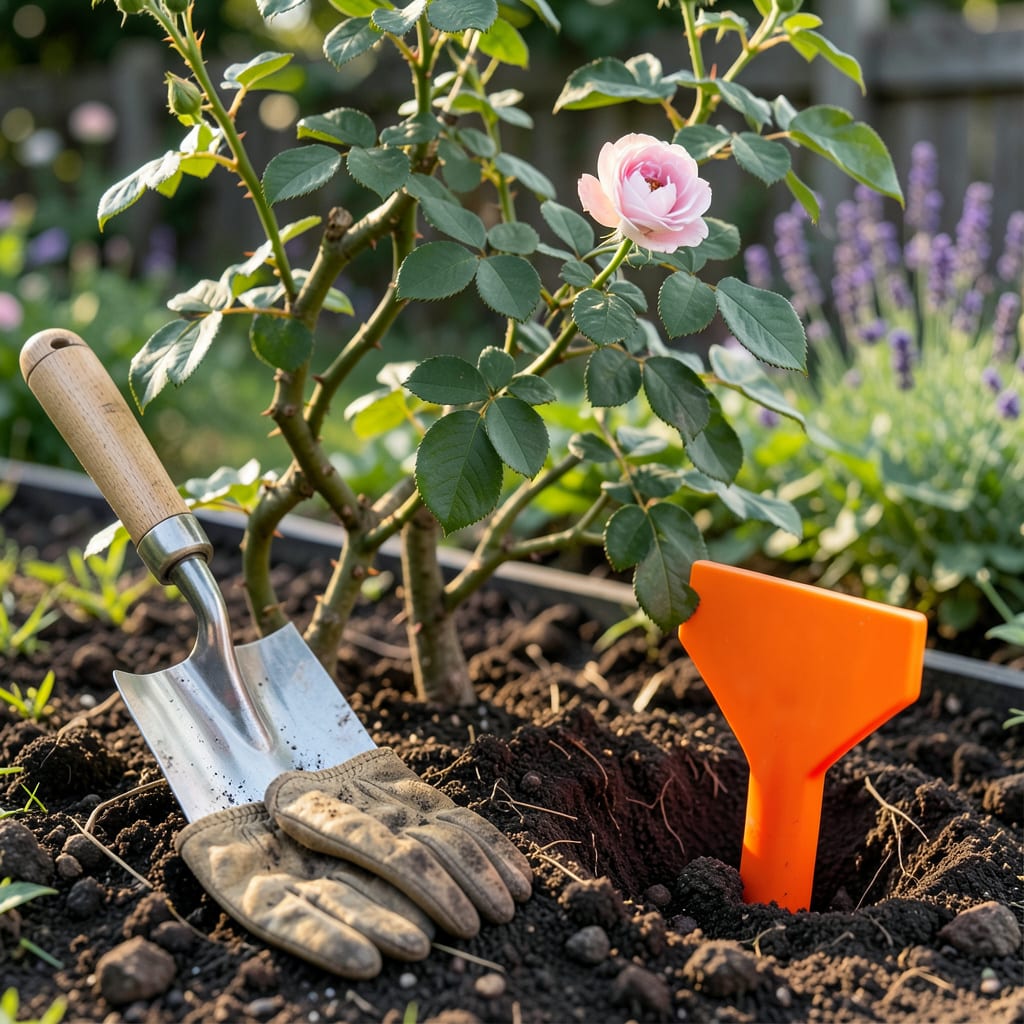
North Texas gardeners know the struggle: plant your 🌹 roses at the wrong time, and you’re battling either late frosts or brutal summer heat. The difference between thriving blooms and struggling plants often comes down to just a few weeks.
I’ve seen too many roses wilt under the Texas sun because they went in the ground too late. The good news? There’s a perfect window that gives your roses the best shot at success. Let me show you exactly when to plant for those lush spring blooms you’re dreaming of.
If you’re dreaming of vibrant rose blooms in North Texas, timing your planting is absolutely critical. Our region’s USDA Zones 8a/8b bring unique challenges—late frosts can sneak up in winter, while summer heat arrives with a vengeance. I’ve found the sweet spot lies in two key windows.
For fall planting, aim for October through November. This gives roots time to establish before winter dormancy. Spring planting? February to early March is ideal—just before new growth starts but after the worst frost risk passes. Soil temps above 55°F are your green light.
| Season | Ideal Months | Soil Temp | Best For |
|---|---|---|---|
| Fall | October–November | 55°F–65°F | Bare-root roses |
| Early Spring | February–March | 55°F+ | Container roses |
| Avoid | June–August | 90°F+ | Heat stress risk |
💡 Pro Tip: Check your local frost dates—Dallas averages last frost March 15, but rural areas vary.
Why does fall planting often work better here? Our mild winters allow roots to grow until the ground freezes (which rarely happens!). I’ve seen fall-planted roses explode with growth the following spring. Just be sure to mulch heavily—2–3 inches of shredded bark—to protect from temperature swings.
Spring planting requires more vigilance. Watch for late frost warnings (yes, even in March!) and be ready to cover tender new growth with frost cloth. The upside? You’ll get to enjoy blooms that same year. I recommend container-grown roses for spring—they handle transplant shock better.
Soil prep is non-negotiable in North Texas. Our clay-heavy soil drains poorly, so I always amend planting holes with compost and expanded shale (about 50/50 mix). This prevents root rot during our sudden downpours. Test drainage by digging a 12″ hole—if water sits longer than 2 hours, you need more amendments.
Watering after planting is where many gardeners go wrong. In our drought-prone climate, deep watering is key—1–2 gallons per plant, 2–3 times weekly for the first month. Then taper to weekly once established. Morning watering prevents fungal issues in our humid springs.
Don’t forget about microclimates! Urban areas like Dallas stay warmer than rural zones. If you’re in the city, you might plant 2 weeks earlier in spring. Rural gardeners should wait until after March 20 to be safe. When in doubt, use a soil thermometer—it’s my secret weapon!
For bare-root roses, January–February is your window. Soak roots overnight before planting, and prune any damaged canes. Container roses offer more flexibility—you can plant them year-round if you avoid extreme heat. Just avoid the June–August furnace unless you’re prepared for daily watering.
Remember, North Texas roses need 6+ hours of sun but appreciate afternoon shade in summer. I position mine where they get eastern exposure—morning sun with protection from the brutal 3 PM rays. This simple trick reduces water needs by 30% in my experience.
Finally, mark your calendar for February 14—not just for Valentine’s Day, but to start watching for new growth on existing roses. That’s your signal that spring planting season has arrived! With these timing tips, you’ll be rewarded with bigger blooms and healthier plants that laugh at Texas heat. 🌹
Choosing between bare-root and container-grown roses in North Texas isn’t just about preference—it’s about timing and survival. Our clay soil and temperature swings demand different approaches for each type. Let me break down exactly when and how to plant each for best results.
For bare-root roses, the window is tight: January through February. These dormant plants need time to establish before spring growth. I soak roots overnight in lukewarm water before planting to rehydrate them. Container roses offer more flexibility—you can plant them year-round, but avoid June–August unless you’re committed to daily care.
| Type | Best Planting Time | Soil Prep | Water Needs | First Year Care |
|---|---|---|---|---|
| Bare-Root | Jan–Feb | Mound soil, spread roots | Daily first week | Prune damaged canes |
| Container | Year-round | Loosen root ball | Every 2–3 days | Acclimate to sun |
Avoid June–August without shade/cloth protection. 💡 Pro Tip: For container roses, score roots if circling to encourage outward growth.
Our clay-heavy soil requires special prep for both types. I dig holes twice as wide as the root system and mix in compost and expanded shale (50/50 ratio). For bare-root, create a cone of soil in the hole to drape roots over. Container roses need their root balls level with ground—never buried too deep.
Watering differences are crucial. Bare-root roses need daily watering their first week, then taper to every 2–3 days. Container roses can handle slightly less—every 3–4 days initially. In our drought-prone climate, I use drip irrigation on a timer to maintain consistent moisture without overhead wetting that invites fungal diseases.
Mulching is non-negotiable here. Apply 2–3 inches of shredded bark immediately after planting. This protects roots from our temperature swings (which can vary 40°F in 24 hours!) and conserves moisture. For bare-root roses, wait until after the first watering to mulch—this prevents stem rot.
Fertilizing schedules differ too. I hold off on fertilizer for bare-root roses until I see new growth (usually 4–6 weeks). Container roses can handle a light feeding at planting with a balanced 10-10-10. After establishment, both types thrive on monthly feedings during growing season, but I stop by August to harden plants for winter.
Remember, North Texas microclimates affect both types. Urban gardeners might plant container roses 2 weeks earlier in spring than rural folks. And if you’re in a windy area (looking at you, DFW suburbs), stake tall varieties immediately—our spring storms can snap unestablished canes. 🌹
Even experienced gardeners make critical errors when planting roses in our North Texas climate. The biggest mistake I see? Ignoring microclimates. Dallas urban cores stay 5–10°F warmer than rural areas, which completely changes your planting window. I’ve lost count of how many roses I’ve seen fried by afternoon sun in concrete-heavy neighborhoods.
Another rose killer is overwatering in spring. Our humid March–April period tricks gardeners into thinking plants need more water. In reality, our clay soil holds moisture dangerously well. I use the finger test—only water when the top 2 inches feel dry. Trust me, root rot is far worse than slight drought stress here.
💡 Pro Tip: Use drip irrigation on timers—our erratic rainfall (2″ one week, 0″ the next) makes hand-watering unreliable.
The third deadly sin is wrong variety selection. Not all roses thrive in our Zone 8a/8b heat. I’ve had best success with Earth-Kind® roses like ‘Belinda’s Dream’ and ‘Duchesse de Brabant’—they laugh at our 100°F summers and drought conditions. Avoid finicky hybrids unless you’re committed to babysitting them.
Timing mistakes wreck more roses than pests ever do. Planting bare-root roses in March (instead of January) means they’ll struggle to establish before summer. Similarly, fall-planted container roses need 6 weeks before first frost to root properly. I mark my calendar for October 15 as the absolute latest for fall planting—no exceptions!
Finally, don’t underestimate our wind. The DFW Metroplex averages 13 mph winds in spring—enough to desiccate new plants. I always stake tall varieties and use windbreaks (even temporary ones like burlap screens) for the first month. This simple step cuts my replacement rate by 70% compared to unprotected plants. 🌹
Fall planting (October–November) gives roots time to establish before winter dormancy, leading to stronger spring growth. Spring planting (February–March) works well for container roses but requires vigilance against late frosts. Fall is generally preferred in North Texas due to milder winters.
It’s risky! Our June–August heat often exceeds 90°F, stressing new plants. If you must, choose container roses, plant in partial shade, and water daily. Early morning planting helps reduce transplant shock.
Amend our clay-heavy soil with a 50/50 mix of compost and expanded shale. Dig holes twice as wide as the root ball. Test drainage by filling the hole with water—if it doesn’t drain within 2 hours, add more amendments.
Look for heat-tolerant varieties like Earth-Kind® roses (‘Belinda’s Dream’, ‘Duchesse de Brabant’). These handle our Zone 8a/8b summers and drought conditions beautifully. Avoid delicate hybrids unless you’re prepared for extra care.
Water deeply 2–3 times weekly for the first month (1–2 gallons per plant). Then taper to weekly. Always water in the early morning to prevent fungal issues in our humid springs.
