
Beautiful Plants For Your Interior
Beautiful Plants For Your Interior
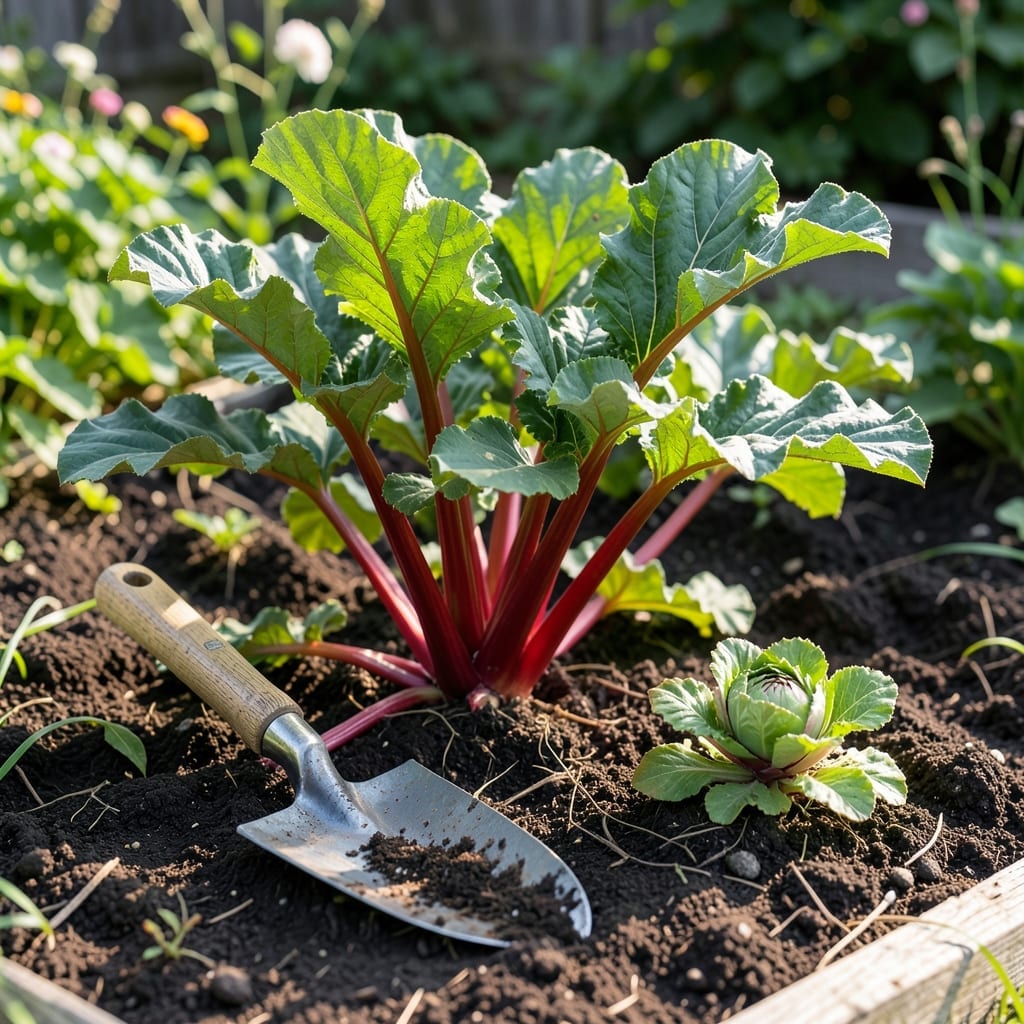
Timing is everything when planting 🌱 Rhubarb in Ontario—get it right, and you’ll enjoy a thriving, low-maintenance harvest for years to come.
Ontario’s 5b zone means you’ve got two ideal windows: early spring or late fall. Plant too early or late, and your Rhubarb may struggle to take root.
I’ll walk you through the best times to plant, why soil temperature matters, and how to prep your garden for success. It’s simpler than you think.
Discover how to give your Rhubarb the perfect start in Ontario’s climate. Let’s get growing.
Ontario’s diverse climate zones mean rhubarb planting times vary slightly. In Southern Ontario, early spring (late March to April) is ideal as soon as the soil is workable. This region warms up faster, giving roots time to establish before summer heat.
For Central and Northern Ontario, wait until mid-April to early May when the risk of hard frost has passed. These areas have shorter growing seasons, so planting too early can expose young crowns to damaging cold.
| Region | Best Planting Time | Soil Temperature | Key Consideration |
|---|---|---|---|
| Southern Ontario | Late March – April | 40-50°F (4-10°C) | Early thaw, longer season |
| Central Ontario | Mid-April – Early May | 45-50°F (7-10°C) | Avoid late frosts |
| Northern Ontario | Early – Mid May | 45-55°F (7-13°C) | Shortest season, plant early |
A late summer planting window (August to early September) also works well across Ontario. This gives rhubarb crowns time to establish roots before winter, leading to strong growth the following spring. I recommend this for gardeners who missed the spring window.
In late summer, aim to plant 4-6 weeks before the first hard frost. This ensures roots have enough time to anchor in the soil without the stress of extreme temperatures. In Southern Ontario, this often means planting by mid-September.
The soil temperature should be above 40°F (4°C) for spring planting and 50°F (10°C) or higher for late summer. Use a soil thermometer to check—this small tool can make a big difference in your success rate.
For Northern Ontario, late summer planting is riskier due to earlier frosts. If you choose this route, plant by late August and add a thick layer of mulch to protect crowns from winter heaving. I’ve seen this approach work well with proper care.
Remember, rhubarb is a perennial, so the initial planting time affects years of future harvests. A well-timed start leads to stronger plants that produce thicker, more flavorful stalks for decades. Patience in the first year pays off handsomely later.
If you’re unsure about your local conditions, consult the Ontario Frost Dates map or ask at a local nursery. They often have hyper-local insights that general guides might miss. I always recommend this for the best results.
Finally, avoid planting during peak summer heat (July) or deep winter. The stress of extreme temperatures can shock the crowns and lead to poor establishment. Stick to the recommended windows for the healthiest plants.
Planting rhubarb in Ontario starts with site selection. Choose a spot with full sun (6-8 hours daily) and well-draining soil to prevent root rot. Rhubarb thrives in loamy soil enriched with organic matter.
Next, prepare the soil by testing its pH level. Rhubarb prefers a pH of 6.0-6.8. If your soil is too acidic or alkaline, amend it with lime or sulfur accordingly. I always add compost or aged manure to boost fertility.
When planting rhubarb crowns, place them with the buds facing up and cover lightly with soil. The top of the crown should be just below the surface. This encourages strong root development and prevents crown rot.
After planting, water thoroughly to settle the soil. Rhubarb needs consistent moisture, especially during its first growing season. I recommend 1-2 inches of water per week, either from rainfall or supplemental watering.
Apply a 3-4 inch layer of mulch around the plants to retain moisture and suppress weeds. Straw or shredded leaves work well. In Ontario’s climate, mulch also helps protect crowns from temperature fluctuations.
Finally, avoid harvesting rhubarb stalks in the first year. Let the plant establish a strong root system. By the second year, you can start harvesting, but limit it to a few stalks to ensure continued growth. Patience now means bigger harvests later.
With proper care, your rhubarb will reward you with abundant stalks for many years. I’ve seen well-tended plants thrive for 15-20 years with minimal maintenance.