
Beautiful Plants For Your Interior
Beautiful Plants For Your Interior
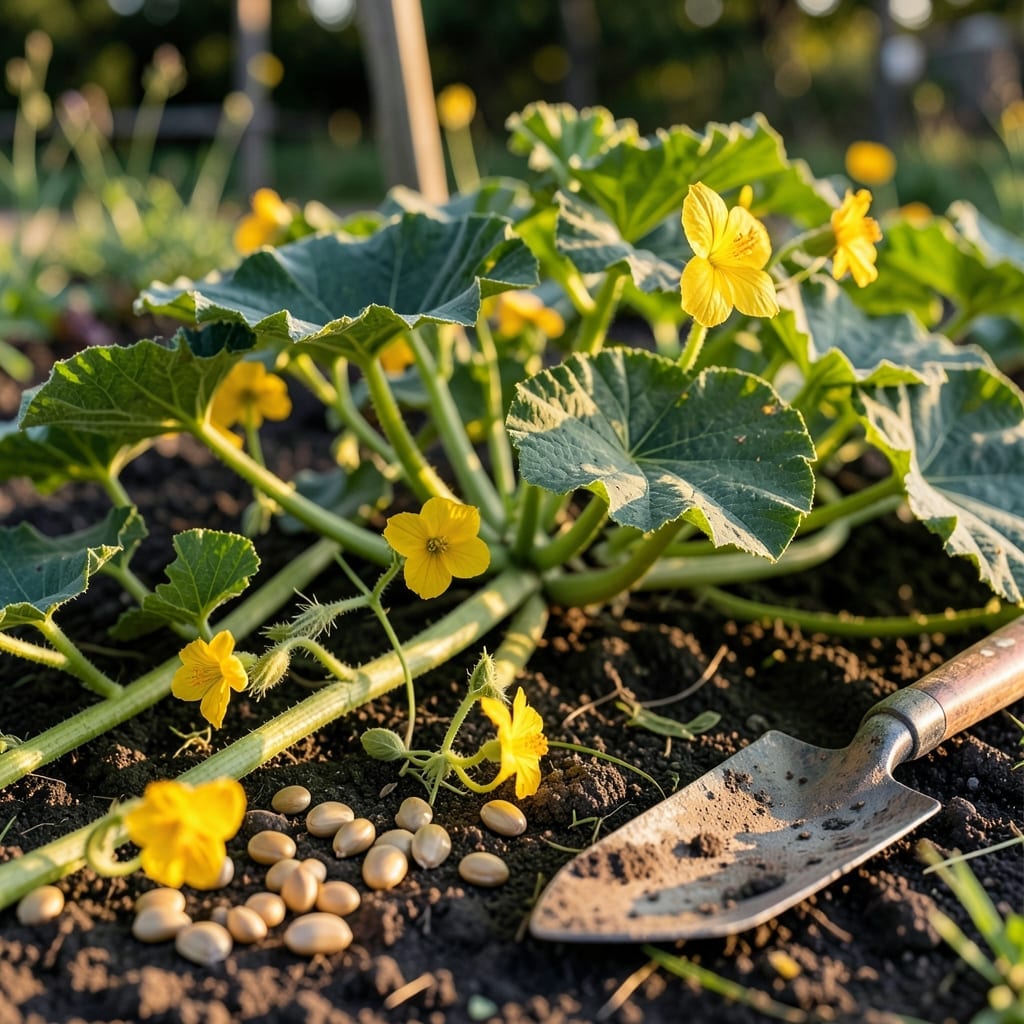
Timing is everything when it comes to growing 🎃 Pumpkin—plant too early or too late, and you risk a disappointing harvest. The right window makes all the difference.
In zone 6, the sweet spot is May to June, when soil warms up and frost threats fade. This timing gives your Pumpkin the full season it needs to thrive.
I’ll show you how to nail the timing for a bountiful fall harvest. Let’s dig into the details that ensure your Pumpkin patch succeeds.
Getting the timing right for pumpkin planting is crucial for a successful harvest. The ideal window depends heavily on your climate zone and local frost dates. I always check when my area’s last spring frost occurs.
Pumpkins need warm soil—at least 60°F—to germinate properly. Planting too early in cold soil can cause seeds to rot. In most regions, this means waiting until late spring or early summer for the best results.
| Zone | Planting Window | Soil Temp | Notes |
|---|---|---|---|
| 3-4 | May 15 – June 1 | 60°F+ | Avoid late frosts |
| 5-6 | May 1 – May 15 | 60°F+ | Ideal for most varieties |
| 7-8 | April 15 – May 1 | 60°F+ | Longer growing season |
| 9-10 | March 15 – April 1 | 65°F+ | Early start possible |
In cooler zones like 3-4, I wait until mid-May to plant. The soil is finally warm enough, and the risk of frost has passed. This timing ensures my pumpkins have a full growing season before the first fall frost.
For warmer zones like 7-8, planting can start as early as mid-April. The longer growing season allows for larger varieties. Just be sure to monitor soil temperature closely.
In zone 9-10, pumpkins can go in the ground by mid-March. The heat-loving plants thrive in these conditions. I always use mulch to retain moisture and keep soil temps stable.
Remember, soil temperature is more important than air temperature. I use a soil thermometer to check. If it’s below 60°F, I wait a few more days before planting.
Another key factor is the days to maturity for your pumpkin variety. Most standard pumpkins take 90-120 days to mature. I count backward from my area’s first fall frost date to determine the latest safe planting time.
For example, if my first frost is October 15, I subtract 120 days to find my last planting date: around June 15. This ensures my pumpkins have enough time to mature before cold weather hits.
I also consider fast-maturing varieties for late plantings. Some pumpkins, like ‘Jack Be Little’, mature in as few as 85 days. These are great for extending the planting window into early summer.
Preparing your soil and seedlings properly gives pumpkins the best start. I always begin by testing my soil’s pH level—pumpkins prefer a range of 6.0 to 6.8. If needed, I amend with lime or sulfur to adjust it.
Next, I work in plenty of compost or well-rotted manure to improve fertility and drainage. Pumpkins are heavy feeders, so rich soil is a must. I also ensure the planting area gets full sun for at least 6-8 hours daily.
For seed starting, I have two options: direct sowing or starting indoors. Direct sowing works well in warmer zones, but I start seeds indoors 2-4 weeks early in cooler climates. This gives them a head start before transplanting.
If starting indoors, I use peat pots to avoid disturbing roots during transplant. I keep the soil warm with a heat mat and provide plenty of light. Once the seedlings have 2-3 true leaves, they’re ready to harden off before moving outside.
For direct sowing, I wait until soil is 60°F or warmer. I plant seeds 1 inch deep and space them 2-3 feet apart in rows 5-6 feet apart. This gives vines room to sprawl without crowding.
A common mistake is overwatering seeds or seedlings. Pumpkins need consistent moisture, but soggy soil can cause rot. I water deeply once a week unless rainfall provides enough moisture. Mulching helps retain soil moisture and suppress weeds.
Finally, I protect young plants from pests like cucumber beetles. I use row covers early on and remove them when flowers appear for pollination. This simple step prevents many early-season problems.