
Beautiful Plants For Your Interior
Beautiful Plants For Your Interior
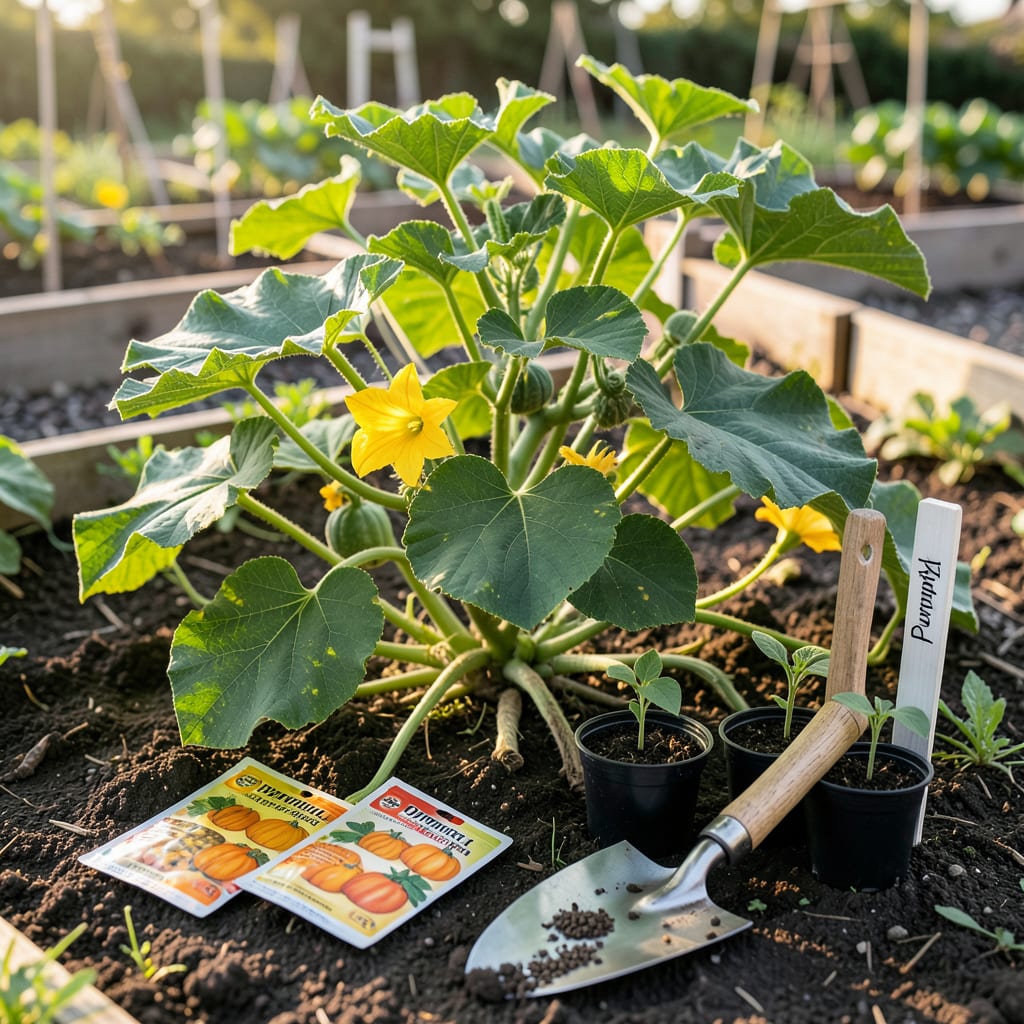
Timing your 🎃 pumpkin planting in California can mean the difference between a thriving harvest and a disappointing patch. Our state’s diverse microclimates—from foggy coasts to scorching deserts—demand precise planning that generic advice just can’t provide.
I’ve dug into the data for every USDA zone, from cooler coastal areas to inland heat traps, to pinpoint your ideal window. Whether you’re dreaming of jack-o’-lanterns or pie pumpkins, you’ll discover exactly when to get those seeds in the ground for a September-October bounty—without the guesswork.
California’s diverse microclimates make pumpkin planting a science. From foggy Zone 7 coastlines to Zone 11 deserts, your timing can vary by months. The golden rule? Wait until soil temps hit 65°F—pumpkins hate cold feet!
I’ve broken down the ideal windows for each zone, factoring in last frost dates, heat tolerance, and days to maturity. Coastal gardeners can start earlier than inland folks, while desert growers must dodge summer’s scorching peak. Let’s dig into the specifics.
| USDA Zone | Best Planting Months | Last Frost Date | Soil Temp Target | Harvest Window |
|---|---|---|---|---|
| 7 (Coastal) | April – May | March 15 | 60-65°F | Late September |
| 8 (Central Valley) | March – April | February 15 | 65-70°F | Early October |
| 9 (Inland) | February – March | January 31 | 70°F+ | Mid-September |
| 10 (Southern CA) | January – February | None | 70-75°F | Late August |
| 11 (Desert) | November – December | None | 75°F+ | March-April |
*Desert zones plant in fall for spring harvest to avoid summer heat
Notice how Zone 7 coastal areas start later than Zone 10 SoCal? That’s because cooler spring temps linger near the ocean. I recommend using a soil thermometer—don’t guess! Pumpkin seeds rot in cold, wet ground.
For desert growers, fall planting is non-negotiable. Summer’s 100°F+ temps will fry young plants. In Zone 9 inland areas, you can push the envelope with black plastic mulch to warm soil 2-3 weeks earlier.
Pro tip: Giant pumpkin varieties need 120+ days to mature, so plant them 2-3 weeks earlier than standard types. ‘Atlantic Giant’ lovers in Zone 8 should start seeds indoors in late February for transplanting.
Don’t forget about microclimates! A sunny south-facing slope in Zone 7 might act like Zone 8, letting you plant earlier. Conversely, low-lying areas collect cold air—delay planting there by 1-2 weeks.
For pie pumpkins like ‘Sugar Pie’, you can plant slightly later since they mature in 90-100 days. But jack-o’-lantern types (‘Howden’, ‘Gladiator’) need the full season—don’t procrastinate!
Remember: These dates are guidelines. Always check your local weather forecast for late frosts or heat waves. When in doubt, wait for consistent 65°F+ soil temps—your pumpkins will thank you with bigger, healthier fruit.
Want to extend your season? Try row covers for early planting in cooler zones, or shade cloth to protect desert plants from afternoon sun. With these adjustments, you can fine-tune the schedule for your exact location.
Even with perfect timing, California gardeners can sabotage their 🎃 pumpkin crop with common mistakes. I’ve seen healthy seedlings wilt from overwatering and vines strangle themselves from poor spacing. Let’s tackle the five biggest blunders that turn pumpkin dreams into disappointments.
The Golden State’s unique challenges—drought conditions, Santa Ana winds, and unpredictable microclimates—demand special attention. What works in humid Midwest gardens often fails here. I’ll show you how to adapt classic pumpkin advice for our Mediterranean climate and specific zones.
Seeds rot below 60°F. Use a soil thermometer—don’t guess! Coastal gardeners often plant too early.
Each plant needs 100+ sq ft. Crowding causes disease and stunts fruit. Train vines vertically if space is tight.
Deep water 2-3x weekly (more in Zone 11). Drought stress causes blossom-end rot. Mulch to retain moisture.
Work in 3 inches of compost and aim for pH 6.0-6.8. Sandy SoCal soil needs extra organic matter.
Squash bugs and cucumber beetles thrive here. Use row covers early and handpick pests daily.
In Zone 10/11 desert areas, mistake #3 becomes critical. The intense sun evaporates moisture quickly, but overwatering invites fungal diseases. I recommend drip irrigation on a timer—set for pre-dawn watering to reduce evaporation.
For coastal Zone 7 gardeners, mistake #1 is your nemesis. Those lingering spring fogs keep soil cool. Try raised beds—they warm up faster than ground soil. Or lay black plastic mulch 2-3 weeks before planting to jumpstart warming.
Here’s a pro tip about mistake #2: If you’re growing ‘Atlantic Giant’ varieties, their vines can spread 20+ feet! In urban gardens, train them up a sturdy trellis (support fruit with slings). For compact spaces, choose ‘Mini Jack’ or ‘Baby Boo’ varieties.
Mistake #4 hits hardest in Central Valley’s clay soil. Before planting, I mix in gypsum to improve drainage and worm castings for nutrients. Test your soil—many California gardens are alkaline and may need sulfur amendments for that perfect pumpkin pH.
Don’t let mistake #5 ruin your harvest! In inland areas, release beneficial nematodes early to control squash vine borers. For organic gardens, neem oil sprays (applied at dusk) deter beetles without harming pollinators. Always remove plant debris promptly—it harbors overwintering pests.
Remember: California’s long growing season is both a blessing and curse. While you can often plant later than other states, our intense sun and water restrictions demand extra vigilance. Keep a garden journal to track what works in your microclimate—next year’s pumpkins will thank you!
Not all pumpkins grow at the same pace, and in California’s varied climate, choosing the right variety can make or break your harvest. I’ve tested dozens of types and found that growth speed matters just as much as flavor or size. Let’s explore which varieties thrive in our unique conditions.
Our long growing season gives us flexibility, but heat waves and drought conditions demand smart variety selection. Whether you want quick-harvest pie pumpkins or giant jack-o’-lanterns, I’ll show you the best options for your specific zone and growing goals.
| Variety | Days to Harvest | Best For | Size | Ideal Zones |
|---|---|---|---|---|
| Sugar Pie | 90-100 | Pie making | 4-6 lbs | 7-10 |
| Howden | 100-110 | Jack-o’-lanterns | 15-25 lbs | 8-11 |
| Cinderella | 95-105 | Heat tolerance | 10-15 lbs | 9-11 |
| Atlantic Giant | 120-130 | Giant pumpkins | 100+ lbs | 7-9 |
| Baby Boo | 85-95 | Small spaces | 1-2 lbs | 7-11 |
| Gladiator | 105-115 | Disease resistance | 20-30 lbs | 8-10 |
*Start giant varieties 2-3 weeks earlier than standard types
For coastal Zone 7 gardeners, I recommend ‘Sugar Pie’ or ‘Baby Boo’ because they mature quickly before summer fog rolls in. These compact varieties also handle cooler nights better than their larger cousins.
In hot inland zones (9-10), ‘Cinderella’ and ‘Howden’ shine thanks to their heat tolerance. Their slightly longer growing season works well with our warm falls. Just be sure to mulch heavily to protect roots from scorching.
Dreaming of giant pumpkins? ‘Atlantic Giant’ needs our longest season areas (Zone 8-9) and rich, well-drained soil. Start seeds indoors in late February for transplanting when soil warms. Remember, these monsters need 200+ sq ft per plant!
For urban gardeners with limited space, ‘Baby Boo’ and ‘Mini Jack’ are perfect. They produce adorable 1-3 lb fruits on compact vines. Try growing them in 5-gallon containers with a trellis for vertical growth.
No matter which variety you choose, remember that California’s intense sun can stress plants. Provide afternoon shade in Zone 11, and consistent moisture everywhere. With the right variety and care, you’ll be harvesting perfect pumpkins just in time for fall! 🎃
Pumpkin seeds need soil that’s at least 65°F to germinate properly. In cooler coastal areas, use a soil thermometer to check—planting too early in cold soil leads to rot.
Yes, but choose compact varieties like ‘Baby Boo’ and use 5-gallon containers minimum. Ensure excellent drainage and full sun exposure. Dwarf varieties work best for patios and balconies.
Use windbreaks like burlap screens or plant in sheltered locations. Young plants are vulnerable to drying out. In desert zones, afternoon shade cloth helps prevent windburn and sun scorch.
Underestimating space needs! Each vine requires 100+ sq ft. Crowding causes poor air circulation and disease. Train vines vertically if space is limited, using slings to support developing fruit.
Try black plastic mulch to warm soil 2-3 weeks earlier, or use row covers for frost protection. These methods help coastal gardeners start earlier while avoiding cold soil issues.
