
Beautiful Plants For Your Interior
Beautiful Plants For Your Interior
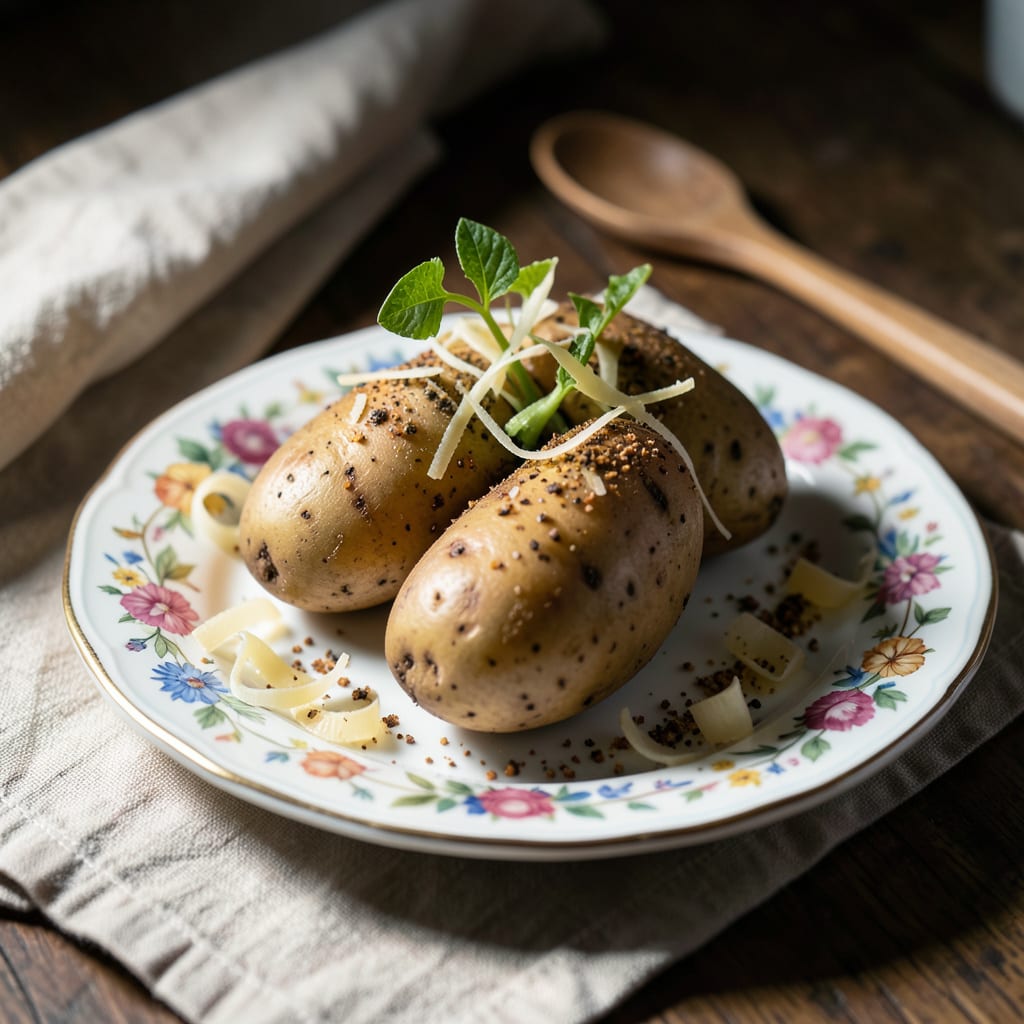
Growing potatoes 🥔 in Florida can be a rewarding experience if you time it just right. The Sunshine State’s unique climate means you need to plant at the perfect moment to avoid extreme weather conditions.
In Florida’s USDA zones 9-11, the ideal time to plant potatoes is during the cooler months – typically January to February or September to October. Let’s explore how to make the most of these planting windows.
Ideal Time
Also Good
Understanding the best time to plant potatoes in Florida is crucial for a successful harvest. Florida’s climate varies significantly from north to south, affecting planting times and techniques. The state’s USDA zones range from 9 to 11, creating different growing conditions across regions.
The ideal time to plant potatoes in Florida depends on your location and the specific climate zone you’re in. Generally, the cooler months are best for potato cultivation. Let’s examine the specific planting windows and factors to consider.
For North Florida, the last frost date is typically around mid-January, while in South Florida, frost is rare. This information is critical when planning your potato planting schedule. In general, potatoes thrive in cooler temperatures between 40°F and 70°F (4°C to 21°C).
The fall planting season, from September to October, allows potatoes to mature before the winter chill sets in. This timing is particularly beneficial in North Florida where winters can be cooler. During this period, the soil temperature is still warm enough for quick germination.
The winter planting season, from January to February, is another excellent time to plant potatoes in Florida. The cooler temperatures during these months reduce the risk of pests and diseases, giving your potatoes a healthy start.
Soil temperature is another critical factor when planting potatoes. Ideally, the soil should be between 45°F and 55°F (7°C to 13°C) for optimal germination and growth. You can use a soil thermometer to check the temperature at a depth of 4-6 inches.
Regional Variations: In South Florida, you can plant potatoes year-round, but it’s still best to avoid the hottest summer months. In North Florida, be prepared to protect your crop from potential frosts during the winter months.
To ensure a successful potato harvest in Florida, it’s essential to choose the right potato variety for your region and planting season. Some varieties are more resistant to heat or disease, making them better suited to Florida’s climate.
By understanding these seasonal considerations and planning accordingly, you can enjoy a bountiful potato harvest in Florida. Whether you’re planting in the fall or winter, careful timing and preparation are key to success.
Successful potato cultivation in Florida begins with proper soil preparation. The right soil conditions can make a significant difference in your harvest’s quality and quantity. Let’s explore the essential steps to prepare your soil for potato planting.
Florida’s diverse soil types require specific preparation for optimal potato growth. Potatoes thrive in well-draining, loose soil with a pH between 4.5 and 7.0. The ideal soil texture is sandy loam or loamy sand, which allows for proper drainage and aeration.
Test your soil pH and adjust it if necessary. Add organic matter like compost to improve soil structure and fertility. For heavy soils, consider raised beds to enhance drainage 🌿
To prepare your soil for potato planting, start by testing your soil’s pH level. You can purchase a soil testing kit or consult your local extension office for guidance. If your soil is too acidic or alkaline, adjust it accordingly to fall within the optimal pH range for potatoes.
Adding organic matter is another crucial step in soil preparation. Incorporate compost or well-rotted manure into the soil to improve its structure and fertility. This will help retain moisture, suppress diseases, and provide essential nutrients for your potato crop.
Potatoes require well-draining soil to prevent rot and other diseases. If your soil is heavy clay or prone to waterlogging, consider creating raised beds to improve drainage. Raised beds also warm up faster in the cooler planting seasons, giving your potatoes a head start 🌱
In addition to improving drainage, ensure your soil is free of debris and rocks. Potatoes can become deformed if they encounter obstacles while growing. Remove any stones, sticks, or other debris from the planting area to give your potatoes the best chance to grow smoothly.
By following these soil preparation tips, you’ll create an ideal environment for your potatoes to thrive in Florida’s climate. Proper soil preparation is a critical step that sets the foundation for a successful harvest 🌼
When growing potatoes in Florida, it’s essential to be aware of common pitfalls that can impact your harvest. By understanding these potential issues, you can take steps to avoid them and ensure a successful crop.
One of the most critical mistakes is planting at the wrong time. Florida’s climate varies significantly across regions, and planting potatoes during the wrong season can lead to poor yields or crop failure.
Avoid planting potatoes during Florida’s hot summer months when temperatures are consistently high. This can lead to poor tuber formation and increased risk of disease. Instead, focus on the cooler seasons for better results 🌡️
Poor soil preparation is another common mistake that can negatively impact your potato crop. Potatoes require well-draining, loose soil with the right pH balance. Failing to test and amend your soil can result in suboptimal growing conditions.
To avoid these issues,
By being aware of these common mistakes and taking steps to avoid them, you can improve your chances of a successful potato harvest in Florida.
Additional Tips: Keep an eye out for pests and diseases that can affect potatoes in Florida, such as nematodes and late blight. Using certified disease-free seed potatoes and practicing crop rotation can help mitigate these risks.
The ideal time to plant potatoes in Florida is during the cooler months, typically January to February or September to October. These periods offer optimal growing conditions with temperatures between 40°F and 70°F (4°C to 21°C).
Florida’s climate varies from north to south, with USDA zones ranging from 9 to 11. In North Florida, be prepared for potential frosts during winter, while in South Florida, you can plant year-round but avoid the hottest summer months. The state’s diverse climate requires adjusting planting times accordingly.
Potatoes thrive in well-draining, loose soil with a pH between 4.5 and 7.0. The ideal soil texture is sandy loam or loamy sand, which allows for proper drainage and aeration. Adding organic matter like compost can improve soil structure and fertility.
Common mistakes include planting at the wrong time, poor soil preparation, and not protecting against pests and diseases. Avoid planting during hot summer months and ensure your soil is well-draining and free of debris. Using certified disease-free seed potatoes can also help mitigate risks.
