
Beautiful Plants For Your Interior
Beautiful Plants For Your Interior
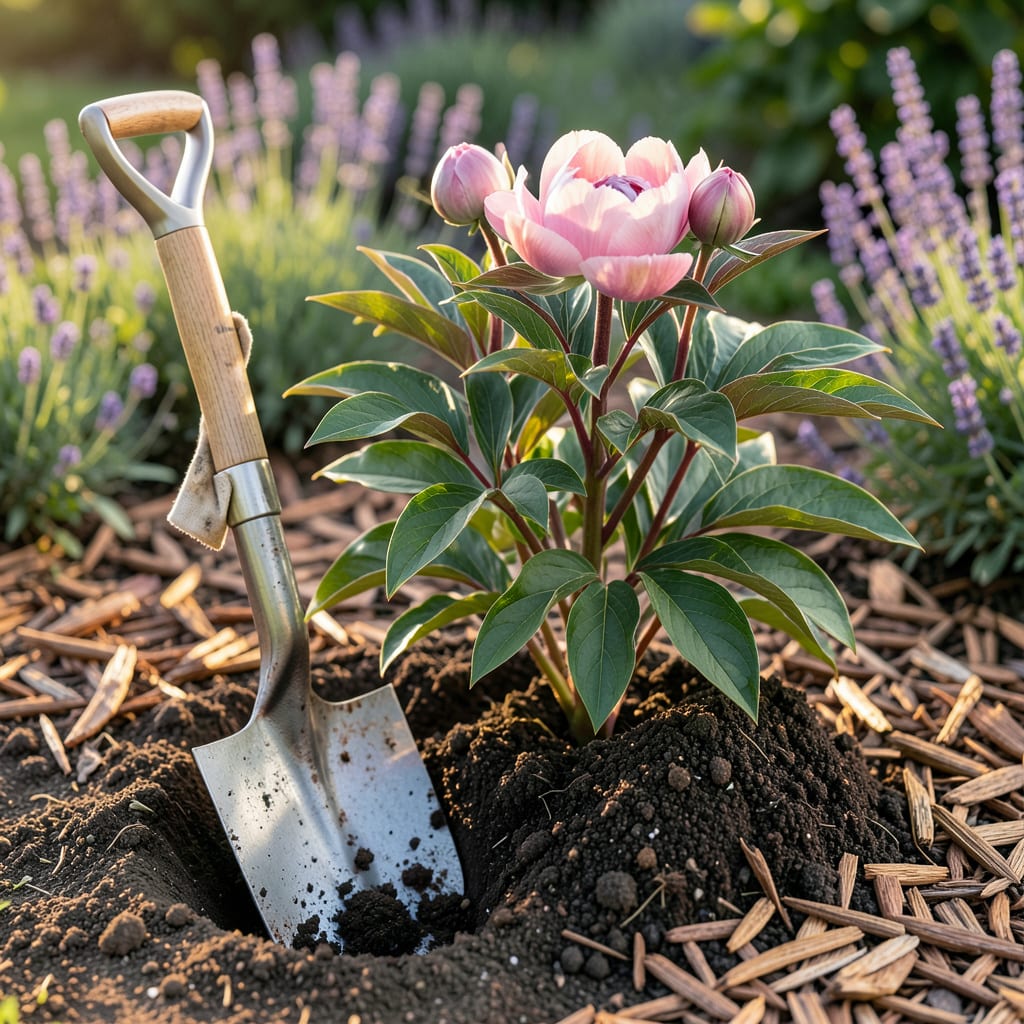
There’s nothing quite like the sight of lush peonies blooming in spring—but in Georgia, timing your planting wrong could leave you with lackluster results. The difference between thriving 🌸 and struggling plants often comes down to just a few weeks.
I’ve seen gardeners make the same mistake: planting too late in fall or too early in spring, only to wonder why their peonies never take off. Let’s cut through the guesswork and pinpoint the perfect window for Georgia’s climate—so you can enjoy those stunning blooms year after year.
Georgia’s diverse climate means the ideal peony planting window shifts slightly depending on where you live. In North Georgia (Zones 7a-7b), aim for mid-October to early November—just before the first hard frost. This gives roots time to establish without winter stress.
Further south, in Central and Coastal Georgia (Zones 8a-9a), you’ve got a bit more flexibility. Late October through December works well, as milder winters allow roots to grow longer. The key? Plant at least 4-6 weeks before your area’s first expected frost.
| Region | USDA Zone | Best Planting Months | Notes |
|---|---|---|---|
| North Georgia | 7a-7b | Mid-October to Early November | Plant 6 weeks before first frost |
| Central Georgia | 8a-8b | Late October to Mid-November | Soil stays warmer longer |
| Coastal Georgia | 8b-9a | November to Early December | Mild winters extend planting window |
Why does fall planting work best? Peonies need cold stratification—a period of winter chill—to trigger spring blooms. Planting in fall allows roots to grow before dormancy, while spring planting often leads to weak first-year growth and fewer flowers.
If you miss the fall window, don’t panic. Container-grown peonies can be planted in early spring (February-March), but they’ll need extra watering as Georgia’s heat arrives. Bare-root peonies, however, must go in the ground in fall for best results.
Georgia’s clay-heavy soil can be a challenge, so I always recommend amending with compost before planting. This improves drainage—critical for preventing root rot during our wet winters. A 2-3 inch layer of mulch after planting helps protect roots from temperature swings.
For urban gardeners in Atlanta or Savannah, watch for heat islands that delay frost. Rural areas and higher elevations (like the Blue Ridge Mountains) may need earlier planting. When in doubt, check your local frost dates and count backward 6 weeks.
Pro tip: If you’re planting tree peonies (which are more heat-tolerant), you can push the window slightly later—even into December in warmer zones. But for classic herbaceous peonies, stick to the earlier timeline for reliable blooms.
Remember, peonies are long-lived perennials—once established, they can thrive for decades. Getting the planting timing right in that first year sets the stage for bigger, bolder blooms every spring. So grab your calendar, mark those dates, and get ready for peony success! 🌸
Still unsure? Test your soil temperature—peony roots grow best when soil is between 50-60°F. A simple soil thermometer takes the guesswork out of timing. Happy planting! 🪴
Planting peonies in Georgia’s clay-rich soil requires a bit of prep work, but trust me—it’s worth the effort. The key is creating a well-draining bed that prevents root rot while giving your peonies the nutrients they need to thrive for decades.
Start by choosing your planting spot carefully. Peonies need 6+ hours of sunlight daily, though afternoon shade helps in Georgia’s hotter zones. Avoid low-lying areas where water pools—our heavy winter rains can drown young roots before they establish.
Planting too deep is the #1 reason peonies fail to bloom. In Georgia’s soil, the “eyes” (buds) should sit no more than 2 inches below the surface. Plant deeper, and you’ll get foliage but zero flowers!
For bare-root peonies, soak the roots in water for 2-4 hours before planting. Dig a hole 12-18 inches wide and mix the removed soil with compost or aged manure—this loosens our dense Georgia clay. Place the root in the hole, spread the roots outward, and backfill gently.
If you’re planting potted peonies, loosen the root ball first and trim any circling roots. Space plants 3-4 feet apart to allow for mature growth—crowding leads to poor air circulation and fungal diseases in our humid climate.
After planting, water deeply to settle the soil, then add a 2-3 inch mulch layer (pine straw works well in Georgia). Keep the mulch away from the stem to prevent rot. In the first year, water weekly unless we get heavy rains—consistent moisture helps roots establish.
For extra insurance against Georgia’s unpredictable winters, I like to add a light layer of straw mulch after the ground freezes. This protects new plants from temperature swings while still allowing the cold stratification peonies need to bloom. Come spring, you’ll be rewarded with stronger stems and bigger blooms! 🌷
Even with perfect planting timing, Georgia’s climate throws a few curveballs at peony growers. The secret to bigger, brighter blooms lies in mastering three critical factors: sunlight exposure, watering consistency, and smart companion planting. Get these right, and you’ll outshine neighbors stuck with leggy, flowerless plants.
First up is sunlight—Georgia’s intense summer sun can scorch peony foliage if they’re not strategically placed. While peonies crave 6+ hours of direct light, our afternoon heat (especially in Zones 8-9) often demands partial shade protection. East-facing beds or dappled shade from tall trees work beautifully here.
Aim for morning sun + afternoon shade in hotter zones. Use shade cloth if needed—Georgia’s UV index can bleach petals!
Deep weekly watering beats daily sprinkles. Georgia’s clay holds moisture, so test soil—if it’s damp 2 inches down, skip watering.
Pair with deep-rooted plants like coneflowers or Russian sage to avoid competition. Avoid shallow-rooted annuals that steal water.
Georgia’s humidity and clay soil make overwatering a silent peony killer. I use the “finger test”—stick your finger in the soil. If the top 1-2 inches are dry, it’s time to water. Drip irrigation works better than overhead sprinklers, which can promote fungal diseases in our damp springs. Mulching with pine straw helps retain moisture while preventing soil splash on leaves.
Here’s a Georgia-specific trick: If your peonies develop leggy stems or flop over, they’re likely stretching for light or over-fertilized. Cut back on nitrogen and add a grow-through support ring early in spring. For poor blooming, check if nearby plants are competing—peonies hate crowded roots! I’ve had great success interplanting with alliums or daffodils, which bloom earlier and don’t compete.
Finally, watch for foliar diseases like botrytis, common in Georgia’s humid springs. Space plants for airflow, water at the base (never overhead), and remove spent blooms promptly. A light fungicide spray in early spring can prevent issues before they start. With these adjustments, you’ll transform finicky peonies into reliable showstoppers that return bigger and better each year. 🌷
Spring-planted peonies often struggle in Georgia’s heat. They’ll focus on surviving rather than establishing roots, leading to weaker growth and fewer blooms the first year. If you must plant in spring, choose container-grown (not bare-root) and water religiously.
Georgia’s clay soil needs amending for peonies to thrive. Test drainage by digging a 12-inch hole, filling it with water, and timing how long it takes to empty. If water sits longer than 1 hour, mix in compost or sand. Aim for soil that drains within 15-30 minutes for happy roots.
Yes, but choose a large container (at least 15 gallons) with drainage holes. Use a well-draining potting mix and place pots where they’ll get morning sun but afternoon shade. Potted peonies need daily watering in summer and winter protection—move pots to a sheltered spot when temps drop below 20°F.
The top 3 reasons in Georgia: planting too deep (eyes more than 2 inches below soil), not enough chill hours (common in Zone 9a), or over-fertilizing with nitrogen. Check planting depth first—it’s the most common fix! Also, peonies can take 2-3 years to bloom after planting, so patience pays off.
Mulch heavily (3-4 inches of pine straw) to retain moisture and cool roots. Water deeply 2x weekly during droughts, but avoid wetting foliage to prevent fungus. In Zone 9a, afternoon shade is a must—consider shade cloth if your yard lacks natural protection. Cut back on fertilizer in summer; heat-stressed plants can’t use the extra nutrients.
