
Beautiful Plants For Your Interior
Beautiful Plants For Your Interior
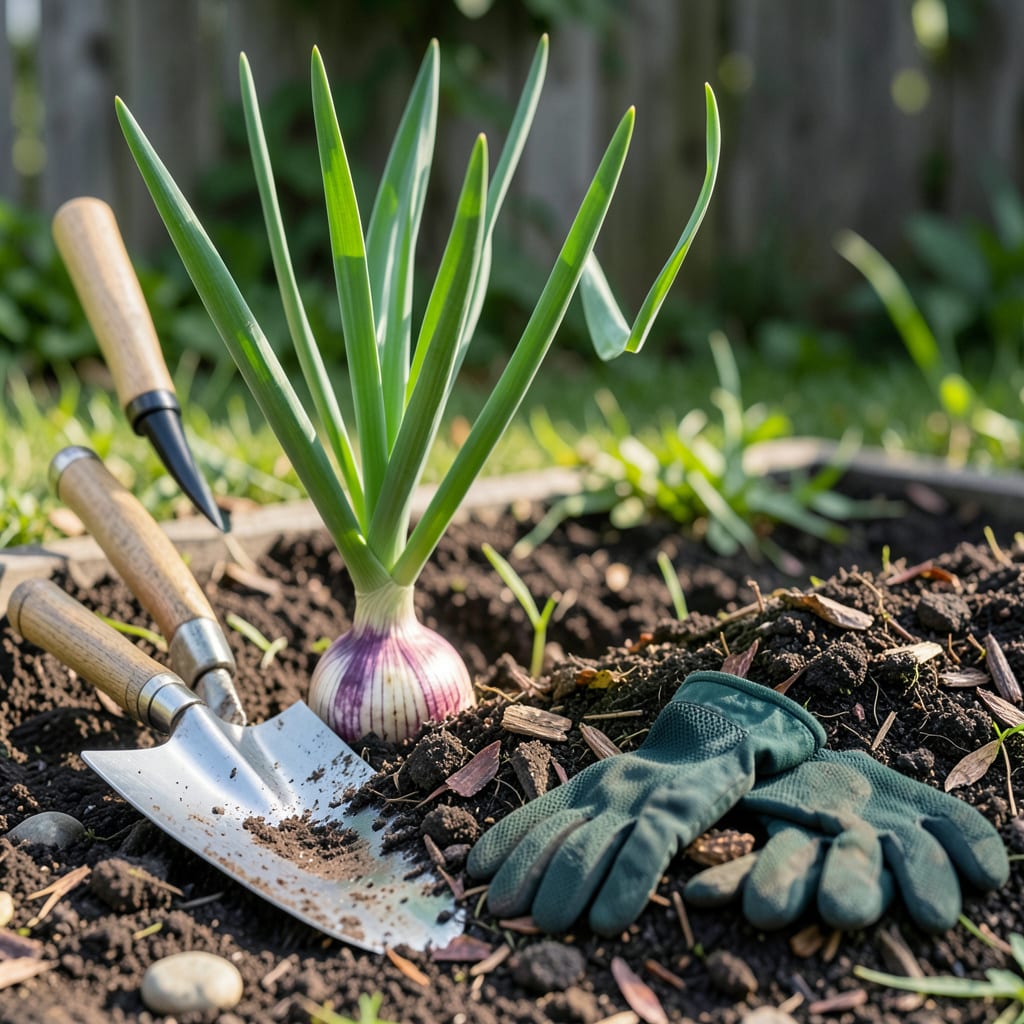
Timing can make or break your 🧅 onion harvest in Zone 8b. Plant too early, and you risk bolting; wait too long, and you’ll miss that perfect sweetness we all crave. The good news? Your mild winters open up two prime planting windows—fall and late winter—that most gardeners don’t even realize exist.
I’ve tested these seasons myself, and the results speak for themselves: juicier bulbs, fewer pests, and harvests that stretch from spring through summer. Let’s cut through the guesswork and pinpoint exactly when to get those bulbs in the ground for your biggest, sweetest onions yet.
If you’re growing onions in Zone 8b, timing isn’t just important—it’s everything. Our mild winters and long growing season give us a unique advantage, but miss the window and you’ll end up with tiny bulbs or premature bolting. I’ve found the sweet spot lies in fall planting for most varieties.
Here’s why: Onions need cool soil (50°F–65°F) to establish roots before bulb formation kicks in. In Zone 8b, that means getting bulbs in the ground 4–6 weeks before our first frost, which typically hits around mid-November. This gives roots time to develop without triggering top growth too early.
For short-day onions like ‘Texas Early White’ or ‘Red Creole’, I swear by late October plantings. These varieties need 10–12 hour days to form bulbs, which perfectly aligns with our spring daylight. Plant them in fall, and they’ll develop roots through winter, then explode with growth as days lengthen.
If you’re growing intermediate-day varieties like ‘Candy’ or ‘Super Star’, push your planting to early November. These need 12–14 hour days to bulb, so they’ll start forming later in spring. I’ve had great success with these planted just before Thanksgiving.
Don’t overlook soil prep—this makes or breaks your timing. I work in 2–3 inches of compost and ensure good drainage. Onions hate wet feet! A quick soil test is worth it; aim for pH 6.0–6.8. Too acidic, and you’ll stunt growth no matter when you plant.
Here’s my pro tip: Use a soil thermometer to take the guesswork out. When your soil hits 50°F at 2-inch depth, it’s go time. In Zone 8b, that’s often earlier than calendar dates suggest. I’ve planted as early as mid-October in warm microclimates with great results.
Remember that day length triggers bulbing, not just temperature. Our Zone 8b spring provides the perfect 12–14 hour days that intermediate varieties crave. Plant too late, and you’ll get more greens than bulbs. I learned this the hard way with a late March planting that never sized up.
For overwintering onions, December plantings can work if you use mulch. I use 4–6 inches of straw to protect bulbs during our occasional cold snaps. These will be ready to harvest by early May, just as your spring-planted onions are getting started.
No matter when you plant, consistency is key. Onions need 1 inch of water weekly—more during bulb formation. I set up drip irrigation on a timer to maintain even moisture. Uneven watering leads to split bulbs, which is heartbreaking after months of growth.
Finally,
Not all onions thrive equally in Zone 8b’s unique climate. I’ve tested dozens of varieties and found that short-day types consistently outperform others when planted in fall. These varieties need 10–12 hour days to bulb, which matches our spring daylight perfectly.
The secret is matching your onion variety to our mild winters and early springs. Some varieties can handle winter chill, while others need precise fall planting. I’ll share my top performers and their ideal planting windows to help you maximize your harvest.
Texas Early White remains my top pick for beginners. It’s forgiving with planting dates and produces consistent medium-sized bulbs. I plant these in mid-October for harvest by early May. They handle our occasional cold snaps better than most short-day varieties.
For those wanting bold flavor, Red Creole delivers spicy heat that mellows when cooked. These need warmer soil (minimum 55°F), so I wait until late October to plant. Their deep red color intensifies with our spring sunshine, making them perfect for fresh eating.
The Candy onion deserves special mention for its sweet, mild flavor. As an intermediate-day variety, it needs longer daylight to bulb. I plant these in early November so they’ll bulb as days lengthen in spring. They require more consistent moisture than other varieties.
If you love Vidalia-style onions, try Yellow Granex. These need precise timing—plant too early and they’ll bolt, too late and they won’t size up. I’ve had best results planting October 15–25 with extra compost worked into the soil for nutrient support.
For overwintering success, 1015Y onions can’t be beat. These handle cold snaps down to 20°F with proper mulching. I plant them October 1–15 and cover with 6 inches of straw. They’ll be ready to harvest by mid-April, just as other varieties are getting started.
Remember that variety selection impacts your planting schedule as much as the calendar. Short-day onions planted in spring often fail to bulb properly in Zone 8b. I learned this after losing an entire crop of Walla Walla planted too late—stick with varieties bred for our climate.
No matter which variety you choose, soil preparation remains critical. I amend my beds with aged compost and bone meal before planting. Onions are heavy feeders, especially during bulb formation. A balanced 10-10-10 fertilizer applied at planting gives them the nutrients they need.
Even experienced gardeners can sabotage their onion crop with simple oversights. I’ve made these mistakes myself, and let me tell you—nothing’s more disappointing than tiny bulbs after months of waiting. The good news? These pitfalls are completely avoidable once you know what to watch for.
First up: planting depth. I can’t stress this enough—onion bulbs need to sit with their tips just above soil level. Bury them too deep, and you’ll get stunted growth. Plant too shallow, and they’ll dry out or topple. I use a simple trick: dig a 2-inch trench, place bulbs, then cover with 1 inch of soil.
⚠️ Warning: Overcrowding onions leads to small bulbs and disease. Space bulbs 4–6 inches apart in rows 12–18 inches apart. I learned this after my first attempt yielded onions no bigger than marbles!
Another common mistake is ignoring soil pH. Onions thrive in slightly acidic soil (6.0–6.8). I test my soil every fall and amend with lime if it’s too acidic or sulfur if it’s alkaline. A quick $10 test kit saves months of frustration.
Timing errors wreck more onion crops than anything else. Plant too early in Zone 8b, and warm spells trigger premature bolting. Wait too long, and bulbs won’t form before summer heat. I’ve found the sweet spot is when soil temps hit 50°F–65°F—usually mid-October to early November for fall planting.
Finally, don’t skimp on consistent moisture. Onions need 1 inch of water weekly, more during bulb formation. I set up drip irrigation on a timer because overhead watering promotes disease. Mulch with straw to retain moisture and suppress weeds—this simple step doubled my bulb size one season!
Onion bulbs thrive when soil reaches 50°F–65°F at 2-inch depth. In Zone 8b, this typically occurs from mid-October to early November. Use a soil thermometer for accuracy—planting in cooler soil prevents premature sprouting.
Yes! Winter planting works well in Zone 8b’s mild climate. Plant bulbs in December–January, then mulch with 4–6 inches of straw to protect from occasional cold snaps. These will mature by early May, just as spring-planted onions begin growing.
Plant bulbs with their tips just above soil level. Dig a 2-inch trench, place bulbs, then cover with 1 inch of soil. Too deep stunts growth; too shallow risks drying out. This method ensures proper root development while preventing rot.
Late planting often results in small bulbs or no bulbs. Onions need 12–14 hour days to form properly. In Zone 8b, planting after early November for fall crops means bulbs won’t size up before summer heat arrives.
Maintain consistent moisture—about 1 inch weekly. Use drip irrigation to avoid wetting foliage, which invites disease. Increase to 1.5 inches during bulb formation. Mulching with straw helps retain moisture and reduces watering frequency.
