
Beautiful Plants For Your Interior
Beautiful Plants For Your Interior
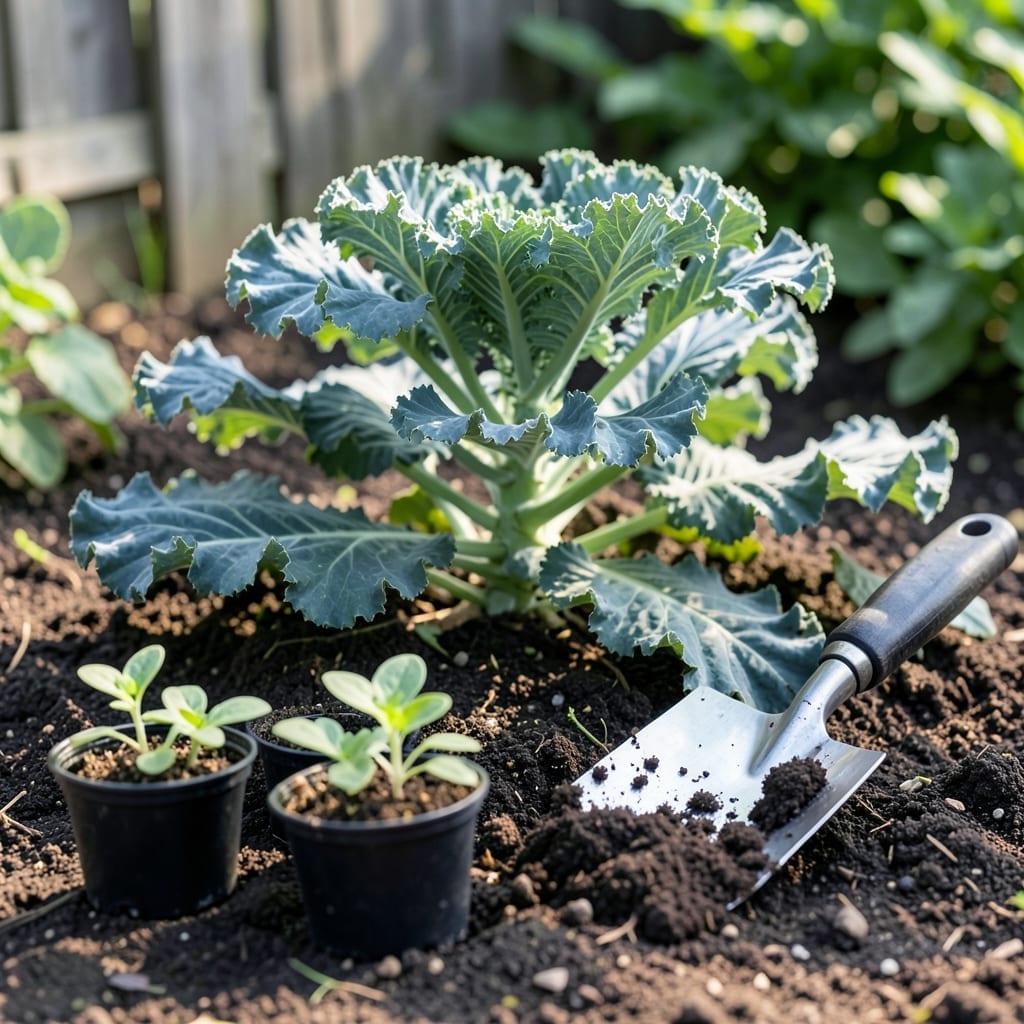
Timing is everything when it comes to growing Kale 🥬—plant too early or too late, and you might miss out on its sweet, nutrient-packed leaves.
Whether you’re aiming for a spring harvest or a winter supply, knowing the ideal planting windows ensures a thriving crop. I’ve tested different approaches in zone 6, and the results might surprise you.
Discover how to align your planting schedule with nature’s rhythm for the best year-round harvests of this hardy green.
Timing your kale planting right can make or break your harvest. I’ve found that spring and fall are the sweet spots, but the exact window depends on your USDA zone and local climate.
For most gardeners, early spring (4-6 weeks before the last frost) or late summer (6-8 weeks before the first frost) works best. Kale thrives in cool weather, so avoiding extreme heat is key.
| Season | Planting Window | USDA Zones | Notes |
|---|---|---|---|
| Spring | 4-6 weeks before last frost | All zones | Avoid hard freezes |
| Fall | 6-8 weeks before first frost | All zones | Ideal for cold-hardy varieties |
| Winter | Late fall (zones 7-9) | 7-9 | Use row covers in colder areas |
In zone 6, I start seeds indoors in March for a spring harvest or direct-sow in August for a fall crop. Kale can handle light frosts, which often sweeten its flavor.
For warmer zones (8-10), you can plant in early fall or even winter. The key is providing partial shade during peak heat to prevent bolting.
Cold-hardy varieties like Winterbor or Red Russian tolerate temperatures down to 20°F. In mild climates, they’ll grow year-round with minimal protection.
If you’re in a short-season area, start seeds indoors 6-8 weeks before transplanting. This gives your plants a head start before the growing window closes.
Remember, soil temperature matters too. Kale seeds germinate best at 60-70°F. Use a soil thermometer to check conditions before planting.
For succession planting, sow new seeds every 2-3 weeks during the growing season. This ensures a continuous harvest rather than one large batch.
Finally, keep an eye on local weather patterns. Unseasonal heatwaves or cold snaps can throw off even the best-laid plans. Adjust your schedule as needed to match nature’s rhythm 🌱
I love using succession planting to keep my kale harvest going all season long. Instead of planting all at once, I stagger my sowings every 2-3 weeks for a steady supply.
This method works especially well in spring and fall. Start your first batch 4-6 weeks before the last frost, then add new plantings as the season progresses.
For fast results, choose varieties like Dwarf Blue Curled that mature in 50-60 days. These work great for quick turnarounds between plantings.
In my zone 6 garden, I typically do 3-4 plantings from early spring through fall. This ensures I always have fresh leaves ready to pick.
This approach also helps manage pest pressure. By the time insects find one batch, another is already growing strong 🌱