
Beautiful Plants For Your Interior
Beautiful Plants For Your Interior
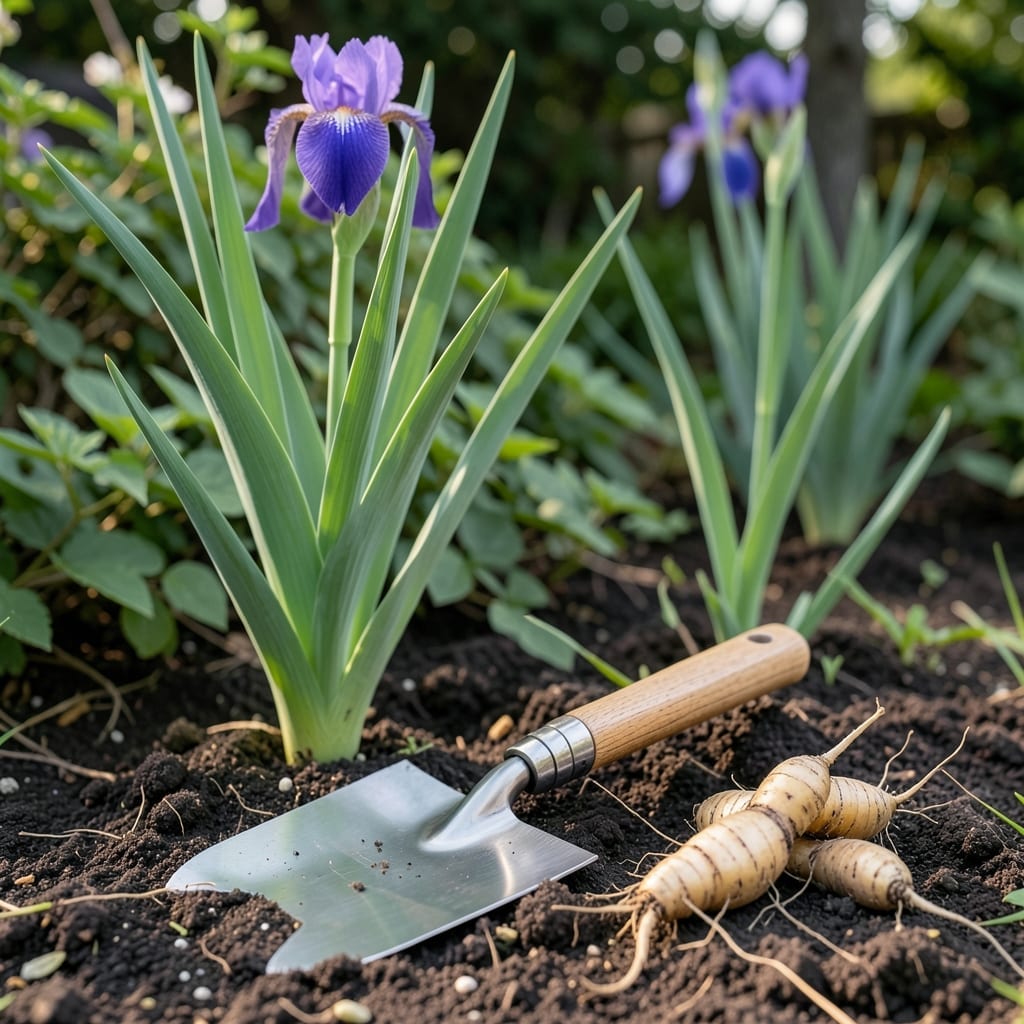
Timing is everything when it comes to planting Iris 🌸—get it right, and you’ll be rewarded with stunning blooms year after year.
Plant too early or too late, and you risk stunted growth or no flowers at all. The good news? It’s easier than you think to nail the perfect window.
Discover the seasonal sweet spot for your climate and learn how to set your Iris up for success from the start.
If you want vibrant Iris blooms, timing your planting with the right season is crucial. I’ve found that late summer to early fall works best for most regions.
This gives the rhizomes time to establish roots before winter. However, the ideal window shifts slightly depending on your USDA hardiness zone.☀️
| Climate Zone | Best Planting Time | Notes |
|---|---|---|
| Zones 3-4 | July-August | Early fall planting avoids frost damage. |
| Zones 5-7 | August-September | Allows roots to establish before winter. |
| Zones 8-9 | September-October | Avoid planting in summer heat. |
| Zones 10+ | October-November | Plant in cooler months to reduce stress. |
In colder zones, like 3-4, I recommend planting earlier—July to August—so roots can settle before the first frost. This prevents winter heaving, which can push rhizomes out of the soil.
For moderate climates in zones 5-7, August to September is ideal. The soil stays warm enough to encourage root growth but cool enough to avoid heat stress.
If you’re in warmer zones 8-9, wait until September or October. Planting too early in summer can stress the rhizomes and lead to poor establishment.
In the hottest regions, like zone 10, October to November works best. The milder temperatures and fall rains help the plants settle in without heat shock.
Remember, soil temperature matters more than air temperature. Aim for soil temps between 60-70°F for the best results. This range promotes root development without stressing the plant.
If you miss the fall window, early spring can work in some areas, but avoid planting when frost is imminent. Iris rhizomes need time to establish roots before extreme temperatures hit.
Finally, check your local frost dates and adjust accordingly. A little research goes a long way in ensuring your Iris thrive and bloom beautifully year after year.🌸
To get the best Iris blooms, follow this simple planting process. I always start with healthy rhizomes and well-prepared soil for the best results.
First, choose a sunny location with well-draining soil. Iris thrive in full sun and can’t tolerate soggy conditions.☀️
A common mistake I see is planting too deep. Iris rhizomes need sunlight exposure to thrive, so resist the urge to bury them completely.
After planting, water sparingly—just enough to settle the soil. Overwatering can cause rhizome rot, which is a death sentence for Iris.
In the weeks following, monitor soil moisture and water only when the top inch feels dry. This encourages deep root growth without waterlogging.
Finally, avoid fertilizing immediately after planting. Wait until early spring to apply a low-nitrogen fertilizer to support blooms.🌱