
Beautiful Plants For Your Interior
Beautiful Plants For Your Interior
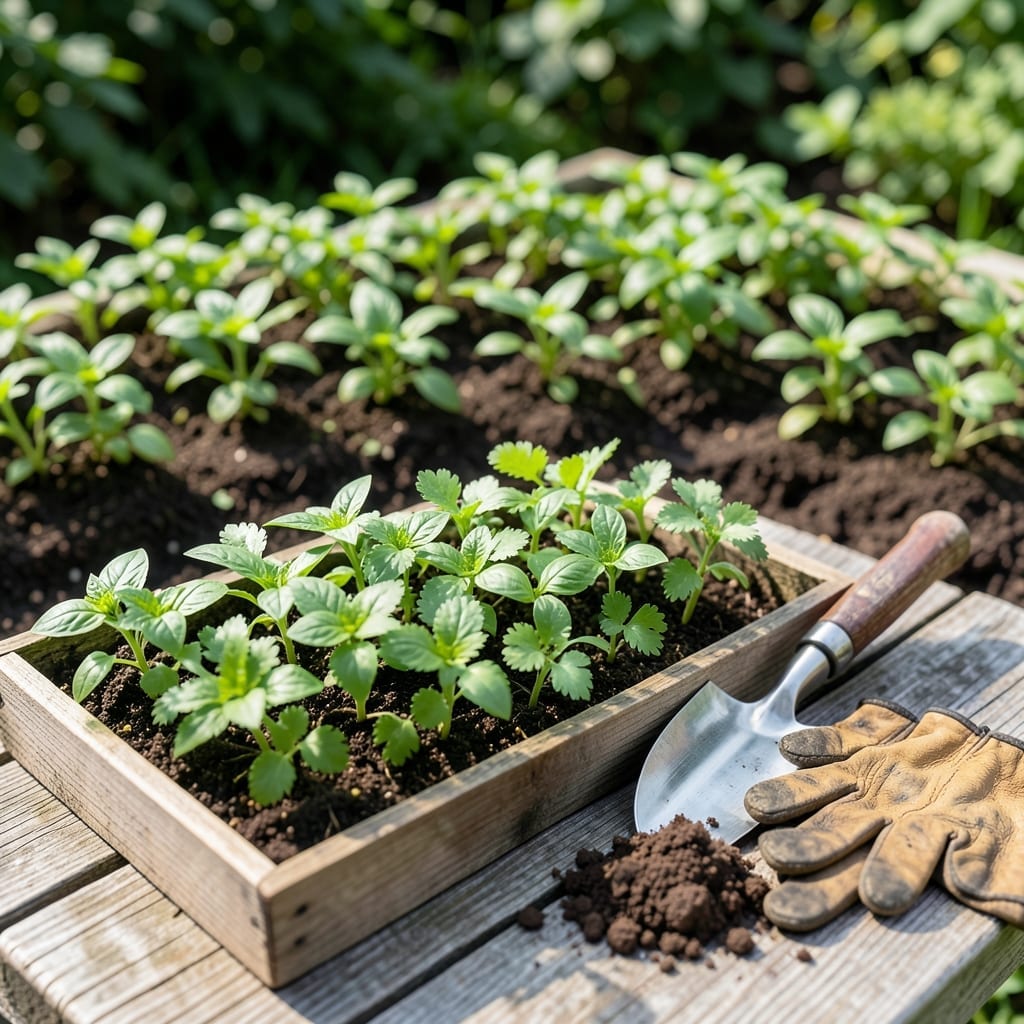
Timing is everything when growing 🌿 Herbs—get it right, and you’ll enjoy fresh, flavorful leaves all season. Plant too early or late, and you risk stunted growth or poor harvests.
I’ve learned the hard way that timing depends on your climate and whether you’re starting indoors or out. For most regions, spring is ideal, but there are tricks to extend your window.
Discover the best planting schedule for thriving herbs, no matter where you live. Let’s get your garden off to the perfect start.
Timing your herb planting correctly ensures healthy growth and maximum yield. I’ve found that spring is ideal for most herbs, but the exact window varies by climate zone and herb type. 🌱
For example, basil thrives when planted after the last frost, while parsley and cilantro can tolerate cooler soil. Always check your USDA zone for precise timing.
| Herb | Best Planting Time | Climate Considerations |
|---|---|---|
| Basil | After last frost | Warm soil, 70°F+ |
| Parsley | Early spring | Cool-tolerant, 50°F+ |
| Cilantro | Early spring/fall | Avoid summer heat |
| Rosemary | Spring/summer | Drought-tolerant, full sun |
| Thyme | Early spring | Well-draining soil |
In warmer zones like 9-11, you can plant rosemary and thyme year-round. For cooler climates, start basil indoors 6-8 weeks before the last frost.
Indoor herb gardens offer flexibility. I start basil and oregano on a sunny windowsill in late winter. Ensure 6+ hours of direct sunlight daily.
For outdoor planting, soil temperature is critical. Use a soil thermometer to confirm it’s at least 60°F for most herbs. Cilantro is an exception—it prefers 50-55°F.
Succession planting works well for fast-growing herbs like cilantro and dill. Sow new seeds every 2-3 weeks for a continuous harvest.
If you’re in a short-season area, use row covers to protect young plants from late frosts. I’ve saved many a basil seedling this way.
Remember, perennial herbs like rosemary and thyme can be planted in early fall in mild climates. They’ll establish roots before winter and thrive next spring. 🌿
Annual herbs like basil and cilantro need replanting each year. Mark your calendar for spring and fall plantings to maximize your harvest window.
With a few smart strategies, I’ve learned you can grow herbs beyond the typical spring window. Even in shorter growing seasons, you can enjoy fresh herbs longer. 🌱
Starting seeds indoors is my go-to for cold climates. Begin basil or oregano 6-8 weeks before the last frost for a head start.
I’ve had great success using row covers in early spring. They keep soil 5-10°F warmer, allowing me to plant basil 2 weeks earlier than normal.
Succession planting works wonders for fast-growing herbs. When my first cilantro crop bolts, I’ve already got new seedlings ready to replace it.
For perennial herbs like rosemary, I plant in early fall in my Zone 6 garden. They establish roots before winter and explode with growth next spring.
Container gardening offers ultimate flexibility. I keep potted basil on my patio until temps drop below 50°F, then move it to a sunny window indoors.
In short-season areas, cold frames can add a month to both ends of your growing season. I’ve harvested parsley well into November this way. 🌿