
Beautiful Plants For Your Interior
Beautiful Plants For Your Interior
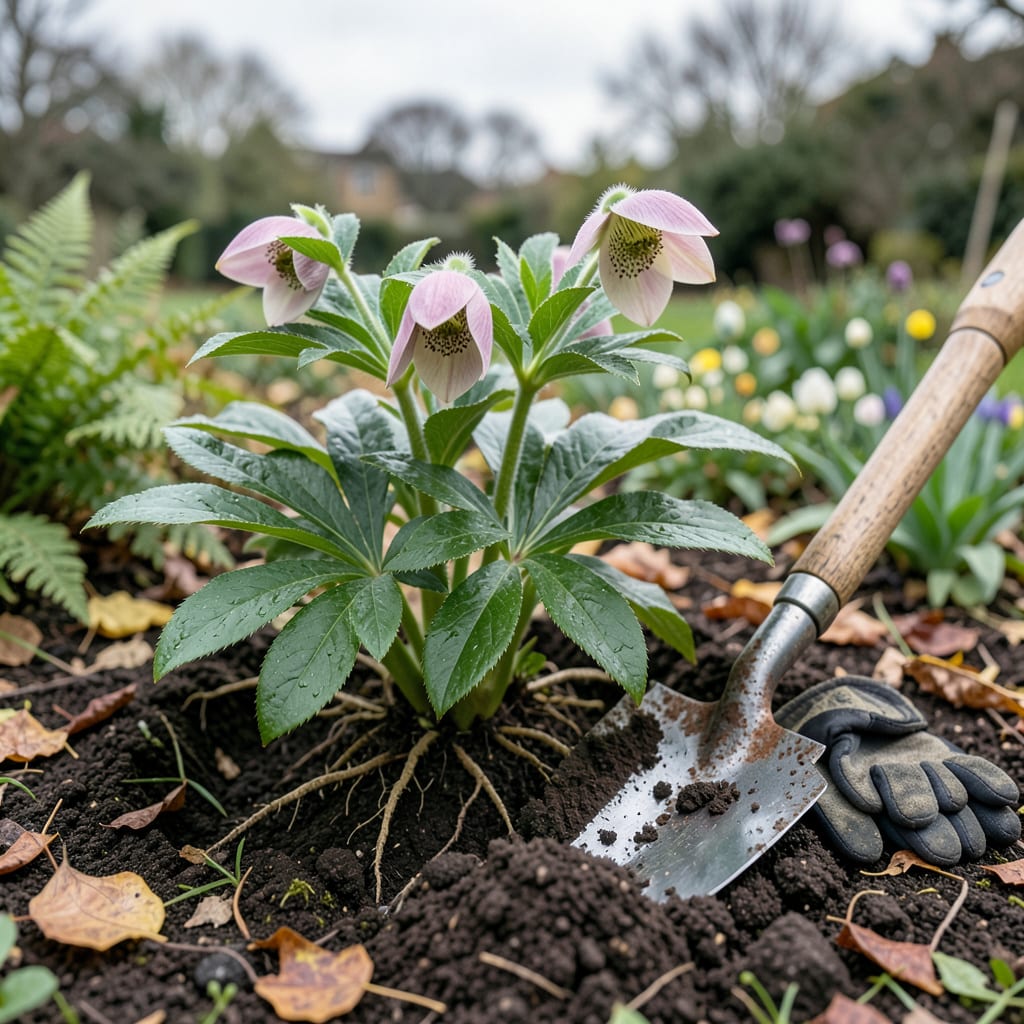
There’s something magical about hellebores—those resilient blooms that laugh at winter’s chill and paint your garden when everything else is dormant. But here’s the catch: in Zone 7, timing is everything. Plant too late, and you risk weak roots; plant too early, and summer heat might steal their show.
I’ve seen gardeners miss out on months of color simply by getting the schedule wrong. The good news? A little insider knowledge about fall planting windows and soil prep can turn your hellebores into the stars of the season. Let’s break down exactly how to make it happen—without the guesswork.
If you’re eager to enjoy winter-blooming hellebores in Zone 7, timing your planting is everything. These resilient perennials need 6-8 weeks before the first frost to establish roots. In Zone 7, that means aiming for early September through mid-October for best results.
Hellebores planted in fall develop stronger root systems before winter dormancy. This gives them a head start for those gorgeous late-winter blooms we all love. Soil temperatures between 50-60°F are ideal, which aligns perfectly with Zone 7’s fall climate.
| Planting Window | Zone 7 Dates | Key Benefits |
|---|---|---|
| Early Fall | Sept 1–30 | Optimal root growth before frost |
| Mid Fall | Oct 1–15 | Good establishment with mulch protection |
| Late Fall | Oct 16–31 | Riskier—requires extra mulch and care |
I always recommend early September planting for Zone 7 gardeners. This timing allows hellebores to develop extensive root networks before soil temperatures drop. The plants will then focus on flower bud formation rather than struggling to establish roots during winter.
For bare-root hellebores, aim for the earlier side of this window. They need extra time to acclimate. Potted plants can go in slightly later, but I’d still avoid planting after mid-October without additional winter protection in Zone 7.
Remember that Zone 7’s first frost date typically falls around October 15. Your hellebores should be in the ground at least 4-6 weeks before this date. This gives them sufficient time to establish without the stress of freezing temperatures.
Soil preparation is crucial during this window. I recommend amending your planting area with compost or leaf mold to improve drainage. Hellebores prefer neutral to slightly alkaline soil (pH 6.5-7.5), so a soil test might be worthwhile before planting.
After planting, apply a 2-3 inch layer of mulch around your hellebores. This protects roots from Zone 7’s temperature fluctuations and retains moisture. Shredded leaves or pine bark work well—just keep mulch away from the plant’s crown to prevent rot.
Watering is critical during this establishment period. Aim for 1 inch of water per week, either from rainfall or supplemental watering. The goal is to keep soil consistently moist but not waterlogged as your hellebores prepare for winter.
By following this fall planting schedule, you’ll be rewarded with vibrant blooms from late winter through early spring. The flowers often appear when little else is blooming, making hellebores true garden superstars in Zone 7 landscapes. 🌱
Getting hellebores established in Zone 7 requires more than just perfect timing—it’s about giving them the right home. I’ve found that site selection makes all the difference. These shade-loving perennials thrive in partial to full shade, especially under deciduous trees where they get winter sun.
Start by testing your soil. Hellebores prefer neutral to slightly alkaline soil (pH 6.5-7.5). If your soil is acidic, work in some lime or wood ash a few weeks before planting. For heavy clay soils common in Zone 7, mix in compost or pine bark to improve drainage.
When planting bare-root hellebores, soak the roots in water for 30 minutes before planting. For container-grown plants, gently loosen the root ball if it’s pot-bound. I always recommend planting in the early morning to minimize transplant shock.
Watering is critical during the first few weeks. Keep soil consistently moist but not soggy. In Zone 7’s fall climate, this usually means watering 2-3 times per week unless you get significant rainfall. Use your finger to check moisture—if the top inch is dry, it’s time to water.
After planting, resist the urge to fertilize immediately. Wait until early spring to apply a balanced organic fertilizer. Hellebores are light feeders, and too much fertilizer can lead to lush foliage at the expense of flowers. A slow-release 5-10-5 formula works well for established plants.
One of my favorite tricks for Zone 7 gardeners is to plant hellebores near evergreen shrubs. This provides winter wind protection while allowing their flowers to shine against the green backdrop. The microclimate created by shrubs can also help moderate soil temperatures during Zone 7’s temperature swings. 🌿
Even experienced gardeners can stumble when planting hellebores in Zone 7. The most common mistake I see is planting too late in the season. Remember, hellebores need 6-8 weeks before the first frost to establish roots. In Zone 7, that means no later than mid-October for best results.
Another critical error is improper planting depth. Hellebores suffer when planted too deep—their crown should sit 1 inch above soil level. Burying it leads to rot, while planting too high can dry out roots. I always double-check by laying a ruler across the hole before backfilling.
Overwatering is another silent killer in Zone 7’s fall climate. While hellebores need consistent moisture, soggy soil leads to root rot. I recommend the “finger test”—only water when the top inch of soil feels dry. Early morning watering allows foliage to dry before cooler nights.
Many gardeners overlook soil pH, but hellebores prefer neutral to slightly alkaline conditions (6.5-7.5). Zone 7’s native soils often trend acidic. A simple soil test can save you headaches—if needed, work in garden lime or wood ash several weeks before planting.
Finally, don’t skip the mulch step—but do it right! Apply 2-3 inches of shredded leaves or pine bark, keeping it 1 inch away from the plant’s base. This protects roots from Zone 7’s temperature swings while preventing crown rot. Proper mulching can mean the difference between thriving plants and winter losses. 🌿
Planting after mid-October risks weak root systems before frost. Hellebores need 6-8 weeks to establish roots properly. Late planting often results in stunted growth or winter losses.
While possible, spring planting means missing the first year’s blooms. Fall planting allows roots to establish before winter, leading to stronger plants. Spring-planted hellebores often bloom a year later.
Use 2-3 inches of shredded leaves or pine bark. Keep mulch 1 inch away from the plant’s base to prevent crown rot. This protects roots from Zone 7’s temperature swings.
Water 2-3 times weekly for the first month unless you get significant rain. Keep soil consistently moist but not soggy. Early morning watering works best in Zone 7’s fall climate.
They prefer neutral to slightly alkaline soil (pH 6.5-7.5). Amend clay soil with compost or pine bark for better drainage. A simple soil test can guide needed adjustments.
