
Beautiful Plants For Your Interior
Beautiful Plants For Your Interior
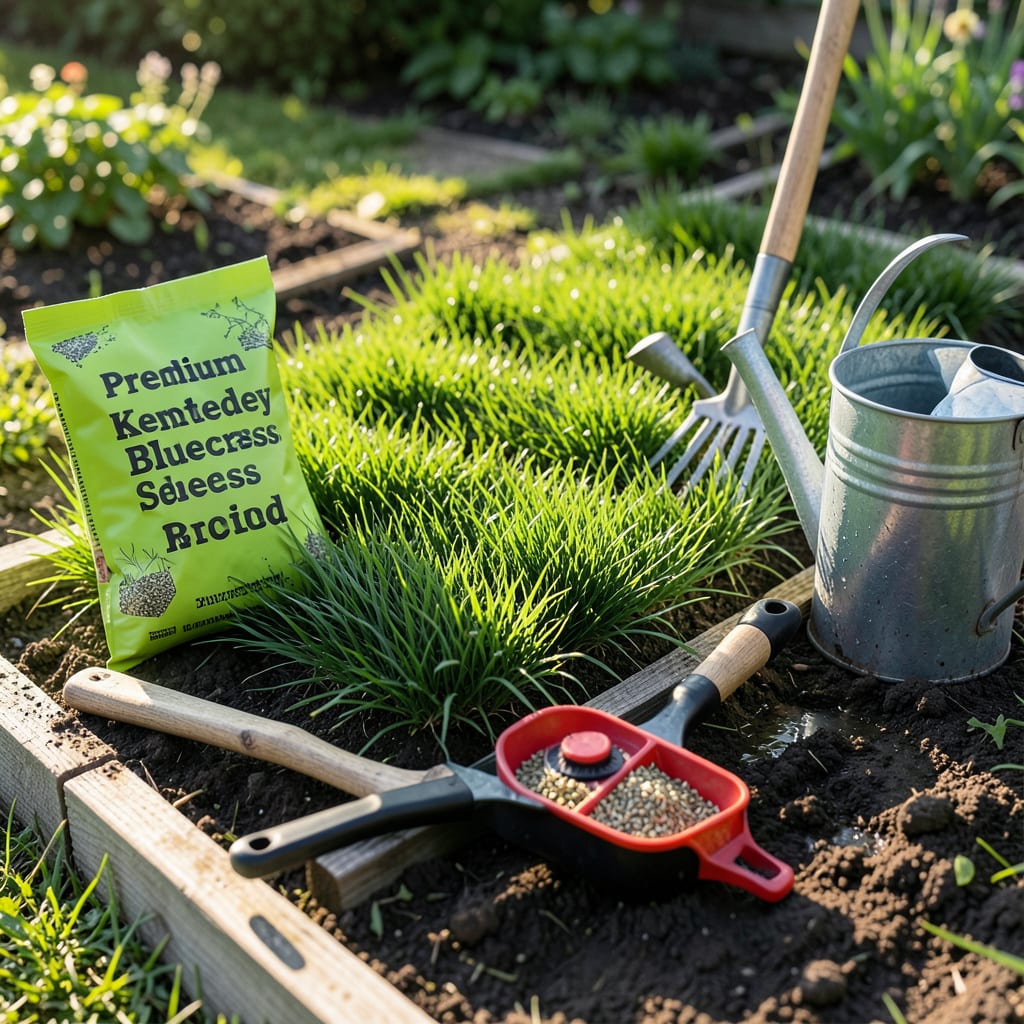
Timing can make or break your Tennessee lawn—plant 🌱 grass seed at the wrong moment, and you might face patchy results or wasted effort. With our state’s mix of Zone 6-8 climates, knowing when to act is half the battle.
Whether you’re in Memphis or Knoxville, I’ll break down the ideal planting windows for both cool-season and warm-season grasses. You’ll learn exactly when to prep your soil and sow seeds for a lawn that thrives through Tennessee’s seasons.
If you’re dreaming of a lush Tennessee lawn, timing your grass seed planting is everything. Tennessee’s Zone 7 climate offers two prime planting windows, but they differ drastically depending on whether you’re growing cool-season or warm-season grasses. Get this wrong, and you’ll battle poor germination or weak roots.
I’ve seen too many gardeners waste seed by planting Bermuda grass in October or Tall Fescue in July. Tennessee’s weather swings—from humid summers to chilly winters—mean you need to match your grass type to the season. Let’s break down the optimal planting windows for each grass variety so you don’t repeat these costly mistakes.
| Grass Type | Best Planting Time | Ideal Soil Temp | TN Regions | Key Notes |
|---|---|---|---|---|
| Tall Fescue | Early Sept–Oct | 50–65°F | Statewide | Best for shade tolerance; avoid summer heat |
| Kentucky Bluegrass | Sept–Oct or March–April | 50–65°F | East/Middle TN | Needs consistent moisture; slow to establish |
| Bermuda Grass | April–June | 65–70°F+ | Statewide | Loves heat; dormant in winter; aggressive spreader |
| Zoysia Grass | May–July | 70°F+ | Middle/West TN | Drought-tolerant; slow to green up in spring |
| Centipede Grass | May–June | 70°F+ | West TN | Low-maintenance; struggles in clay soil |
For cool-season grasses like Tall Fescue and Kentucky Bluegrass, early fall (September–October) is your golden window. The soil is still warm from summer, but cooler air temperatures reduce stress on new seedlings. I always aim to plant at least 45 days before the first frost—that gives roots time to establish before winter.
If you miss the fall window, early spring (March–April) is your backup, but be prepared for more watering. Spring-planted cool-season grasses often struggle with summer heat stress and may need extra TLC. In East Tennessee’s cooler pockets, you might squeeze in a late August planting, but West TN’s humidity can make that risky.
Warm-season grasses like Bermuda and Zoysia thrive when planted in late spring to early summer (May–July). The key here is soil temperature—it needs to be consistently above 65°F. I use a soil thermometer to check at 2-inch depth before planting. West Tennessee’s warmer climate gives you a slightly longer window than the cooler eastern regions.
Here’s a pro tip: If you’re overseeding a warm-season lawn with cool-season grass for winter green (common in Middle TN), plant your ryegrass or fescue in mid-October. This gives it time to establish before the Bermuda goes dormant. Just remember—you’ll need to mow and water both grass types differently!
Tennessee’s USDA Zones 6a–8a mean planting times can vary by 2–3 weeks across the state. Knoxville gardeners should plant cool-season grasses a week earlier than Memphis folks, while Nashville sits right in the middle. Always check your local frost dates—UT Extension’s county offices provide hyper-local guidance.
No matter which grass you choose, soil prep is non-negotiable. I recommend testing your soil’s pH (aim for 6.0–7.0) and loosening the top 2–3 inches before seeding. Add compost if your soil is heavy clay (common in West TN) or sandy (East TN). Proper prep can double your germination success rate!
After planting, keep the seed bed consistently moist—think light watering daily until germination (usually 7–21 days). Once sprouts reach 3 inches tall, you can taper watering to deeper, less frequent sessions. And resist the urge to mow until your new grass hits 4 inches—patience pays off with thicker turf!
🌱Planning your Tennessee grass planting by month takes the guesswork out of timing. I’ve created this seasonal roadmap to help you stay ahead of the game—whether you’re in Memphis, Nashville, or the Smokies. The key is working with Tennessee’s distinct seasons, not against them.
Remember, our state’s three grand divisions (East, Middle, West) each have slightly different climates. West Tennessee typically runs 1-2 weeks ahead of East Tennessee for warm-season grasses, while cool-season planting windows are more uniform statewide. Let’s break down exactly what to do each month for lawn success.
Test your soil (UT Extension offers kits) and research grass types. Order seeds by mid-February for spring planting. In West TN, watch for false spring warm spells—don’t plant yet!
East TN: Begin cool-season grass planting late March if soil temps hit 50°F. Middle/West TN: Focus on soil prep—till, level, and add compost. Apply pre-emergent ONLY if not seeding this season.
Statewide Tall Fescue and Kentucky Bluegrass planting time! Aim for early April in West TN, mid-April in East TN. Keep seed bed moist—light watering 2x daily until germination (7–14 days).
Time for Bermuda and Zoysia! Plant after soil temps stay above 65°F (usually early May West TN, late May East TN). Water deeply 3x weekly—these grasses need heat to thrive.
Last call for Zoysia/Centipede in early June. Focus on watering deeply (1″ per week) and mowing high (3–4″) to protect roots. Watch for fungal diseases in humid Middle/West TN—water in early morning only.
Start planning fall overseeding of warm-season lawns. In late August, dethatch and aerate Bermuda lawns. East TN: Begin cool-season prep—test soil pH and gather supplies for September planting.
The absolute best time to plant Fescue/Bluegrass statewide! Seed by October 15 to allow 6 weeks of growth before frost. Water daily for first 3 weeks, then taper to deep 2x weekly watering.
Mow cool-season grass to 2.5″ for winter. Apply winterizer fertilizer (high potassium) in November. Avoid heavy foot traffic on dormant warm-season grasses. Plan next year’s lawn—rotate planting areas if needed!
Here’s my pro tip for regional timing: West Tennessee gardeners can often plant 7–10 days earlier in spring and 7 days later in fall compared to East Tennessee. Nashville and Middle Tennessee typically fall right in the middle. Always check your local soil temperatures—they’re more reliable than calendar dates!
For overseeding existing lawns, adjust your timeline slightly. If you’re adding ryegrass to a Bermuda lawn for winter green, plant in early October—this gives it time to establish before the Bermuda goes dormant. Use half the normal seed rate (about 3–5 lbs/1000 sq ft) to avoid crowding your permanent grass.
Remember that watering is critical in those first few weeks after planting. I recommend setting up a simple sprinkler timer to maintain consistent moisture. The goal is to keep the top 1–2 inches of soil damp but not soggy. In Tennessee’s unpredictable weather, you might need to adjust daily based on rainfall.
If you’re dealing with shady areas (common in East Tennessee’s mountainous regions), stick to Tall Fescue or Fine Fescue blends. These tolerate partial shade better than other grasses. For sunny, high-traffic areas, Bermuda is your best bet in Middle and West Tennessee, while Kentucky Bluegrass works well in cooler East Tennessee yards.
Finally, don’t forget about soil testing—it’s the foundation of lawn success. Tennessee’s soils vary dramatically, from the clay-heavy soils of West Tennessee to the rocky, acidic soils in the East. Your local UT Extension office offers affordable test kits that tell you exactly what amendments your soil needs before planting.
🌱Even with perfect timing, Tennessee gardeners often sabotage their lawns with avoidable errors. I’ve seen healthy grass seed fail because of simple oversights—like planting too deep or skipping soil prep. Let’s tackle the most common mistakes so you can sidestep these costly blunders.
The biggest issue I encounter? Planting at the wrong depth. Grass seed needs light to germinate, so burying it too deep (more than ¼ inch) can prevent sprouting. Conversely, leaving seed on the soil surface makes it vulnerable to washing away or being eaten by birds.
Another critical error is ignoring soil temperature. I can’t stress this enough—Tennessee’s spring soil might feel warm to your hand but still be too cold for germination. Always use a soil thermometer and wait until temps stay above 50°F for cool-season grasses or 65°F for warm-season varieties.
Watering mistakes wreck more Tennessee lawns than drought does. Many gardeners either drown their seed or let it dry out. The sweet spot? Light watering 2x daily (morning and evening) for the first 2-3 weeks, then taper to deeper watering as roots establish. In West TN’s humid summers, watch for fungal diseases—water before 9 AM to allow foliage to dry.
Don’t overlook seed selection for your specific region. East Tennessee’s cooler climate favors Kentucky Bluegrass and Fine Fescue, while West Tennessee’s heat loves Bermuda and Centipede. Middle Tennessee gardeners often succeed with Tall Fescue blends that handle both heat and cold. Always check the seed label for your USDA zone (TN ranges from 6a to 8a).
Finally, post-planting care makes or breaks your lawn. I see too many people mow too soon or use heavy equipment on new grass. Wait until your lawn reaches 4 inches before mowing, and keep foot traffic minimal for the first 4-6 weeks. Consider using straw mulch (not hay!) to protect seed and retain moisture—just don’t apply more than ¼ inch or it can smother sprouts. 🌱
For cool-season grasses like fescue, aim for 50–65°F soil temps. Warm-season varieties (Bermuda, Zoysia) need 65°F+. Use a soil thermometer at 2-inch depth for accuracy.
Avoid summer planting—extreme heat stresses new seedlings. If you missed spring, wait for early fall (September–October) for cool-season grasses. Warm-season grasses planted after July may struggle to establish before winter.
Keep soil consistently moist—water lightly 2x daily (morning/evening) for 2–3 weeks. After germination, shift to deep watering 2–3x weekly. Avoid soggy soil to prevent rot.
For Tennessee’s shady spots, Tall Fescue or Fine Fescue blends thrive. Avoid Bermuda or Zoysia—they need full sun. East TN’s mountainous regions often benefit from these shade-tolerant options.
Test your soil’s pH (aim for 6.0–7.0). Tennessee’s clay-heavy soils (West TN) often need compost, while sandy soils (East TN) may require organic matter. UT Extension offers affordable test kits for precise guidance.
