
Beautiful Plants For Your Interior
Beautiful Plants For Your Interior
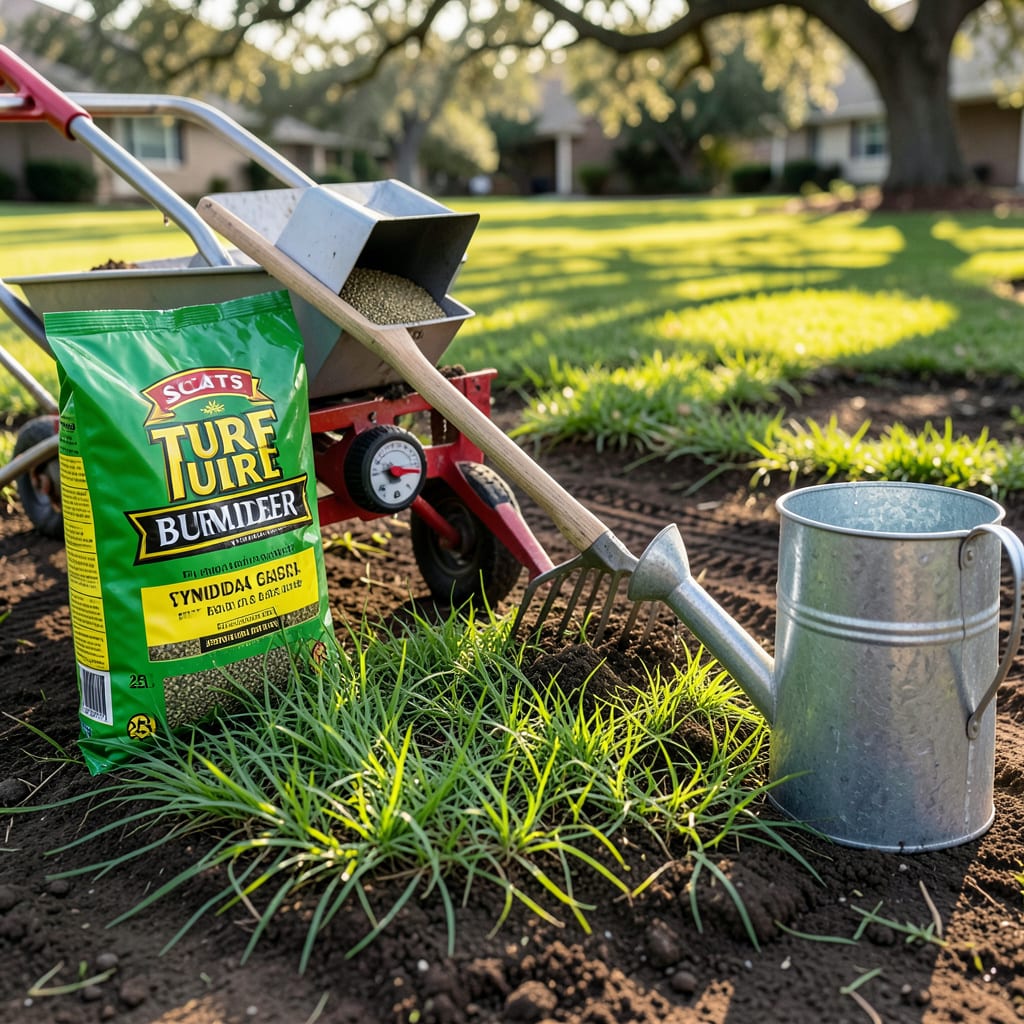
Timing your grass planting in Oklahoma can mean the difference between a patchy yard and a lush, vibrant lawn. I’ve seen too many homeowners waste time and money by planting at the wrong moment—either too early when late frosts lurk or too late when summer heat bakes the soil.
After testing different approaches across Zones 6b-8a, I’ll show you the exact windows for both cool-season and warm-season grasses. Whether you’re in Tulsa or the panhandle, you’ll learn how to align your planting with soil temps and frost dates for faster, thicker growth—no guesswork required.
If you want a lush Oklahoma lawn, timing your grass seed planting is non-negotiable. Our state’s USDA Zones 6b-8a mean you’ve got two prime windows: fall (September–October) for cool-season grasses and late spring (March–April) for warm-season varieties. Miss these, and you’re fighting drought or frost.
Why does timing matter so much? Oklahoma’s extreme temperature swings—from scorching summers to unpredictable late frosts—can wreck germination. Soil temperature is your best guide: 50°F–65°F for cool-season grasses like fescue, and 70°F–85°F for warm-season picks like Bermudagrass. Get this right, and you’ll avoid patchy, weak turf.
| Grass Type | Best Planting Months | Soil Temp Range | Regional Notes |
|---|---|---|---|
| Tall Fescue (Cool-Season) | Sept–Oct | 50°F–65°F | Ideal for eastern OK (higher rainfall). |
| Bermudagrass (Warm-Season) | March–April | 70°F–85°F | Thrives in western OK (drought-tolerant). |
| Zoysia (Warm-Season) | April–May | 70°F–85°F | Slower to establish; avoid late summer planting. |
| Kentucky Bluegrass (Cool-Season) | Sept–Early Oct | 50°F–65°F | Needs consistent watering in OK’s clay soil. |
For eastern Oklahoma (Zones 7a-8a), you can push planting 1–2 weeks later in fall thanks to milder temps. But in the panhandle (Zone 6b), aim for early September—frost arrives sooner. Always check your local frost dates and adjust accordingly.
Spring planting is riskier in Oklahoma. Warm-season grasses like Bermuda can go in March–April, but cool-season seeds planted in spring often struggle with summer heat stress. If you must spring-plant, opt for fast-germinating ryegrass as a temporary cover.
Pro tip: Test your soil before planting. Oklahoma’s clay-heavy soil often needs amendments like compost or sand to improve drainage. A soil test (available through OSU Extension) will reveal pH imbalances—aim for 6.0–7.0 for most grasses.
Watering is critical in those first 2–3 weeks. New grass seed needs consistent moisture—think light daily watering (not soaking) to keep the top inch of soil damp. Once germinated, shift to deep, infrequent watering (1–1.5 inches per week) to encourage root growth.
If you’re overseeding a thin lawn, early fall is your best bet. Use a slice seeder for better seed-to-soil contact, especially in Oklahoma’s compacted soils. For warm-season lawns, late spring overseeding with a drought-tolerant variety like Buffalograss can fill gaps without competing with existing turf.
Avoid planting in June–July—Oklahoma’s 100°F+ temps and drought conditions make it nearly impossible for seeds to survive. Even warm-season grasses will struggle without intensive irrigation, which isn’t water-wise or budget-friendly.
Finally, don’t forget post-planting care. Hold off on heavy foot traffic for 4–6 weeks, and mow only when grass reaches 3–4 inches tall. Use a sharp mower blade to avoid tearing young grass, and leave clippings to return nutrients to the soil. 🌱
Even with perfect timing, small errors can derail your Oklahoma lawn. I’ve watched neighbors struggle with patchy grass or complete failure—usually because of avoidable mistakes. The good news? Fixing these is simpler than you think, and it starts with soil prep and planting depth.
First up: Skipping soil testing. Oklahoma’s clay-heavy soil often has pH imbalances or compaction issues that choke out new grass. A $15 test from your local OSU Extension office reveals exactly what amendments you need—whether it’s lime to raise pH or compost to loosen clay.
The second mistake? Planting at the wrong depth. Grass seed needs light to germinate, so if it’s buried too deep, it’ll rot. Aim for ⅛–¼ inch depth—I use a rake to lightly cover seed after broadcasting. For slopes, mix seed with compost or sand to prevent washout during watering.
Watering errors wreck more Oklahoma lawns than drought. New grass seed needs consistent moisture, but not puddles. Set up a sprinkler timer for 5–10 minutes, 2–3 times daily (morning/evening) to keep the top inch of soil damp. After germination, shift to deep, infrequent watering (1 inch/week) to build drought-resistant roots.
Finally, don’t overlook post-planting care. Mowing too soon or with dull blades tears young grass. Wait until blades reach 3–4 inches, then mow to 2–2.5 inches. Avoid heavy foot traffic for 4–6 weeks, and never apply weed killer until after 3–4 mowings—it can kill tender new grass.
If you’re overseeding, dethatch first to ensure seed-to-soil contact. In Oklahoma’s humid summers, fungal diseases like brown patch thrive in thick thatch. Use a dethatching rake or rent a power dethatcher for large areas. Follow with a light top-dressing of compost to protect seeds and retain moisture.
Remember: Oklahoma’s wind and heat dry out soil fast. Mulch new seedings with straw (not hay) to retain moisture and prevent erosion. Remove it once grass reaches 2 inches tall to avoid smothering. With these fixes, you’ll sidestep the pitfalls that trip up most Oklahoma gardeners. 🌱
Choosing how to establish your Oklahoma lawn isn’t one-size-fits-all. I’ve tested all three methods—grass seed, sod, and hydroseeding—and each has pros and cons depending on your budget, timeline, and soil type. Let’s break down which option works best for your situation.
If you’re on a tight budget or have a large area, grass seed is the most cost-effective. It’s ideal for DIYers willing to wait 2–3 weeks for germination. But Oklahoma’s clay soil and windy conditions can make even seeding tricky without proper prep. For slopes or erosion-prone areas, you might need a tackifier to keep seed in place.
For Oklahoma’s hot summers, sod gives you an instant lawn but comes with a higher price tag. It’s perfect for small patches or high-traffic areas where you need grass fast. Just avoid installing sod in July–August—the heat stress can kill it before roots establish. Early fall or spring are ideal sod seasons.
Hydroseeding bridges the gap between seed and sod. It’s faster than seeding alone and works well on Oklahoma’s hilly terrain (like Tulsa’s slopes). The mulch slurry protects seeds from wind and erosion while keeping moisture in. I recommend it for larger properties where DIY seeding feels overwhelming but sod’s too expensive.
Here’s my Oklahoma-specific advice: If you’re planting in fall, seed or hydroseed for best results. For spring, sod gives you a head start before summer heat. Always prepare your soil first—no matter the method, poor soil means poor lawn. Test for compaction and amend with compost or sand as needed.
Finally, match your method to your grass type. Bermudagrass sod establishes quickly in summer, while fescue seed thrives in fall. For tricky areas like shady spots or clay slopes, hydroseeding with a native grass mix often works best. Whichever you choose, consistent watering and patience will pay off with a lawn that’s the envy of your Oklahoma neighborhood. 🌿
Bermudagrass and Zoysia thrive in Oklahoma’s heat and drought. Bermudagrass recovers quickly from damage, while Zoysia stays green with less water. For cooler areas, Tall Fescue handles both heat and cold well.
Avoid planting in June–July—Oklahoma’s 100°F+ temps and drought make germination nearly impossible. Even warm-season grasses struggle without intensive irrigation. Stick to spring or fall for best results.
Work in 2–3 inches of compost or sand to improve drainage. A soil test (via OSU Extension) will reveal pH imbalances—aim for 6.0–7.0. Use a lawn roller after seeding to ensure good seed-to-soil contact.
Wait until grass reaches 3–4 inches tall, then mow to 2–2.5 inches. Use a sharp mower blade to avoid tearing young grass. Avoid heavy foot traffic for 4–6 weeks post-planting.
