
Beautiful Plants For Your Interior
Beautiful Plants For Your Interior
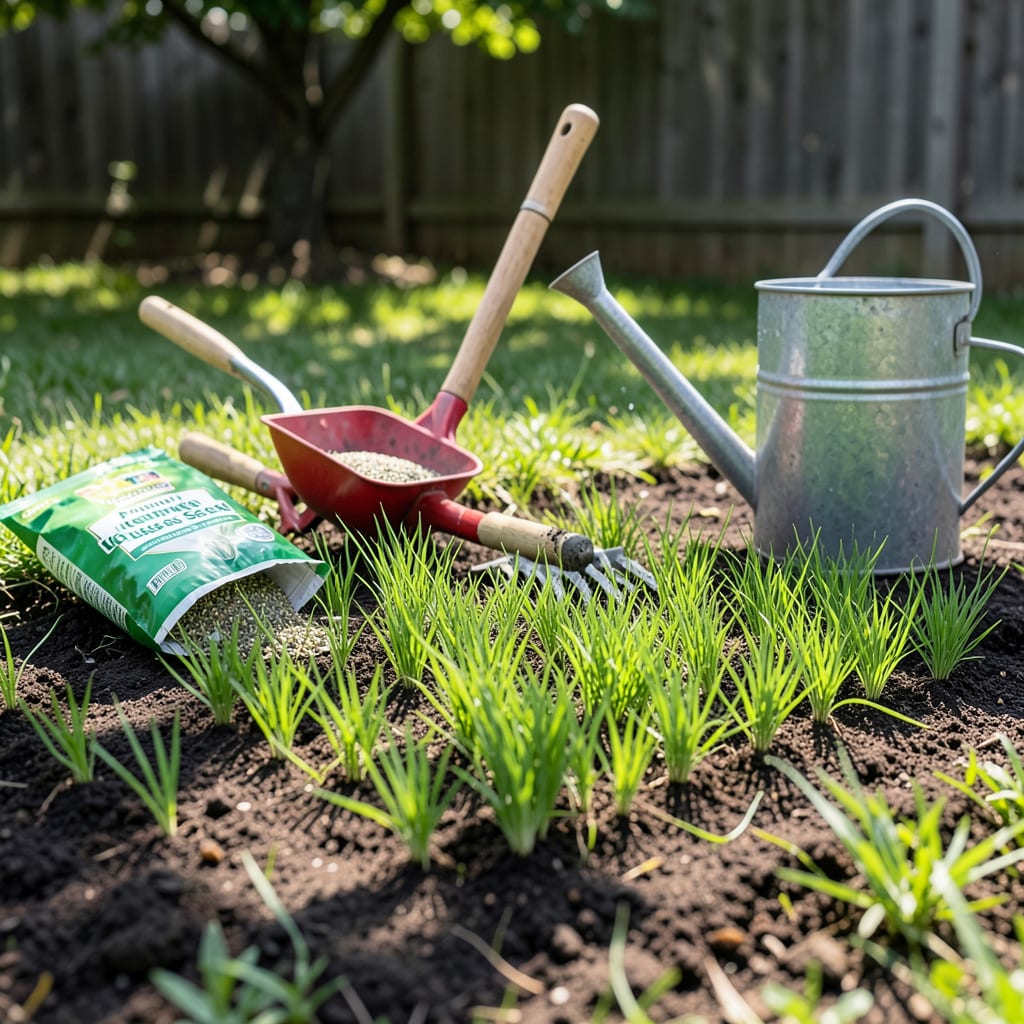
Timing your grass seed planting in New Jersey can make or break your lawn. Plant too early, and frost might ruin your efforts. Wait too long, and summer heat could scorch those tender new sprouts. I’ve seen both scenarios play out—the difference is all in the timing.
Whether you’re in North Jersey’s cooler zones or the milder southern regions, knowing the ideal windows for cool-season grasses like Tall Fescue or Kentucky Bluegrass is key. Let’s cut through the guesswork and get your lawn off to the best start—without wasting a single season.
If you’re dreaming of a lush, green lawn in New Jersey, timing your grass seed planting is everything. NJ’s climate—with its humid summers and chilly winters—demands precision. I’ve seen too many homeowners waste money by planting at the wrong time, only to watch their efforts wash away with summer storms or freeze in late frosts.
The secret? Matching your grass type to NJ’s two prime planting windows: early fall (late August to mid-September) and early spring (late March to mid-April). But here’s the kicker—cool-season grasses like Kentucky Bluegrass and Tall Fescue thrive in fall, while warm-season varieties like Zoysia need summer’s heat. Let’s break it down by region and type.
| Grass Type | Best Planting Time | Ideal Soil Temp | NJ Region Fit |
|---|---|---|---|
| Kentucky Bluegrass | Sept 1–15 or April 1–15 | 50–65°F | North & Central NJ |
| Tall Fescue | Aug 20–Sept 10 or March 20–April 5 | 55–65°F | All NJ (shade-tolerant) |
| Perennial Ryegrass | Sept 10–30 or April 10–30 | 50–70°F | Coastal & Central NJ |
| Zoysia | May 15–June 15 | 70°F+ | South NJ only |
💡 Pro Tip: Soil temp matters more than air temp! Use a soil thermometer ($10 at garden centers) to hit the sweet spot.
For North Jersey (Zones 6a-6b), early fall planting (late August to mid-September) is your golden ticket. The soil stays warm from summer, but cooler air temps reduce weed competition. I’ve had clients in Morristown and Wayne get 50% better germination by planting Tall Fescue in this window versus spring.
Down in South Jersey (Zone 7a), you’ve got more flexibility. Warm-season grasses like Zoysia or Bermuda can thrive if planted in late spring (May to early June). But be warned—these grasses brown out in winter. Stick with cool-season mixes if you want year-round green in places like Cherry Hill or Vineland.
Spring planting in NJ is trickier. You’re racing against summer heat, which can stress young grass. If you must plant in spring, aim for early April and choose fast-germinating Ryegrass (sprouts in 5–7 days). Avoid late spring—soil temps above 75°F can cook delicate seedlings before they establish roots.
Here’s a rule I swear by: Count backward from NJ’s first frost (around October 15). Your grass needs 6–8 weeks to establish roots before freezing temps hit. Plant Kentucky Bluegrass by September 1, and you’ll avoid the #1 mistake I see—winterkill from immature roots.
Don’t forget soil prep! NJ’s clay-heavy soil needs aeration and compost (½ inch worked into the top 3 inches). Test your soil pH—NJ lawns often need lime to hit the 6.0–7.0 range. I use Rutgers Cooperative Extension’s soil testing service for $20—worth every penny.
Watering is where most NJ gardeners fail. New seed needs light, frequent watering (twice daily for 10–15 minutes) to keep the top inch moist. Once sprouted, shift to deep, infrequent watering (1 inch per week). Use a rain gauge—NJ’s summer storms can fool you into overwatering.
Finally, mulch matters. After seeding, spread a ¼-inch layer of straw (not hay!) to retain moisture and block weeds. Skip this step, and you’ll battle crabgrass all summer. Trust me—I’ve seen it ruin too many lawns in Middlesex and Monmouth counties.
Still unsure? When in doubt, fall planting wins in NJ. The combo of warm soil, cool air, and autumn rains gives grass the best shot at establishing deep roots before winter. And deep roots mean a thicker, greener lawn next spring—with half the work. 🌱
If you’ve ever wondered why your neighbor’s lawn looks like a golf course while yours resembles a patchy quilt, the answer often lies in timing and technique. Planting grass seed in New Jersey isn’t just about tossing seeds and hoping for the best—it’s about avoiding the five biggest mistakes that even experienced gardeners make. Let’s break them down so you don’t repeat them.
First up: ignoring soil temperature. NJ’s climate can be deceiving—just because the air feels warm doesn’t mean the soil is ready. Cool-season grasses like Kentucky Bluegrass or Tall Fescue need soil temps between 50–65°F to germinate properly. Plant too early in spring or too late in fall, and those seeds will just sit there, vulnerable to rot or birds. 🌱
Pro Tip: Use a soil thermometer—don’t guess!
Another critical error? Skipping soil preparation. NJ’s clay-heavy soils—especially in Central and South Jersey—can suffocate new grass roots if you don’t aerate and amend first. I always recommend mixing in 1–2 inches of compost before seeding to improve drainage and nutrient availability. Without this step, even the best grass seed will struggle to establish deep roots.
Watering mistakes are just as deadly. In NJ, overwatering in humid summers can invite fungal diseases like dollar spot, while underwatering in dry falls (common in North Jersey) leads to weak seedlings. Aim for light, frequent watering (twice daily for 10–15 minutes) until seeds germinate, then taper to deep watering 2–3 times weekly. A rain gauge is your best friend here! 💧
Here’s a mistake that’s easy to overlook: choosing the wrong grass type for your NJ region. Cool-season grasses dominate most of the state, but if you’re in Cape May or Atlantic County, warm-season grasses like Zoysia might thrive better in the heat. Always match your grass to your sun exposure and foot traffic needs—shady yards need Fine Fescue, while high-traffic areas do best with Perennial Ryegrass.
Finally, misjudging frost dates can ruin months of work. NJ’s last frost ranges from April 1–15 (North) to March 20–April 1 (South), while the first frost hits between October 10–20. Plant cool-season grass too late in fall, and tender seedlings may not survive winter. Use Rutgers NJAES frost data to pinpoint your exact window. ⏰
By avoiding these five pitfalls, you’ll set your NJ lawn up for success—whether you’re overseeding in September or starting fresh in early spring. Remember, the key to a lush lawn isn’t just when you plant, but how you prepare and protect those seeds afterward. Now go grab that soil thermometer and get started! 🪴
You’ve planted your grass seed at the perfect time—now the real work begins. New grass in New Jersey faces a gauntlet of humid summers, unpredictable rain, and even deer pressure. Without proper care, all that timing precision goes to waste. Let’s walk through the 30-day critical period to ensure your seeds sprout strong.
The first 7–10 days are all about moisture consistency. NJ’s clay soils can crust over, smothering seeds, so I recommend light watering twice daily (morning and early afternoon) for 10–15 minutes per session. Use a fine mist nozzle to avoid displacing seeds. A rain gauge helps—aim for ¼ inch of water per session.
⚠️ Warning: NJ’s summer storms can overwater—adjust schedule after heavy rain!
After germination (usually 7–21 days), shift to deep, infrequent watering. This trains roots to grow downward, making your lawn more drought-resistant. In North Jersey, where summers can be dry, I add a ¼-inch layer of straw mulch to retain moisture. Avoid hay—it introduces weed seeds!
Fertilizing new grass in NJ requires caution. Wait until after the first mowing (when grass reaches 3–4 inches), then apply a starter fertilizer (look for 12-12-12 NPK). Skip this, and your lawn may struggle to compete with crabgrass and clover, which thrive in NJ’s humid summers.
Pest pressure varies by region. In South Jersey, grubs and armyworms are common—apply beneficial nematodes preventatively in late summer. Up north, deer and geese can devastate new lawns; I use motion-activated sprinklers as a humane deterrent. For all areas, pre-emergent herbicide (like corn gluten) in early spring prevents weeds without harming new grass.
Finally, mowing strategy makes or breaks young lawns. Wait until grass is 3–4 inches tall, then mow to 2.5–3 inches, never removing more than ⅓ of the blade. Use a sharp mower blade—dull blades tear grass, inviting disease. In shady NJ yards, raise the height to 3.5 inches to maximize photosynthesis. Follow these steps, and you’ll have a lawn that’s the envy of your block—without the guesswork. 🌿
Fall planting (late August to mid-September) gives seeds 6–8 weeks of warm soil and cool air before winter. Spring planting risks summer heat stress, while fall’s natural rainfall and fewer weeds create ideal conditions for strong root development.
Test soil temperature with a $10 thermometer from any garden center. Cool-season grasses need 50–65°F soil temps. Also, check moisture: squeeze a handful—if it crumbles easily, it’s ready. Clay-heavy NJ soil? Aerate first for best results.
Only warm-season grasses like Zoysia or Bermuda thrive in summer heat (soil temps above 70°F). Cool-season grasses planted in summer often fail due to drought stress. If overseeding, wait until late summer (August) for cooler temps.
Perennial Ryegrass sprouts in just 5–7 days—ideal for quick results or repairing bare spots. For shade, Fine Fescue germinates in 10–14 days. Always keep soil moist during germination, especially in NJ’s dry falls.
Wait until grass reaches 3–4 inches tall (usually 4–6 weeks after planting). Then mow to 2.5–3 inches, never removing more than ⅓ of the blade at once. Sharp blades prevent tearing—dull mowers invite disease in NJ’s humid climate.
