
Beautiful Plants For Your Interior
Beautiful Plants For Your Interior
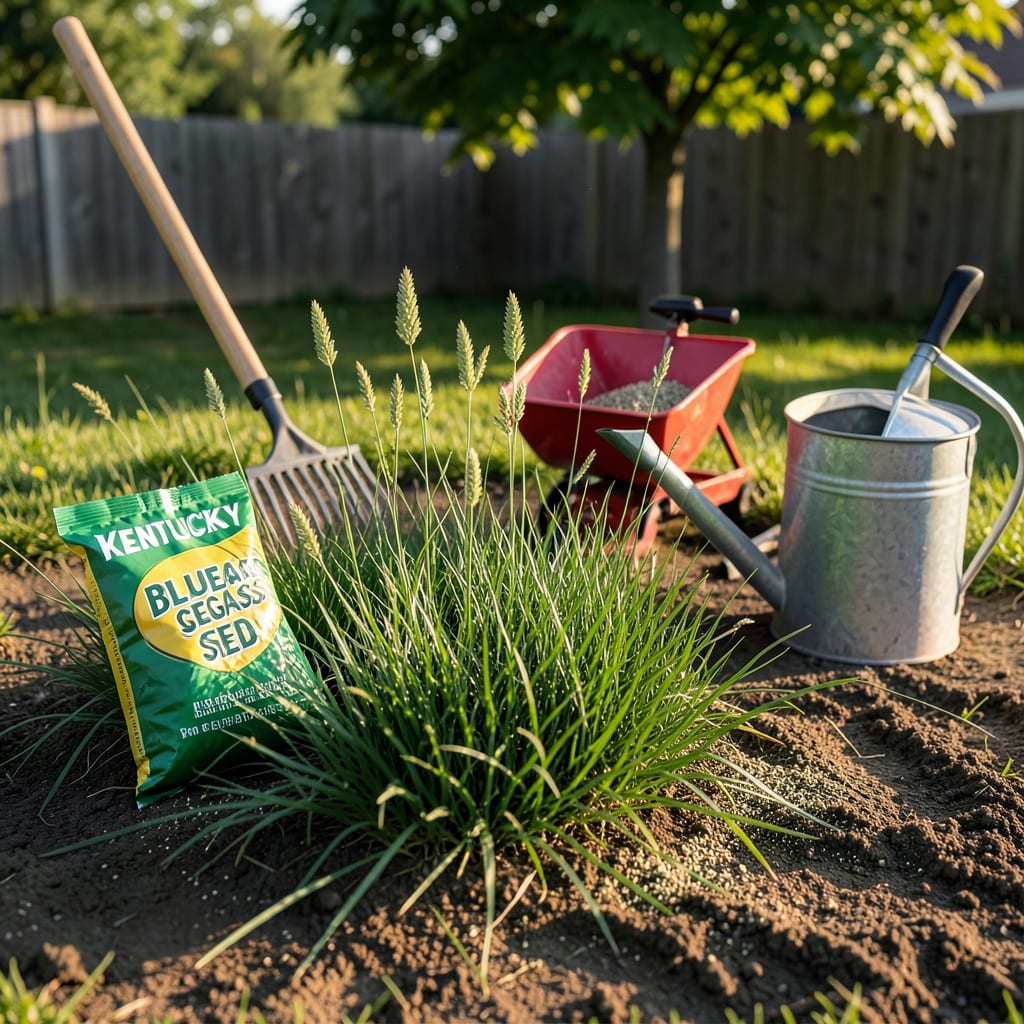
Timing your grass seed planting in Massachusetts can make or break your lawn. Plant too early, and late frosts might wipe out your efforts. Wait too long, and summer heat could fry those tender new sprouts before they even get started.
After years of testing what works in New England’s finicky climate, I’ve nailed down the perfect windows for lush, resilient grass. Whether you’re in coastal Boston or the Berkshires, I’ll show you exactly when to plant for a lawn that thrives—not just survives. Let’s get your timing right.
If you’ve ever wondered why your neighbor’s lawn looks like a golf course green while yours resembles a patchy quilt, timing is likely the culprit. Massachusetts spans USDA zones 5–7, meaning your planting window shifts dramatically from the cooler Berkshires to the milder Cape Cod coast.
For cool-season grasses like Kentucky Bluegrass or Tall Fescue, early fall (late August–mid-September) is the gold standard. Spring planting is possible, but it comes with risks like weed competition and summer heat stress. Let’s break it down by zone.
Pro Tip: Coastal areas can push fall planting 1–2 weeks later due to milder temps. Inland? Stick to the earlier side!
Why does fall reign supreme? Cooler temps mean less evaporation, so seeds stay moist. Soil stays warm enough for 7–21-day germination but not so hot it stresses sprouts. Plus, fewer weeds compete for nutrients compared to spring’s dandelion frenzy.
If you must plant in spring, aim for late March–early May and be ready to battle crabgrass with pre-emergent herbicides. Water daily (light misting) for the first 3 weeks, then taper to deep soaks 2x/week. Spring-planted lawns often need overseeding in fall to fill gaps.
For western MA (Zone 5), frost can sneak in as early as October 1. Plant by September 10 to give roots 4–6 weeks to establish before dormancy. In eastern MA (Zone 7), you’ve got until September 20, but don’t push it—late plantings risk winterkill.
Soil temp matters more than air temp. Use a soil thermometer—ideal range is 50–65°F for germination. Too cold? Seeds rot. Too hot? They dry out. I check UMass Amherst Extension’s soil maps for real-time data before planting.
Coastal lawns face salt spray and sandy soil. Opt for salt-tolerant mixes like Seashore Paspalum or Tall Fescue blends. Inland? Drought-resistant varieties (e.g., Turftype Tall Fescue) handle summer dry spells better.
Here’s my non-negotiable rule: Never plant grass seed within 4 weeks of your first frost date. In Zone 5, that means wrapping up by September 1. Zone 7? You’ve got until September 20, but earlier is always safer.
Still unsure? Grab a $10 soil test kit from your local extension office. If your pH is below 6.0, amend with lime before planting. Too acidic, and seeds struggle to absorb nutrients, no matter how perfect your timing.
Remember: A lush lawn starts with a calendar—and in Massachusetts, that calendar is dictated by frost dates, not just the season. Mark your fall window now, and you’ll be sipping lemonade on a velvety green lawn next summer! 🌱
Even with perfect timing, your Massachusetts lawn can fail if you fall into these traps. I’ve seen patchy grass and bare spots ruin months of effort—usually because of avoidable errors. Let’s tackle the top 5 mistakes that sabotage lawns across the state.
First up: skipping soil prep. If you toss seed onto compacted dirt or weed-choked ground, you’re setting yourself up for failure. Massachusetts soil often needs aeration and compost to loosen up and hold moisture. A simple rake won’t cut it!
Another biggie: misjudging rainfall. Massachusetts weather is unpredictable—coastal fog in Zone 7 vs. dry spells in Zone 5. Don’t rely on rain; use a rain gauge and supplement with sprinklers to keep soil consistently moist.
Coastal lawns face salt damage from winter storms. If you’re near the ocean, rinse soil with fresh water before planting and choose salt-tolerant grasses like Seashore Paspalum. Inland? Focus on drought-resistant mixes to handle summer dry spells.
Here’s a pro tip: Always overseed in fall, even if you planted in spring. Massachusetts’ hot summers and cold winters stress lawns. A light fall overseeding fills thin spots and keeps your lawn thick year-round.
Finally, don’t forget post-planting care. After germination, switch to deep watering 2x/week and apply a starter fertilizer (high in phosphorus) at 4–6 weeks. Skip this, and your lawn may stay weak and patchy.
Avoid these mistakes, and you’ll be on track for a lawn that’s the envy of your Massachusetts neighborhood! 🌿
Choosing the right grass seed for your Massachusetts lawn isn’t just about picking the prettiest bag at the garden center. Our New England climate demands varieties that can handle freezing winters, humid summers, and everything in between. After testing dozens of blends, I’ve narrowed it down to the top performers for our state’s unique conditions.
The secret? Matching grass types to your specific microclimate. Coastal areas need salt-tolerant varieties, while inland regions benefit from drought-resistant mixes. Let’s break down the best options with their key strengths—so you can pick the perfect match for your yard.
For western Massachusetts (Zone 5), where winters are harsher, I lean toward Kentucky Bluegrass blends with 10–15% Fine Fescue for shade tolerance. These mixes handle snow mold and freeze-thaw cycles better than pure Fescue lawns.
Coastal homeowners in Zone 7 should prioritize Seashore Paspalum or salt-tolerant Tall Fescue. These varieties resist salt spray from winter storms and thrive in sandy soil. I’ve seen them bounce back after hurricane-level storms!
If your yard has shady spots under mature trees, Fine Fescue is your best friend. It tolerates low light and acidic soil—common in wooded Massachusetts properties. Mix it with creeping red fescue for a soft, lush look that stays green even in partial shade.
For high-traffic areas (think kids, pets, or frequent entertaining), go for a Tall Fescue/Kentucky Bluegrass blend. These grasses recover quickly from foot traffic and resist disease better than pure Ryegrass lawns. Just be prepared to water more during summer droughts.
Remember: The best grass seed is the one that matches your specific conditions. Test your soil, assess your sunlight, and choose accordingly. With the right variety, you’ll spend less time
Grass seed germinates best when soil temps are between 50–65°F. Use a soil thermometer to check—too cold and seeds rot, too hot and they dry out. In Massachusetts, this typically aligns with late August–mid-September for fall planting.
Yes, but spring planting comes with challenges like weed competition and summer heat stress. If you must, aim for late March–early May and be prepared for extra watering and potential overseeding in fall to fill gaps.
Most cool-season grasses germinate in 7–21 days under ideal conditions. Kentucky Bluegrass may take up to 30 days, while Perennial Ryegrass can sprout in as little as 5–7 days. Keep soil consistently moist during this period.
For Massachusetts coastal lawns, Seashore Paspalum or salt-tolerant Tall Fescue are top choices. These varieties handle salt spray and sandy soil better than other types, making them perfect for Cape Cod and the Islands.
Water lightly daily for the first 2–3 weeks to keep soil moist but not soggy. After germination, switch to deep watering 2x/week. Use a rain gauge to track natural rainfall and adjust your schedule accordingly.
