
Beautiful Plants For Your Interior
Beautiful Plants For Your Interior
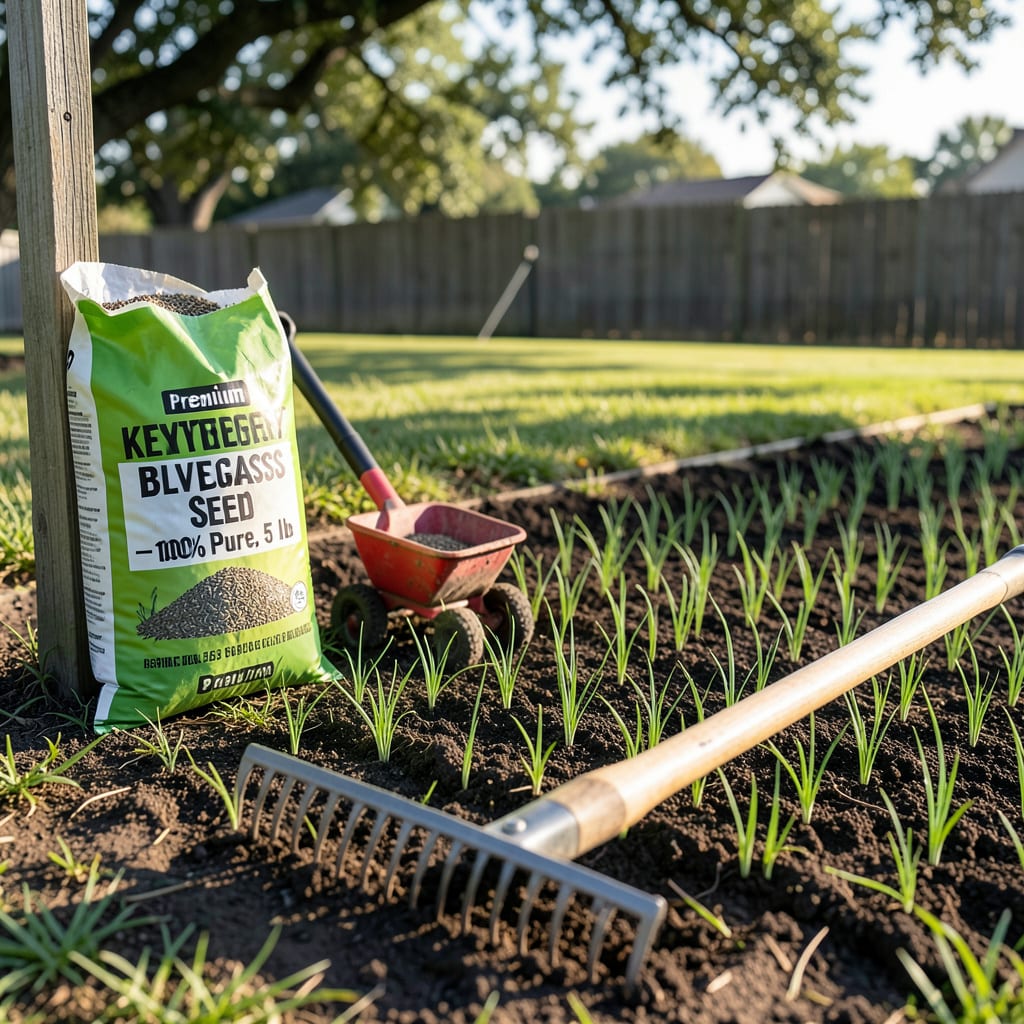
Your fall lawn could be the secret to next spring’s perfect green carpet—but only if you nail the timing. Plant too soon, and summer’s heat might fry those tender seedlings. Wait too long, and frost could stop growth in its tracks.
After years of testing (and a few brown-patch failures), I’ve cracked the code for faster germination and stronger roots. Whether you’re overseeding or starting fresh, these fall planting windows make all the difference. Let’s get your 🌱 grass off to the right start.
Fall isn’t just about pumpkin spice—it’s the golden window for planting grass. The secret? Timing your seeding when soil temperatures hit that sweet spot between 50–65°F. This range triggers germination while giving roots time to establish before winter.
But here’s the catch: your ideal planting date depends on where you live and what grass you’re growing. Cool-season grasses like Kentucky bluegrass or fescue thrive in fall, while warm-season varieties (Bermuda, Zoysia) need a different approach. Let’s break it down by region and type.
| USDA Zone | Best Planting Window | Ideal Grass Types | Soil Temp Range |
|---|---|---|---|
| Zones 3-4 | Aug 15–Sep 15 | Kentucky Bluegrass, Fine Fescue | 50–55°F |
| Zones 5-6 | Sep 1–Oct 1 | Tall Fescue, Perennial Ryegrass | 55–60°F |
| Zones 7-8 | Oct 1–Nov 1 | Tall Fescue, Zoysia (warm-season) | 60–65°F |
| Zones 9-10 | Nov 1–Dec 1 | Bermuda, Centipede (warm-season) | 65°F+ |
*Plant 4-6 weeks before first frost for best results. Check local frost dates!
In northern zones (3-6), I recommend starting earlier—think late August to early September. The soil stays warmer longer, giving roots extra time to establish. For southern zones (7-10), you can push planting into November since winters are milder.
Pro tip: Use a soil thermometer (they’re cheap!) to check temps at 2-inch depth in the morning. If it reads below 50°F, you’ve missed your window. Above 65°F? Wait a week and check again—seeds may struggle with fungal diseases in warm soil.
For cool-season grasses, September is prime time in most regions. These varieties (like fescue or ryegrass) grow actively in cool weather and develop deep roots before winter dormancy. Warm-season grasses in southern areas can be planted later but may need extra water.
Don’t forget the “45-day rule”: Your grass needs about 6 weeks of growth before the first hard frost. In Zone 5, that means wrapping up seeding by October 1. In Zone 7, you’ve got until mid-November. Always check your local frost dates!
If you’re overseeding an existing lawn, aim for the early side of these windows. The new seedlings will compete with established grass for resources. For new lawns, the middle of the window gives you more flexibility with prep work.
Remember: Fall-planted grass develops 20-30% deeper roots than spring-planted turf. That’s why pros swear by autumn seeding! Just avoid planting during a heat wave or when heavy rains are forecasted—both can wash away seeds or cause uneven germination.
Still unsure? Here’s my foolproof test: If nighttime temps consistently stay above 50°F and daytime highs are below 80°F, you’re in the perfect planting zone. Grab your seeds and get started! 🌿
Even with perfect timing, small errors can derail your fall grass planting. I’ve seen patchy lawns and wasted seed from these common mistakes—most of which are easily preventable with the right know-how. Let’s tackle the biggest offenders before they wreck your lawn goals.
The number one issue? Skipping soil prep. You wouldn’t paint over dirty walls, so don’t plant in compacted or weedy soil. A quick soil test (just $15 at your extension office) reveals pH imbalances that could block nutrient uptake. Aim for pH 6.0–7.0 for most grasses.
💡 Pro Tip: Mark your calendar for soil prep 2 weeks before planting—this gives amendments time to work!
Watering mistakes rank second on my list. New grass needs consistent moisture, but many folks either drown seeds or let them dry out. The fix? Water lightly daily for the first two weeks, then shift to deeper, less frequent sessions. Morning watering prevents fungal diseases.
Here’s a mistake I made early on: using cheap seed. Those bargain bins at big-box stores often contain weed seeds and low-germination rates. Spend $5 more per pound for certified, region-specific blends. Trust me, the extra 90%+ germination rate is worth it when you’re not replanting bare spots next year.
Another silent killer? Compacted soil. If your lawn gets heavy foot traffic, rent a core aerator ($60/day) before planting. This creates tiny holes for seeds to nestle into, improving soil contact by 30%. I aerate right before seeding for best results—it’s like giving your grass seeds a cozy bed to germinate in.
Don’t forget about post-planting care. Many DIYers plant seeds then walk away. Your new grass needs gentle mowing (when it reaches 3–4 inches) and a light fertilizer 6 weeks after germination. Avoid heavy foot traffic for 8 weeks—those tender roots need time to establish without disturbance.
Finally, watch the weather! Planting before a heavy rainstorm can wash seeds away, while a late heatwave may dry them out. I always check the 10-day forecast before seeding. If temps will spike above 85°F, wait a week—your seeds will thank you with better germination rates. 🌱
I get asked this constantly: “Is fall really better than spring for planting grass?” After testing both seasons in my own lawn, I can confidently say fall wins for cool-season grasses—but there are exceptions. Let’s compare the two approaches so you can decide what’s best for your turf.
The biggest advantage of fall planting? Cooler temperatures and more consistent moisture. These conditions create the perfect environment for root development without the stress of summer heat. Spring-planted grass often struggles with weed competition and requires more frequent watering as temperatures rise.
💡 Best for warm-season grasses: Spring planting in southern zones (Bermuda, Zoysia).
For cool-season grasses like fescue or bluegrass, fall planting gives you 6-8 weeks of growth before dormancy. That’s crucial for establishing a strong root system. Spring-planted grass often goes dormant during summer heat before roots fully develop, leading to thinner, weaker turf.
However, warm-season grasses (Bermuda, Zoysia, Centipede) actually prefer late spring planting in southern climates. These varieties need warm soil (70°F+) to germinate properly. If you’re in Zone 8-10, spring might be your better option for these grass types.
Water requirements tell another important story. Fall-planted grass typically needs 20-30% less water than spring plantings because of natural rainfall and cooler temps. I’ve measured this in my own lawn—my fall-seeded areas required half the irrigation of spring sections during establishment.
Here’s the bottom line: If you’re growing cool-season grasses in most U.S. regions, fall planting wins hands-down. But for warm-season varieties in southern states, spring may be preferable. Either way, proper timing and care matter more than the season itself. 🌱
Check the temperature at 2-inch depth in the morning. Ideal range is 50–65°F. If it’s warmer, wait a week and recheck. Also test moisture by squeezing a handful—it should hold shape but crumble easily.
Seeds need 45 days of growth before frost hits. Planting too late means weak roots that may not survive winter. In Zone 5, finish by October 1; Zone 7 can go until mid-November. Always check local frost dates!
No—use a starter fertilizer with high phosphorus (like 10-20-10). This promotes root growth over leaf development. Apply at planting, then switch to regular fertilizer after 6 weeks of growth.
Water lightly daily for the first two weeks to keep soil moist. Then shift to deeper sessions 2-3 times weekly. Aim for 1 inch total per week, preferably in the morning to prevent fungus.
For cool-season grasses (Zones 3-7), fall is ideal—less weeds and better root growth. In Zones 8-10 with warm-season grasses, spring planting often works better. Check your grass type and local climate!
