
Beautiful Plants For Your Interior
Beautiful Plants For Your Interior
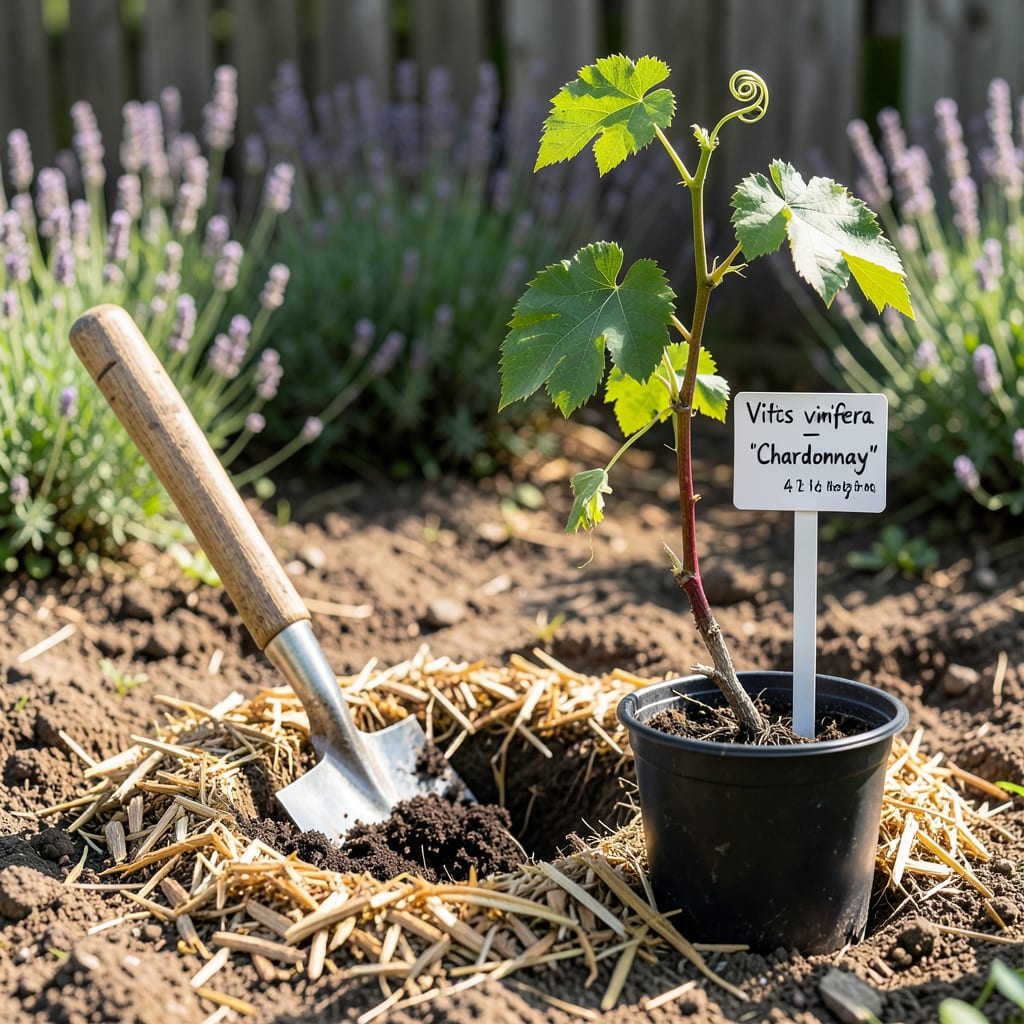
Timing your grape planting in Zone 6 isn’t just about picking a date—it’s about setting up years of bountiful harvests. Plant too early, and a late frost could wipe out your young 🍇 vines. Wait too long, and they’ll struggle to establish roots before winter’s chill.
I’ve seen gardeners make both mistakes, but here’s the good news: with the right timing, you can avoid these pitfalls. Whether you’re leaning toward spring or fall planting, I’ll break down the most reliable windows and what each season means for your vines’ long-term success.
If you’re growing grapes in USDA Zone 6, timing your planting can make or break your vineyard. I’ve found that both spring (April-May) and fall (September-October) work, but each has trade-offs. The key is avoiding late frosts and ensuring roots establish before winter.
In Zone 6, our last frost date is typically around April 15, while the first frost hits near October 15. This gives us about 180 frost-free days—plenty of time for grapes to settle in if planted correctly. Let’s break down the best windows.
| Factor | Spring Planting | Fall Planting |
|---|---|---|
| Best Months | April–May | September–early October |
| Soil Temp | 50°F+ (avoid soggy soil) | 55°F+ (warmer = faster rooting) |
| Frost Risk | Low (post-last frost) | Moderate (plant 6+ weeks before first frost) |
| Root Growth | Slower (energy split with leaves) | Faster (focused on roots before dormancy) |
| Water Needs | High (drying winds) | Moderate (cooler temps) |
| Winter Prep | Mulch heavily first year | Minimal (roots established) |
*Source: Adapted from University of Minnesota Extension and Zone 6 grape growers.
I always lean toward fall planting for grapes in Zone 6. The cooler temps and more consistent rainfall reduce stress on young vines. Plus, roots grow aggressively in autumn to store energy for winter, giving you a head start come spring. Just be sure to plant at least 6 weeks before your first frost.
That said, spring planting isn’t a bad choice—especially for bare-root vines. The key is waiting until soil temps hit 50°F and all frost risk has passed. I’ve seen spring-planted grapes struggle if a late cold snap hits, so keep row covers handy your first year.
For urban gardens or south-facing slopes, you might push planting dates slightly earlier. These microclimates warm up faster in spring and stay warmer in fall. I once planted ‘Concord’ grapes in late March on a sunny hillside—they thrived! But in low-lying areas, stick to the standard windows.
If you’re planting potted grapes, fall is ideal because the root ball is already established. For bare-root vines, spring planting lets you avoid winter heaving. Whichever season you choose, amend your soil with compost and ensure full sun exposure (6+ hours daily).
Pro tip: Check your local frost dates—they can vary by 2+ weeks even within Zone 6. I use the National Gardening Association’s tool to pinpoint mine. And if you’re planting multiple vines, stagger your timing by a week or two to hedge against weather surprises.
Remember, grapes are a long-term investment. A well-timed planting now means stronger vines and bigger harvests for years to come. Whether you choose spring or fall, give your grapes the best start by focusing on soil prep and proper spacing (8–10 feet apart).
Up next, I’ll share my 5 must-do pre-planting steps to ensure your Zone 6 grapevines thrive—from testing your soil to choosing the right trellis system. Trust me, skipping these can cost you years of growth!
🌱
Not all grape varieties thrive in Zone 6’s chilly winters, where temperatures can dip to -10°F (-23°C). After years of testing, I’ve found that cold-hardy hybrids and native American varieties perform best here. They survive frost and resist common diseases like powdery mildew.
If you’re new to grape growing, start with ‘Concord’ or ‘Niagara’—they’re forgiving and productive. For wine lovers, ‘Marquette’ and ‘Frontenac’ deliver bold flavors and withstand Zone 4-7 winters. Let’s dig into the top picks for your climate.
| Variety | Cold Tolerance | Best Use | Disease Resistance |
|---|---|---|---|
| Concord | -15°F (-26°C) | Juice, jelly, fresh eating | High (powdery mildew) |
| Niagara | -10°F (-23°C) | Fresh eating, wine | Moderate |
| Marquette | -20°F (-29°C) | Red wine | Very high |
| Frontenac | -25°F (-32°C) | Red wine, juice | Very high |
| Valiant | -30°F (-34°C) | Fresh eating, juice | High |
| Catawba | -10°F (-23°C) | Wine, fresh eating | Moderate |
*Source: Cornell University Viticulture Program and Zone 6 vineyard trials.
For beginner gardeners, I recommend starting with ‘Concord’ or ‘Niagara’. They’re vigorous growers that tolerate less-than-perfect soil and still produce abundant clusters. If you’re aiming for wine production, ‘Marquette’ is my top pick—it’s disease-resistant and thrives in Zone 6’s climate.
If you love seedless table grapes, try ‘Reliance’ (cold-hardy to -15°F). It’s a red seedless variety that ripens early, avoiding late-season frost risks. For white wine enthusiasts, ‘La Crescent’ offers tropical fruit notes and survives -20°F winters.
Remember, even the hardiest grapes need winter protection their first year. I mound 12 inches of mulch around the base and wrap trunks in burlap to prevent rodent damage. In spring, remove protection once soil temps reach 50°F to avoid rot.
Pair your variety choice with the right trellis system. For vigorous growers like ‘Concord,’ use a high cordonsystem (5–6 feet tall). For compact varieties like ‘Valiant,’ a single-wire trellis at 4 feet works well. Always space vines 8–10 feet apart for airflow and disease prevention.
🍇
Fall planting is often preferred because the cooler temps and consistent rainfall help roots establish without stress. Aim for 6 weeks before first frost (mid-September to early October). Spring works too, but requires careful timing after last frost (April 15) to avoid late cold snaps.
Wait until soil reaches at least 50°F in spring or 55°F in fall. Use a soil thermometer to check 4 inches deep at planting time. Cold soil slows root growth, while overly warm soil can stress young vines.
It’s risky in Zone 6’s hot summers. Potted grapes need extra watering (daily in 90°F+ temps) and shade cloth to prevent heat stress. Fall or early spring are far safer choices for long-term success.
Cover young vines with frost blankets or 5-gallon buckets overnight if temps drop below 32°F. Remove coverings by mid-morning to prevent overheating. Mulch heavily with straw or wood chips to insulate roots.
‘Concord’ and ‘Niagara’ are the quickest to establish, often producing fruit in 2-3 years. For wine grapes, ‘Marquette’ grows vigorously and resists disease. Always choose cold-hardy varieties rated for Zone 4-5 to ensure survival.
