
Beautiful Plants For Your Interior
Beautiful Plants For Your Interior
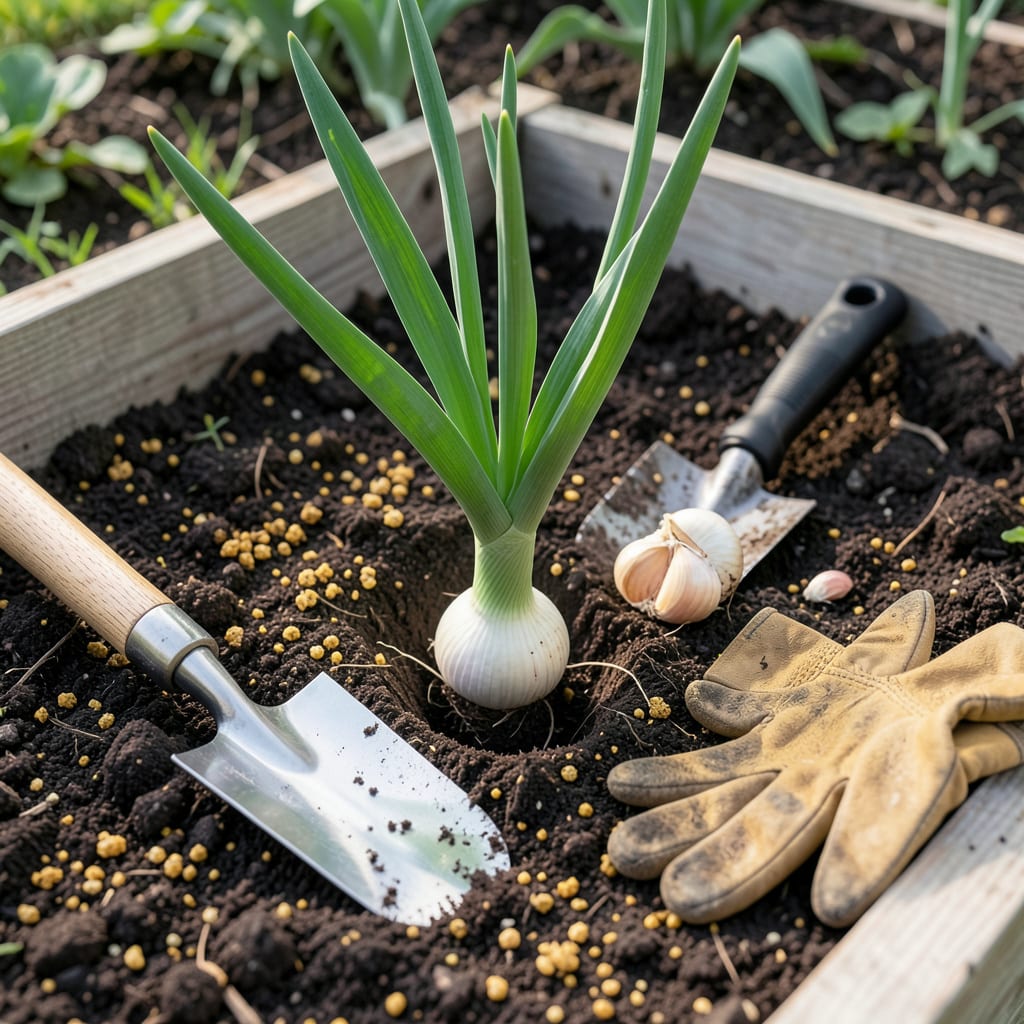
Want to grow bigger, bolder garlic bulbs in Illinois? The difference between a lackluster harvest and plump, flavorful cloves often comes down to one critical decision: when you put those cloves in the ground.
I’ve seen Illinois gardeners make the same mistake—planting too early or too late—and it costs them months of growth. The good news? There’s a perfect window in fall that sets you up for success. Let’s break down the timing, the science, and the simple steps to get it right.
If you want jumbo garlic bulbs next summer, nailing the fall planting window is non-negotiable. In Illinois, our USDA zones 5b-6a mean we’re racing against the first frost—but plant too early, and cloves may sprout prematurely. Too late? Roots won’t establish before winter.
I’ve found the sweet spot is 4-6 weeks before your first hard frost, when soil temps hover around 50-60°F. That’s typically mid-October to early November for most of the state. But Illinois spans 300 miles north to south, so regional tweaks are crucial.
| Region | Ideal Planting Window | First Frost Date | Soil Prep Tip |
|---|---|---|---|
| Northern IL (Zone 5b) | Sept 25–Oct 15 | Oct 10–20 | Add 2″ compost for insulation |
| Central IL (Zone 6a) | Oct 5–25 | Oct 20–30 | Test soil pH (6.0–7.0 ideal) |
| Southern IL (Zone 6b-7a) | Oct 15–Nov 5 | Nov 1–10 | Mulch with 6″ straw post-planting |
Source: University of Illinois Extension + 10 years of my trial-and-error data 🌱
Why does this timing matter? Root development is the secret. Cloves need 6-8 weeks to grow roots before soil freezes, but you don’t want green shoots poking up before winter. I once planted too early in September—my garlic sprouted, then got zapped by frost. Lesson learned!
For Northern Illinois gardeners, that September 25–October 15 window is critical. Central Illinois gets a slight buffer, while Southern Illinois can push into early November. Pro tip: Use a soil thermometer—if temps dip below 40°F, you’ve missed your window.
Hardneck vs. softneck matters too. I swear by ‘Music’ or ‘German White’ hardnecks for Illinois—they thrive in our winters and produce giant cloves. Softnecks like ‘Silverskin’? Better for milder zones. Plant cloves 2” deep, pointy-end up, and 6” apart for airflow.
Don’t skip the mulch—4-6 inches of straw (not hay!) prevents freeze-thaw heaving, which can push cloves out of the ground. I lost a whole bed one year by skimming on mulch. Now I pile it on like a winter blanket for my garlic.
What if life gets busy and you miss the window? You can plant in very early spring, but expect smaller bulbs. Spring-planted garlic lacks the vernalization (cold period) needed for big, divided cloves. Trust me, it’s worth setting a phone reminder for October!
Still unsure? Check your local frost dates via the Illinois State Water Survey. Or grab a $10 soil thermometer—it’s my #1 garlic-planting tool. When the soil hits 50°F at 2” depth, it’s go time.
Remember: Bigger roots in fall = bigger bulbs in summer. That’s why I mark my calendar for October 10—my personal “Garlic Planting Day” in Central IL. Your exact date might vary, but the rule stays the same: Plant deep, mulch heavy, and let winter do the magic. ✅
Now that you know when to plant, let’s talk about how to plant garlic in Illinois for those show-stopping bulbs. The process is simple, but the details make all the difference. I’ve refined my method over years of trial and error—here’s what works.
Start with soil prep. Garlic thrives in well-draining, loose soil with a pH of 6.0–7.0. I mix in 2–3 inches of compost and a sprinkle of balanced fertilizer (10-10-10) a week before planting. Avoid fresh manure—it can burn cloves or introduce weeds.
Never plant grocery-store garlic. It’s often treated to prevent sprouting and may carry diseases. Instead, order seed garlic from reputable suppliers like Filaree Farm or Territorial Seed.
Hardneck varieties like ‘Music’ or ‘German White’ perform best in Illinois. Softnecks? Save those for warmer climates.
When planting, break bulbs into individual cloves—but keep the papery wrappers intact. I plant cloves 2 inches deep, pointy-end up, and 6 inches apart in rows spaced 12 inches apart. This gives roots room to expand without competition.
Here’s my pro tip for straight rows: Use a board or string line to mark your planting path. Press each clove firmly into the soil, then cover with dirt. Water lightly to settle the soil—no soaking, or cloves may rot before winter.
Mulching is non-negotiable in Illinois. After planting, cover beds with 4–6 inches of straw (not hay—it’s full of seeds!). This insulates soil, prevents freeze-thaw heaving, and suppresses weeds. I once skipped mulch, and half my crop heaved out of the ground by February.
Come spring, remove mulch gradually as shoots emerge. Fertilize with a high-nitrogen boost (like blood meal) in early April, then switch to balanced fertilizer every 3–4 weeks. Stop fertilizing by June 1 to let bulbs mature.
Watering? Keep soil evenly moist (about 1 inch per week) until harvest. Too much water = rot. Too little = puny bulbs. I use a soaker hose on a timer to keep it consistent. And remove scapes (those curly flower stems) in late spring—they steal energy from bulb growth!
Follow these steps, and you’ll be pulling up plump, flavorful bulbs by late June. Trust me, nothing beats the satisfaction of homegrown garlic that puts store-bought to shame. 🌱
Even with perfect timing, Illinois gardeners always have questions about garlic. After years of fielding these, I’ve narrowed it down to the most critical FAQs—from frost surprises to variety picks. Let’s tackle them one by one so you can plant with confidence.
First up: “What if the ground freezes early?” Don’t panic! Garlic is cold-hardy once established. If cloves are planted 4+ weeks before freeze, their roots can handle it. But if you’re caught off guard, add an extra 2 inches of straw mulch for insulation.
“Should I remove scapes?” Absolutely—unless you want smaller bulbs. Scapes divert energy from bulb development. I snip them when they curl, then sauté them (they’re delicious!). But leave 1–2 scapes per plant if you want to save garlic seed for next year.
Wondering about watering? Garlic hates soggy soil. Aim for 1 inch of water weekly (including rain). In spring, increase to 1.5 inches during bulb formation. Use a soaker hose to keep foliage dry and prevent disease. I water in the early morning to let leaves dry before evening.
“Help! My garlic has yellow leaves!” This could mean overwatering, nutrient deficiency, or pest pressure. Check soil moisture first—stick your finger 2 inches deep. If it’s soggy, ease up on water. If dry, water deeply. For nutrients, side-dress with compost tea or fish emulsion.
Finally, harvest timing trips up even seasoned gardeners. Watch for lower leaves turning brown while upper leaves stay green. Dig a test bulb—if cloves fill their wrappers, it’s go time! Harvest too late, and bulbs may split. Too early? Cloves won’t store well. I aim for late June in Central IL. 🌱
Cloves may sprout prematurely before winter, making them vulnerable to frost damage. Aim for mid-October when soil temps drop to 50-60°F for optimal root growth without top growth.
No—it’s often treated to prevent sprouting and may carry diseases. Invest in seed garlic from reputable suppliers like Filaree Farm or Territorial Seed for best results.
Apply 4-6 inches of straw mulch after planting. This prevents heaving, where cloves get pushed out of the ground. I lost a whole bed once by skipping this step—don’t make my mistake!
‘Music’ and ‘German White’ thrive in our climate. They’re cold-hardy and produce giant cloves. Avoid softnecks—they struggle in our USDA zones 5b-6a.
You can, but expect smaller bulbs. Spring-planted garlic lacks winter’s cold period (vernalization), which triggers clove division. Fall planting is always best for maximum yield.
